


PH oORP Controller: A Key Instrument for Water Quality Monitoring and Regulation

PH oORP Controller: A Key Instrument for Water Quality Monitoring and Regulation
Mai . 22, 2025
Water quality is an important indicator for measuring environmental health and industrial production. Continuous monitoring and effective regulation of water quality are crucial to ensure drinking water safety, optimize industrial processes, and protect the ecological environment. Among numerous water quality monitoring and regulation devices, pH oORP controllers play a crucial role in accurately measuring and controlling the acidity, alkalinity, and redox potential of water bodies, providing key data and control methods for water quality management.
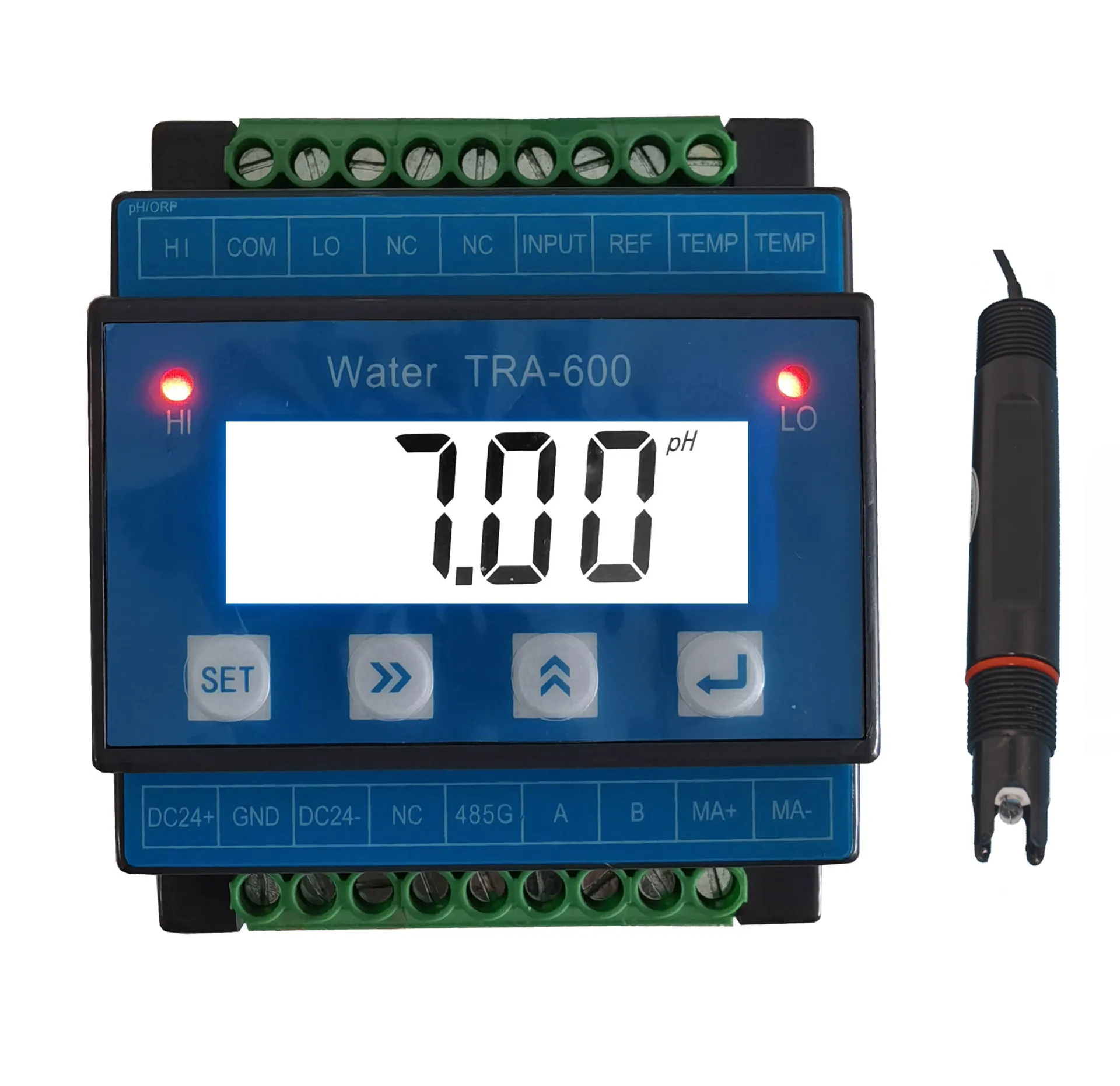
PH oORP Controller: The pH value is an indicator of the acidity and alkalinity of water bodies, which has a significant impact on biological survival, chemical reactions, and industrial production
Excessively high or low pH values can affect the physiological activities of aquatic organisms and even lead to death; It can also interfere with the rate of chemical reactions and the purity of products. Therefore, precise measurement and control of pH value are crucial. The pH and ORP controller typically measures the pH value of water using a pH electrode and compares it with a preset value. When the pH value deviates from the set range, the controller will drive the acid or alkali adding device to automatically adjust the pH value to the target range. This automated control method can significantly improve efficiency and ensure pH stability.
PH oORP Controller: (oxidation-reduction potential) reflects the oxidation-reduction ability of water and is an important indicator for measuring water quality
The higher the ORP value, the stronger the oxidation ability of the water body, and vice versa. The ORP controller plays an important role in the water treatment process, for example, in the disinfection process, the ORP value can reflect the effectiveness of the disinfectant and ensure the disinfection effect. Similarly, in industrial wastewater treatment, ORP values can be used to control the progress of reduction reactions, such as the removal of heavy metal ions. The ORP controller measures the oxidation-reduction potential of the water body through the ORP electrode, and controls the addition of oxidants or reducing agents based on the set upper and lower limits to maintain the ORP value of the water body within an appropriate range.
In addition to the independent PH oORP Controller, there are also integrated controllers on the market that can simultaneously measure and control pH and ORP values
This integrated ORP controller pool can simplify operations, reduce the number of devices, and improve the overall efficiency of the system. Integrated PH oORP controllers have been widely used in aquaculture, wastewater treatment, chemical production, and other fields.
In summary, control orp is a key instrument for water quality monitoring and regulation. They can accurately measure and control the acidity and redox potential of water bodies, providing key data and control methods for water quality management. With the continuous development of technology, PH oORP Controller will move towards greater intelligence, precision, and miniaturization, making greater contributions to water quality protection and environmental sustainability.
PH oOrp Controller FAQs
What does the PH oORP Controller monitor separately? What is the connection?
PH controller: measures the acidity and alkalinity of water (within the range of 014), which directly affects chemical reactions, biological activity, and corrosiveness.
Application example: The pH of the swimming pool should be maintained at 7.27.8 to avoid skin irritation or equipment corrosion.
ORP controller: monitors the oxidation-reduction potential (unit: mV), reflecting the oxidation or reduction ability of water.
Application example: ORP>650mV can ensure the disinfection effect of drinking water (such as ozone or chlorine sterilization).
Correlation: pH value can affect ORP readings (such as a decrease in ORP for the same chlorine concentration when pH increases), and collaborative calibration is required.
Why is it necessary to use a pH oORP Controller for industrial wastewater treatment?
Neutralization reaction: Acidic/alkaline wastewater requires precise dosing (such as lime, sulfuric acid) to pH 69 before discharge.
Redox control:
ORP>+300mV: promotes the oxidation and decomposition of cyanide and heavy metals.
ORP<200mV: Reduces hexavalent chromium to low toxicity trivalent chromium.
Compliance: Environmental regulations (such as EPA) mandate real-time monitoring of pH/ORP and recording of data.
How to calibrate and maintain pH oORP Controller: pH electrode and ORP electrode?
Calibration steps:
PH electrode: Calibrate with standard buffer solutions (such as pH 4.0, 7.0, 10.0), and the slope should be between 95% and 105%.
ORP electrode: Verify with ORP standard solution (such as ZoBell solution at+468mV), with an error of<± 10mV.
Maintenance points:
Regularly clean the electrodes (soak dirt in 0.1M HCl, use gastric protease solution for protein contamination).
Avoid dry storage, the pH electrode should be soaked in KCl preservation solution.
Replace aging electrodes (typically with a lifespan of 12 years).
How to troubleshoot common faults of PH oORP Controller?
Unstable reading:
Check if the liquid interface of the reference electrode is blocked (rinse with deionized water).
Eliminate electromagnetic interference (such as staying away from frequency converters and high-power motors).
Slow response:
Electrode aging or contamination requires cleaning or replacement.
Abnormal temperature compensation (confirm that the temperature probe is working properly).
Calibration failed:
Expired or contaminated buffer solution, use fresh standard solution.
Electrode damage (glass film rupture or reference electrolyte leakage).
What are the advanced features of the intelligent PH oORP Controller?
Automatic dosing control: dynamically adjust the dosage of acid/alkali or oxidant (such as sodium hypochlorite) through PID algorithm.
IoT integration:
Remote monitoring of water quality data, triggering alarms (such as sending SMS notifications when pH exceeds the limit).
Export historical data for compliance reporting or trend analysis.
Multi parameter linkage: linked with residual chlorine and turbidity sensors to optimize water treatment processes (such as swimming pool circulation systems).

Related Products
Related News

2025-08-21 11:30:02
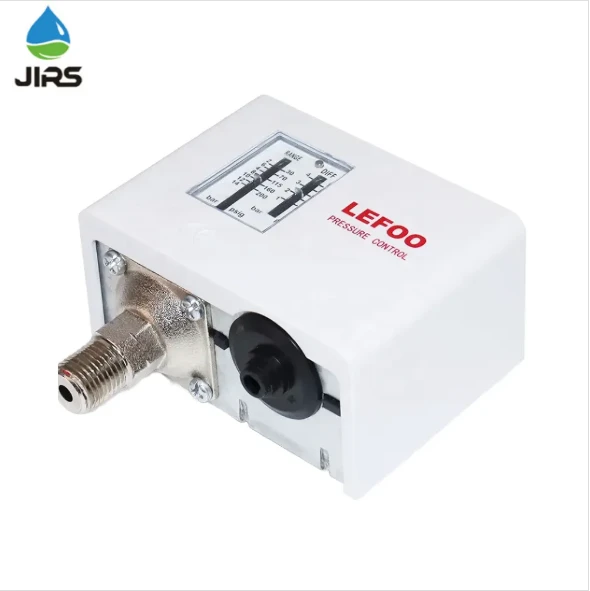
The Importance of a Pressure Switch for RO System SafetyReverse osmosis (RO) systems are critical for ensuring clean, safe water in various settings, and their reliability hinges on robust safety mechanisms.
2025-08-21 11:26:16
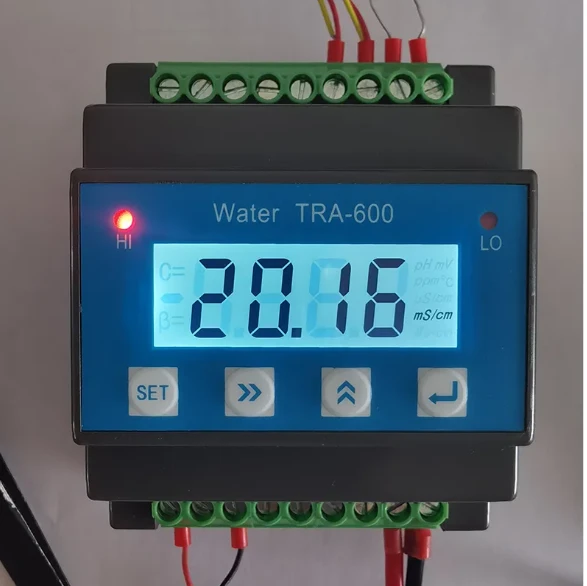
Low Electrical Conductivity Materials for Insulation PurposesIn industries ranging from electronics to power transmission, the demand for reliable insulation materials hinges on their electrical conductivity properties.
2025-08-21 11:23:31
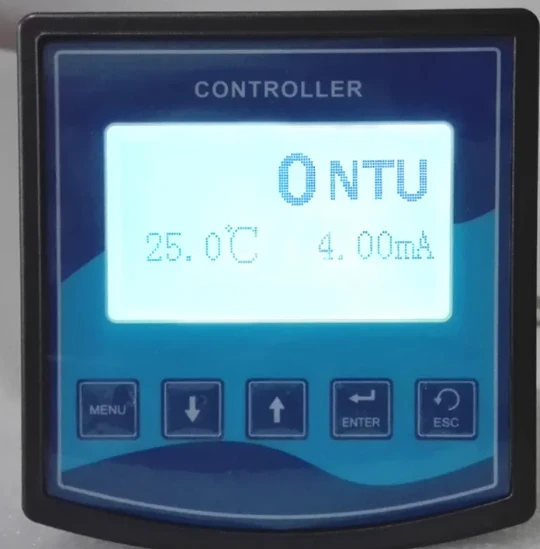
Key Considerations for Selecting Turbidity Testing DevicesIn water quality management, accurate measurement of turbidity—cloudiness caused by suspended particles—is essential across industries.
2025-08-21 11:20:05
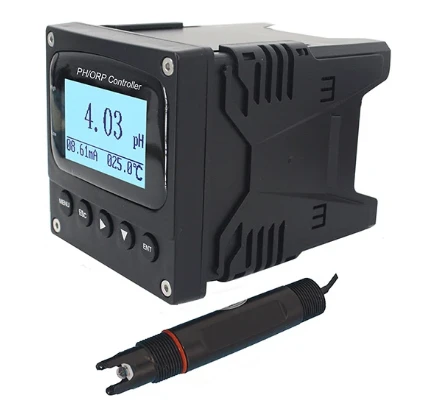
How to Choose the Right ORP Controller for Industrial ApplicationsSelecting the right orp controller for industrial applications requires a deep understanding of specific operational needs, compatibility with existing systems, and reliability in diverse environments.
2025-08-21 11:17:10
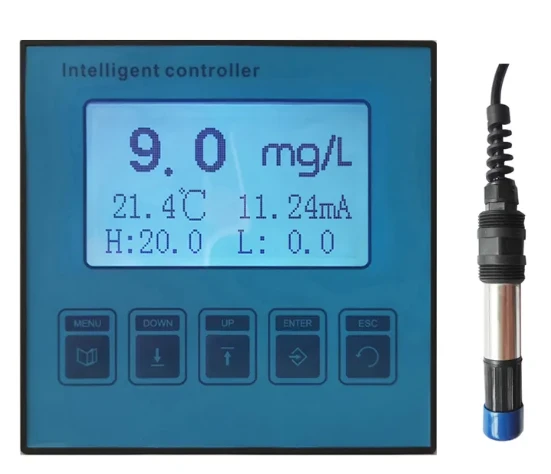
Best Practices for Calibrating an Optical Dissolved Oxygen MeterCalibrating an optical dissolved oxygen meter is a critical step in ensuring accurate measurements of dissolved oxygen levels in water, a parameter vital for industries like aquaculture, environmental monitoring, and water treatment.
2025-08-21 11:13:51
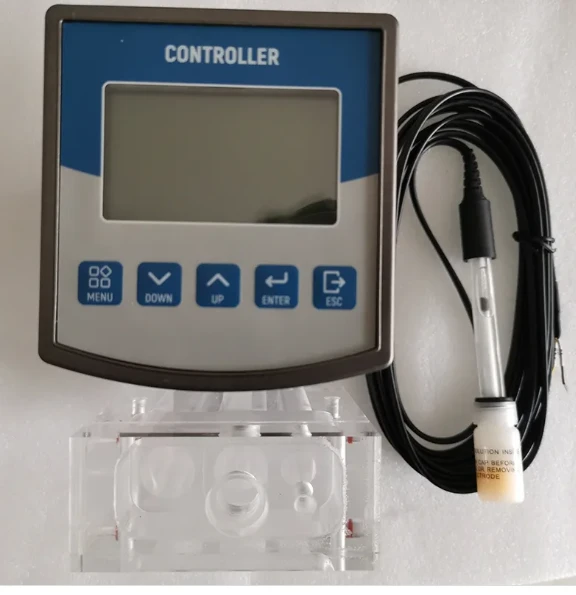
Benefits of Using an Automated Chlorine MonitorIn the realm of water quality management, maintaining precise chlorine levels is paramount for safety and compliance across industries.
2025-08-19 10:13:45
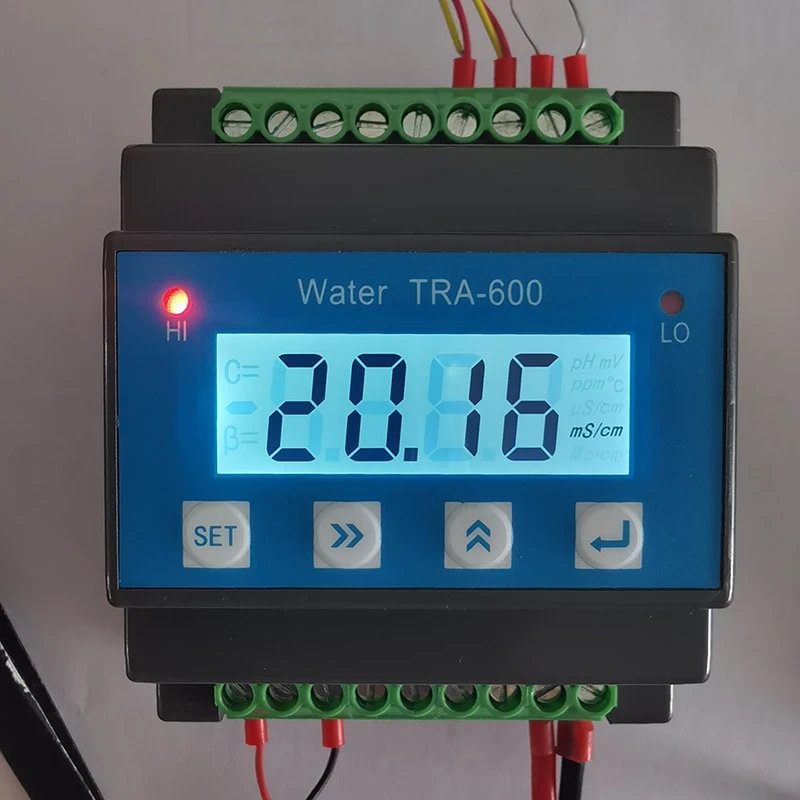
Water Quality: Understanding TDSWhen it comes to water quality, the total suspended solids meter is an essential tool.
2025-08-19 10:11:09
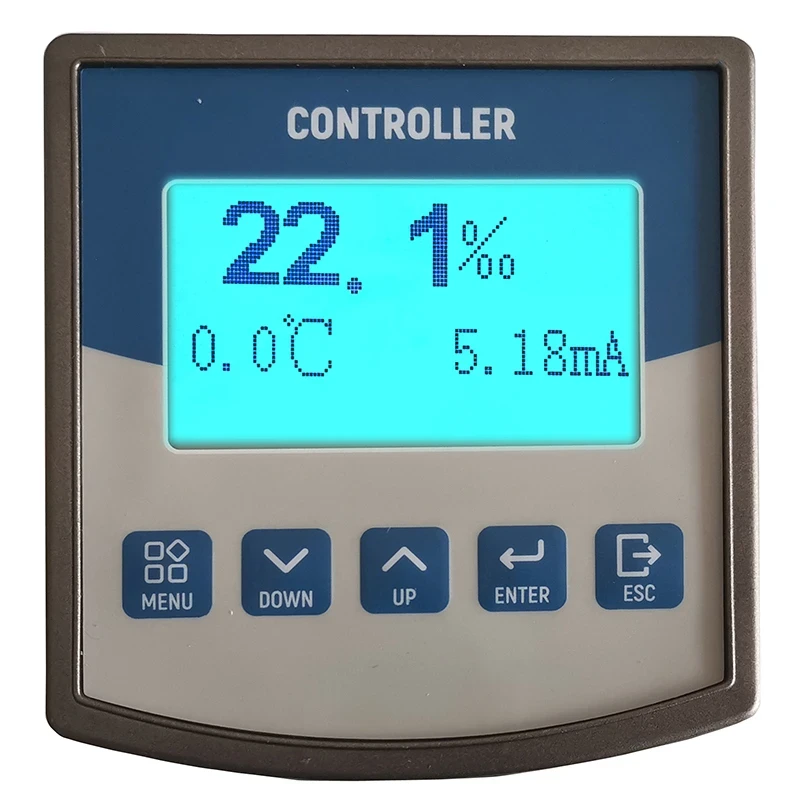
Turbidity Control: Clarity You Can TrustIn the quest for clear and safe water, the turbidity transmitter stands out as a crucial tool.

 Portuguese
  English
  Arabic
  Czech
Czech  French
  German
  Hindi
Hindi  Hungarian
  Indonesian
  Italian
  Japanese
  Korean
  Persian
  Polish
  Romanian
  Russian
  Spanish
  Tagalog
  Thai
Thai  Turkish