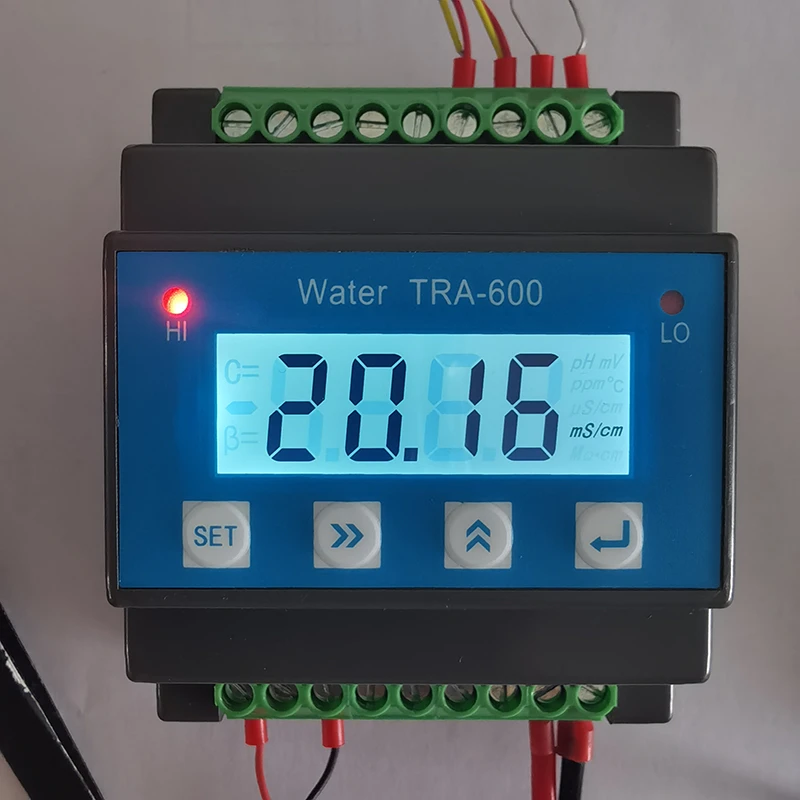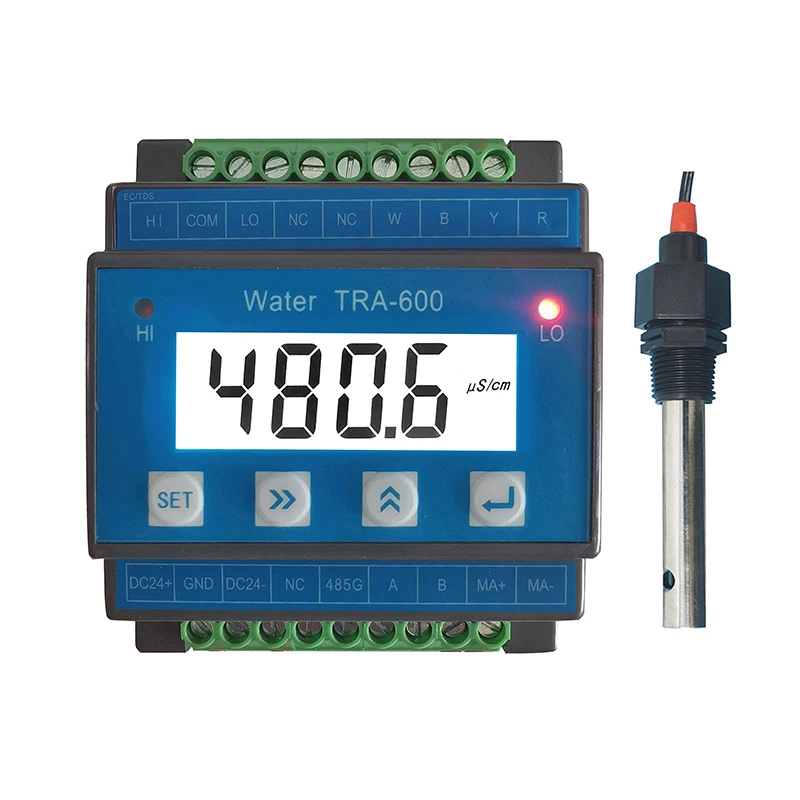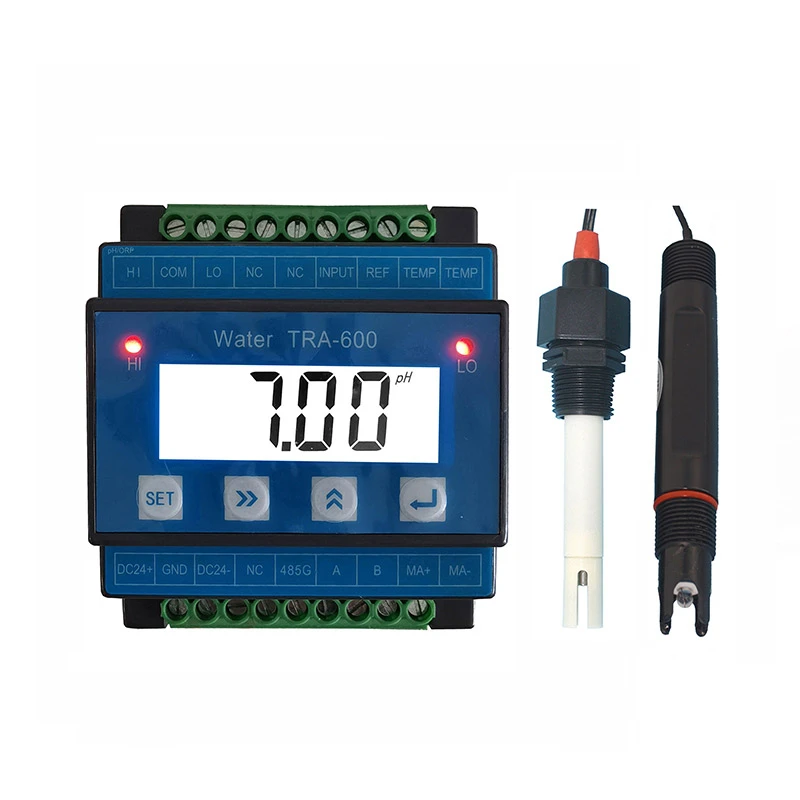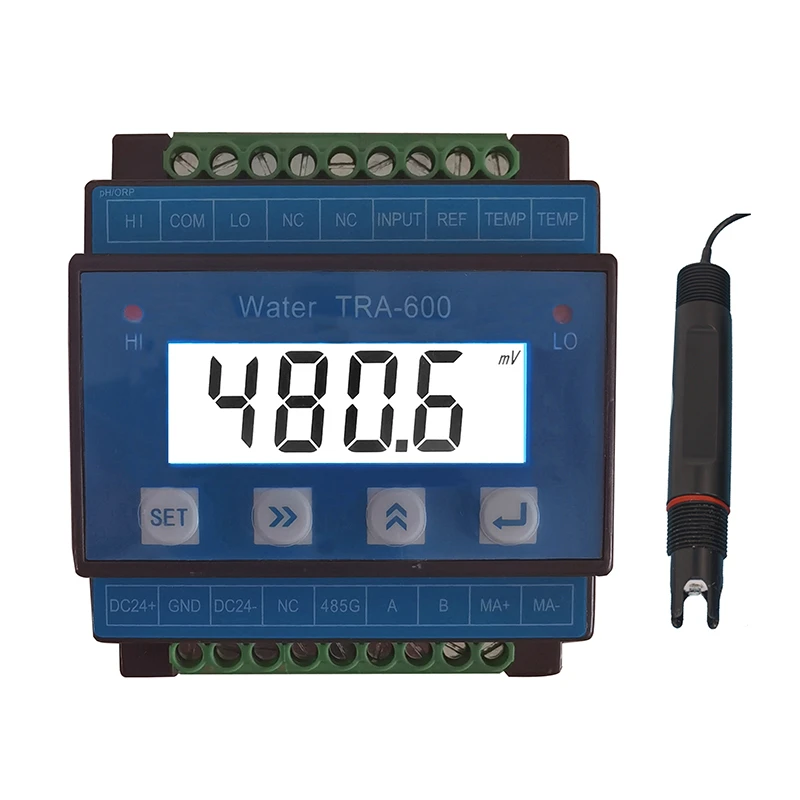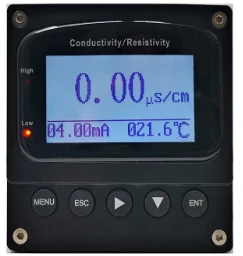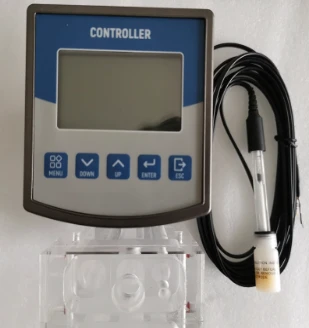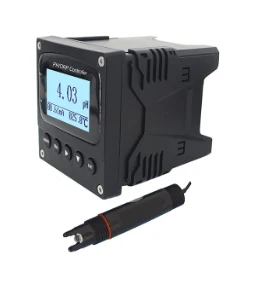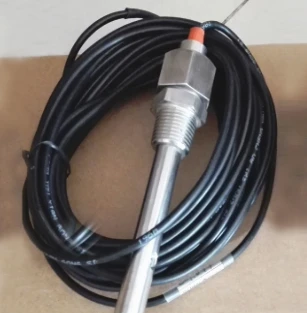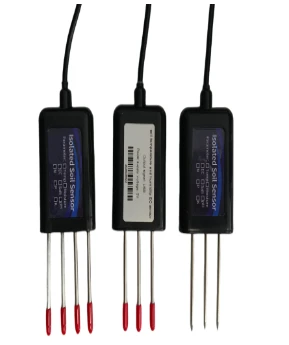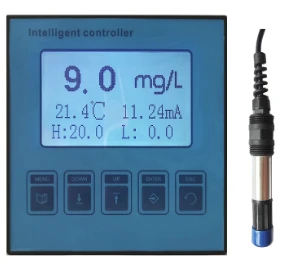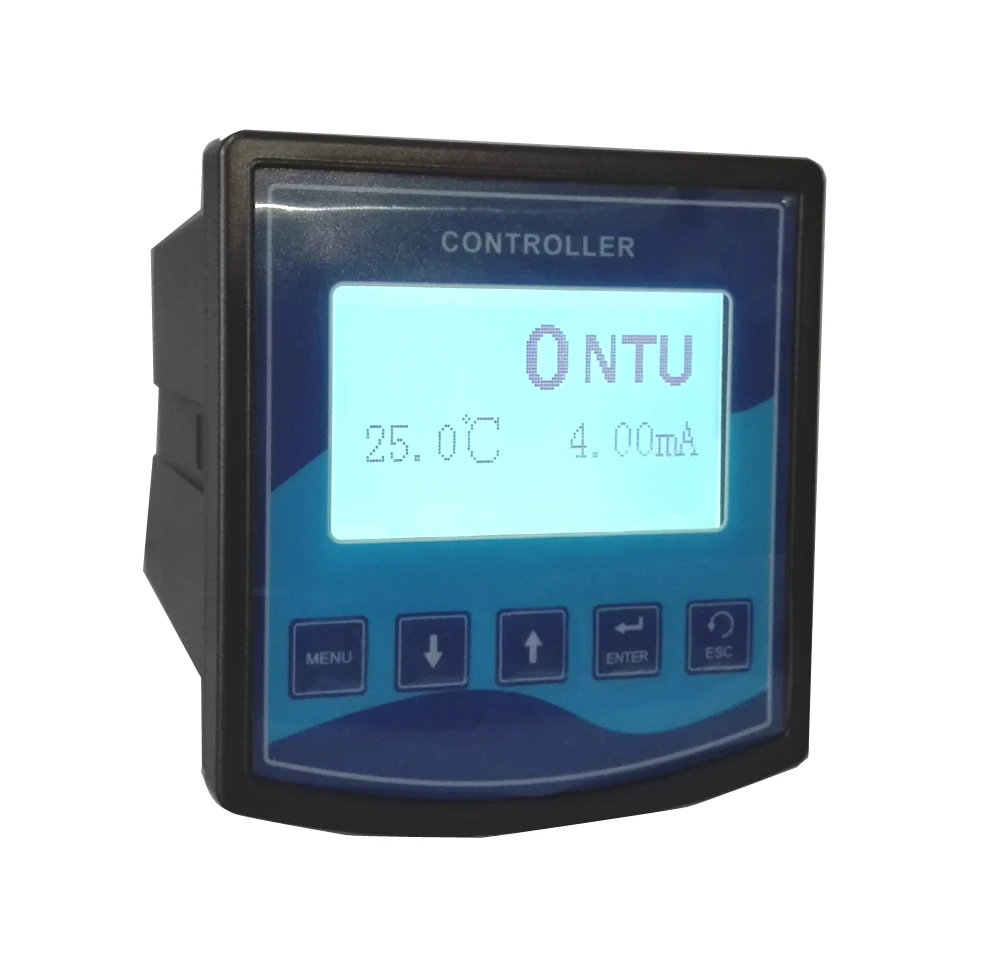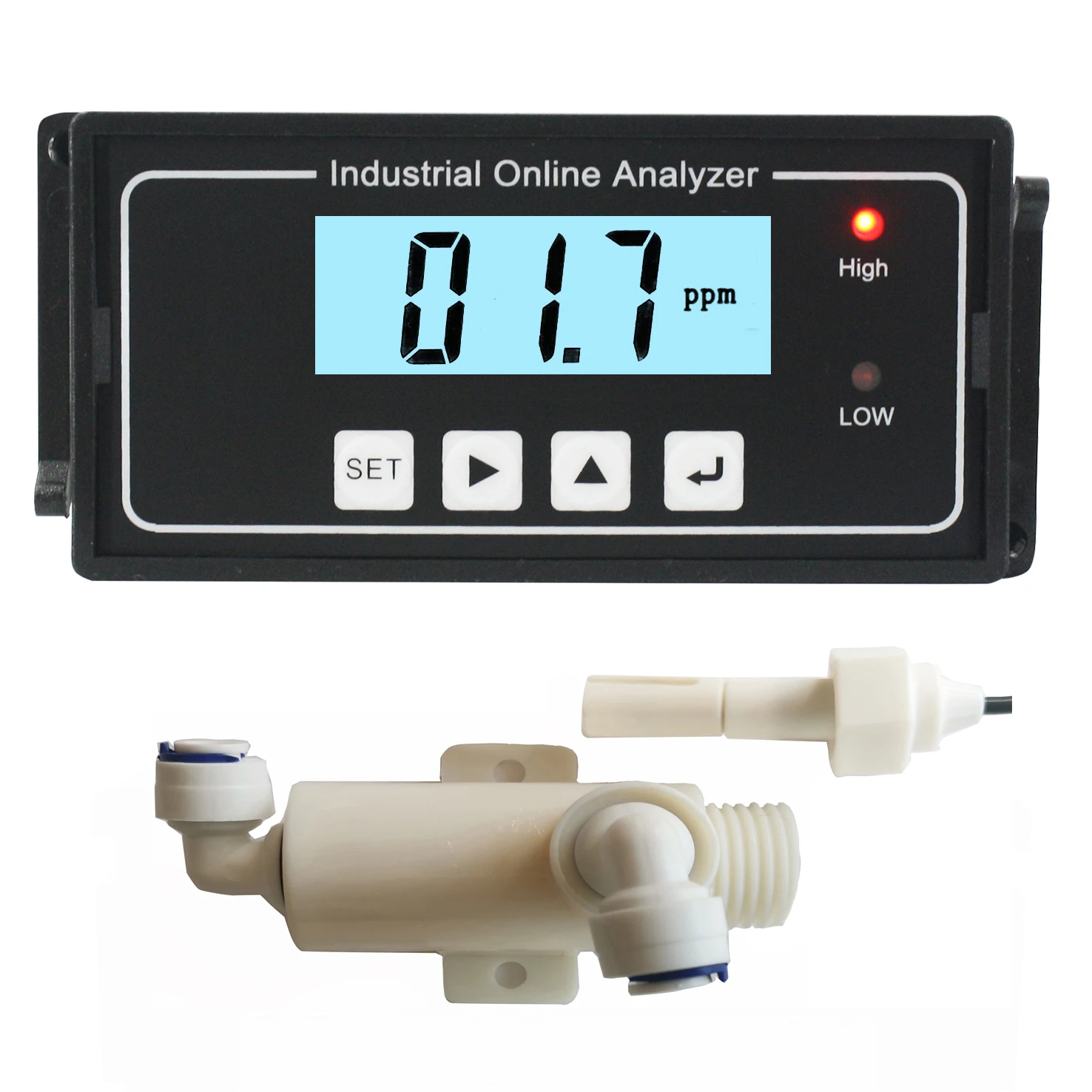

EC/TDS-500/600

این سری از ابزارها ابزارهای صنعتی آنلاین برای اندازه گیری و کنترل هدایت هستند. این به طور گسترده ای برای اندازه گیری و کنترل آب خالص در زمینه های داروسازی، صنایع شیمیایی، صنایع الکترونیک، صنایع غذایی و صنعت نوشیدنی کاربرد دارد.

Product Details

جزئیات محصول

Contact Now

اکنون تماس بگیرید

جزئیات محصول

عملکرد فنی

  EC/TDS-500

EC./TDS-600

حداکثر خروجی کنترل

عایق 4-20mA/RS485 اختیاری است

---


محدوده اندازه گیری 0~200uS/cm□ 2000uS/cm□, 0~20mS□, 0~200mS□ 0~2000ppm□,0~5000ppm□,
حالت نمایش ال سی دی
دقت 1.5٪ (FS)
ثبات ±2×10⁻³ (FS)/24 ساعت
فشار کاری 0 تا 0.5 مگا پاسکال
دمای متوسط 0 تا 50 ℃
جبران دما در نظر گرفتن 25 ℃ به عنوان نقطه مبنا، دمای دیجیتال. جبران خسارت
جریان/ولتاژ خروجی خروجی فعال عایق 4-20 میلی آمپر (≤ 500Ω)
کنترل خروجی حداکثر و حداقل (به طور مداوم باز) خروجی نقطه تماس.
ظرفیت نقاط تماس 3A/AC250V (با بارهای مقاوم)
الکترودهای ارائه شده الکترودهای 1.0cm-1 (0.1cm-1 ثابت اختیاری)
طول کابل 4.5 متر یا در غیر این صورت توافق شده است      m
شرایط محیطی دما: 0 تا 50 درجه سانتیگراد
رطوبت ≤85% RH
منبع تغذیه AC 220V±10% 50/60Hz □ AC 110V±10% 50/60Hz □
ابعاد خارجی 48×96×100 میلی‌متر (ارتفاع×عرض×عمق)
سوراخ روی صفحه شماره گیری 45×91 میلی متر
نحوه نصب با دیسک نصب کنید

نصب و راه اندازی

EC/TDS-500/600


  • • 1. ترمینال سفید الکترود را اندازه بگیرید
  • • 2. ترمینال سیاه رنگ الکترود را اندازه گیری کنید
  • • 3. پایانه زرد الکترود را اندازه گیری کنید
  • • 4. ترمینال قرمز الکترود را اندازه گیری کنید
  • • 5. ترمینال مثبت 4-20mA
  • • 6. ترمینال منفی 4-20mA
  • • 7. ترمینال دائماً باز رله کنترل حداقل
  • • 8. ترمینال عمومی رله کنترل
  • • 9. ترمینال دائماً باز رله کنترل حداکثر
  • • 10. ورودی برق
  • • 11. سیم زمین تجهیزات
  • • 12. ورودی برق

عملیات ابزار

4.1 عملکرد کلید نرم

کلید نرم

عملکرد کلید

شرح عملکرد

EC/TDS-500/600

کلید منو

در بخش وضعیت اندازه‌گیری، پارامتر مربوط به «تنظیم منو» را بررسی یا خارج کنید

EC/TDS-500/600

کلید شیفت سمت راست

Shift راست برای انتخاب رقم پارامتر،

EC/TDS-500/600

کلید شیفت پایین

تغییر به سمت پایین برای مرور منو؛

مقدار دیجیتال پارامتر انتخاب شده و تغییر پارامتر را تغییر دهید

EC/TDS-500/600

کلید تایید

برای بررسی مقدار دما در رابط اصلی، انتخاب کنید و وارد منو و پارامتر ذخیره شوید

4.2 صفحه نمایش رابط اصلی مردان

زیر رابط اصلی، فشار دهیدEC/TDS-500/600 "کلید رابط منو، توضیحات مفصل به شرح زیر است:

خیر

منو

محتوای منو

1

Un-T

واحد اندازه گیری: ppm /uS به نمایش تبدیل می شود

2

CON

ورودی ثابت الکترود        

3

H--C

مقدار بسته حد بالا رله

4

HO--

مقدار باز بودن حد بالا رله

5

LC--

مقدار بسته شدن حد پایین رله

6

LO--

مقدار باز بودن حد پایین رله

7

dE--

تاخیر x زنگ دوم

8

4--الف

مقدار رسانایی متناظر 4 میلی آمپر

9

20-A

مقدار هدایت 20 میلی آمپر مربوطه

10

اضافه کردن--

آدرس RS485

11

بد

نرخ باود RS485

12

CAL-

منوی کالیبراسیون EC

13

FAC-

تنظیمات کارخانه

نصب و راه اندازی الکترودهای اندازه گیری

برای اینکه الکترودها رسانایی صحیح را در خط لوله اندازه گیری کنند، مطمئن شوید که از نادرستی داده ها ناشی از لامپ های هوا یا پساب در سلول رسانایی جلوگیری کنید. لطفاً مطابق نمودار زیر نصب کنید:

EC/TDS-500/600

روش نصب خط لوله


EC/TDS-500/600


توجه:

(1) الکترودها باید در جایی نصب شوند که موقعیت نسبتاً پایین باشد، سرعت جریان ثابت باشد و لامپ های هوا به ندرت کنار هم جمع شوند.

(2) مهم نیست که به صورت افقی یا عمودی نصب شده باشد، سلول هدایت باید در عمق آب در حال حرکت غوطه ور شود.

(3) کابل اندازه گیری برای سیگنال های اندازه گیری که سیگنال های الکتریکی ضعیف هستند باید به طور جداگانه سیم کشی شود و نباید در یک گروه سیم با سیم برق و سیم کنترل وصل شود تا از تداخل جلوگیری شود.

(4) اگر به کابل اندازه گیری طولانی تری نیاز دارید، لطفاً برای تهیه آن با سازنده تماس بگیرید.

تعمیر و نگهداری

6.1 الکترودهای اندازه گیری الکترودهای دقیقی هستند. شما نباید آنها را از بین ببرید یا شکل یا اندازه آنها را تغییر دهید، یا آنها را با اسید قوی یا قلیایی قوی تمیز کنید، زیرا چنین عملیاتی ممکن است ثابت های الکترودها را تغییر دهد و بر دقت اندازه گیری تأثیر بگذارد.

6.2 کابل های اندازه گیری کابل های خاصی هستند و نباید به میل خود تعویض شوند.

6.3 دستگاه باید در محیط خشک یا جعبه کنترل نصب شود تا از آن در برابر پاشیدن قطرات آب یا رطوبت محافظت شود و از اندازه گیری نادرست جلوگیری شود.

ابزار به عنوان یک مجموعه کامل

کنترل کننده هدایت/TDS 1 عدد
سنسور هدایت/TDS (1.0cm-1) 1 عدد
گیره ثابت 1 جفت
راهنمای عملیات 1 کپی


تماس بگیرید

اگر به محصولات ما علاقه مند هستید، می توانید اطلاعات خود را در اینجا بگذارید و ما به زودی با شما تماس خواهیم گرفت.

* نام

* ایمیل

تلفن

*پیام

سوالات متداول

سوالات متداول (پرسش متداول) درباره EC/TDS-500/600

EC/TDS - 500/600 چیست و در چه سناریوهایی استفاده می شود؟

Down Down

این یک کنترل کننده رسانایی آنلاین/کل مواد جامد محلول است که در سناریوهایی مانند نظارت بر کیفیت آب استفاده می شود.

چگونه کنترلر آنلاین EC/TDS - 500/600 را نصب کنم؟

Down Down

یک مکان مناسب را انتخاب کنید، پروب را نصب کنید، خط را وصل کنید و اشکال زدایی کنید.

چگونه کنترلر EC/TDS - 500/600 خود را نگهداری و کالیبره کنم؟

Down Down

به طور منظم کالیبره کنید، پروب را تمیز کنید و بررسی کنید که آیا مدار عادی است یا خیر.

EC/TDS - 500/600 چرا اندازه گیری دقیق نیست؟

Down Down

خرابی پروب، خطای کالیبراسیون، تداخل عوامل محیطی.
TRA-600--EC-mS.webp                  


محصولات مرتبط

اخبار مرتبط

right
right
Comprehensive Guide to Understanding Air Sample Analysis and Monitoring Techniques

Mar.10,2026

Comprehensive Guide to Understanding Air Sample Analysis and Monitoring Techniques

In numerous industries, maintaining air quality is paramount for safety, compliance, and process control. Air sample analysis plays a crucial role in identifying airborne contaminants, assessing exposure levels, and ensuring a healthy working environment. This article will delve into the significance of air sample analysis, common methods, applications across various sectors, and the importance of selecting the right equipment. Protecting your workforce and maintaining operational efficiency begins with understanding the air they breathe. Air sample analysis is fundamental for a variety of reasons. Firstly, it safeguards worker health by identifying hazardous substances such as dust, fumes, gases, and biological contaminants. Secondly, it ensures compliance with stringent regulatory standards set by organizations like OSHA (Occupational Safety and Health Administration) and EPA (Environmental Protection Agency).

Comprehensive Guide to Understanding and Utilizing Air Quality Samplers

Mar.09,2026

Comprehensive Guide to Understanding and Utilizing Air Quality Samplers

Maintaining optimal air quality is crucial for both human health and environmental protection. Air quality samplers play a vital role in monitoring and assessing the levels of pollutants in various environments. This article will provide a detailed overview of air quality samplers, their types, applications, and the importance of accurate air quality monitoring. We'll explore how these devices contribute to safeguarding our well-being and protecting the environment. Choosing the right sampler is essential for obtaining reliable data and making informed decisions. An air quality sampler is a device used to collect air samples for analysis. These samples can be analyzed to determine the concentration of various pollutants, including particulate matter (PM2.5 and PM10), volatile organic compounds (VOCs), gases like ozone and nitrogen dioxide, and biological contaminants. The data collected from these samplers helps assess air quality standards and identify potential health risks. Air quality samplers are used across diverse sectors, from industrial hygiene to environmental monitoring. Accurate data collection for informed decision-making regarding air quality management and public health.

Understanding and Utilizing Automatic Stormwater Samplers for Effective Water Quality Monitoring

Mar.08,2026

Understanding and Utilizing Automatic Stormwater Samplers for Effective Water Quality Monitoring

Effective stormwater management is crucial for protecting our waterways and complying with environmental regulations. A key component of this process is accurate and reliable stormwater sampling. Automatic stormwater samplers, offered by Water Equipment, are designed to collect representative samples of stormwater runoff, enabling precise analysis of pollutants. This article will explore the importance of these samplers, their various types, key features, applications, and how to choose the right one for your specific needs. Investing in a quality automatic stormwater sampler ensures accurate data collection and informed decision-making for environmental compliance. Manual stormwater sampling is time-consuming, labor-intensive, and prone to inconsistencies. Automatic samplers eliminate these drawbacks, providing a consistent and representative sample collection process. They are essential for meeting regulatory requirements, identifying pollution sources, and evaluating the effectiveness of stormwater management practices.

Comprehensive Guide to Auto Water Samplers for Accurate Water Quality Monitoring

Mar.07,2026

Comprehensive Guide to Auto Water Samplers for Accurate Water Quality Monitoring

In environmental monitoring, water quality analysis, and industrial processes, obtaining representative water samples is critical. Auto water samplers provide a reliable and efficient solution for collecting water samples automatically, reducing the need for manual intervention and minimizing the risk of contamination. This article will delve into the features, benefits, applications, and key considerations when selecting an auto water sampler. Whether you're involved in wastewater treatment, stormwater runoff monitoring, or scientific research, understanding these devices is essential. An auto water sampler, also known as an automatic water sampler, is a device designed to collect water samples at predetermined intervals or based on specific triggers, such as flow rate or water level. These samplers typically consist of a pump, a sample collection container (usually bottles), a control panel, and often, a flow meter or sensor. The control panel allows users to program sampling schedules, volume per sample, and other parameters.

Choosing the Right Portable Water Sampler for Accurate Environmental Analysis

Mar.06,2026

Choosing the Right Portable Water Sampler for Accurate Environmental Analysis

In environmental monitoring, research, and quality control, obtaining representative water samples is crucial for accurate analysis. A portable water sampler allows for convenient and reliable sample collection in the field, eliminating the need for on-site laboratories. This article will explore the benefits of using a portable water sampler, the factors to consider when choosing one, and the applications where they prove invaluable. Understanding your specific needs is the first step to selecting the ideal sampler for your operations. Traditional water sampling methods can be time-consuming and prone to contamination. A portable water sampler offers several advantages. It enables sampling from remote locations, minimizes sample degradation by reducing transit time, and provides greater control over the sampling process.

Comprehensive Guide to Portable Automatic Water Samplers for Accurate Data Collection

Mar.05,2026

Comprehensive Guide to Portable Automatic Water Samplers for Accurate Data Collection

In environmental monitoring and water quality analysis, accurate and reliable data collection is paramount. Portable automatic water samplers provide a crucial solution for collecting representative water samples at pre-programmed intervals, eliminating the need for constant manual intervention. This article delves into the features, benefits, applications, and key considerations when choosing a portable automatic water sampler. Whether you're monitoring wastewater discharge, assessing river pollution, or conducting research, selecting the right sampler is vital for obtaining dependable results. Automatic water samplers offer numerous advantages over traditional manual sampling methods. They provide consistent and representative samples, reducing the potential for human error and bias. The ability to program sampling schedules allows for capturing time-varying events, such as peak pollutant loads or diurnal fluctuations.

Comprehensive Guide to Water Depth Samplers and Their Applications

Mar.04,2026

Comprehensive Guide to Water Depth Samplers and Their Applications

Accurate water quality monitoring is crucial in various fields, from environmental science and aquaculture to industrial wastewater management. A key tool for this is the water depth sampler. This article provides an in-depth look at water depth samplers, their applications, types, and essential considerations for choosing the right one for your needs. We'll explore the benefits of utilizing this equipment to collect reliable data for analysis and informed decision-making. Selecting the right sampler can significantly improve the precision and efficiency of your water monitoring program. A water depth sampler, also known as a depth-integrated sampler, is a device designed to collect water samples from specific depths within a body of water. Unlike simply dipping a container into the water, a depth sampler allows for collection of a representative sample across a defined depth range. This is critical because water properties (temperature, salinity, pollutants) often vary significantly with depth. The data gathered with a water depth sampler provides a more accurate assessment of water quality than surface samples alone.

Comprehensive Guide to Horizontal Water Sampler Applications and Selection

Mar.03,2026

Comprehensive Guide to Horizontal Water Sampler Applications and Selection

Collecting water samples at varying depths is crucial for environmental monitoring, research, and quality control. The horizontal water sampler from Watequipment.com offers a precise and efficient solution for this task. This article provides an in-depth look at horizontal water samplers, their applications, benefits, and key considerations when choosing the right model. We will explore how these samplers contribute to accurate data collection and informed decision-making in various fields. A horizontal water sampler is a device designed to collect water samples from specific depths within a body of water – rivers, lakes, oceans, reservoirs, and even wastewater treatment plants. Unlike vertical samplers which primarily focus on depth, horizontal samplers prioritize collecting samples at a consistent depth while moving along a horizontal plane. This is essential for assessing water quality variations across a waterway or within a specific zone. They are used in applications ranging from environmental monitoring and scientific research to industrial process control and regulatory compliance.

اگر به محصولات ما علاقه مند هستید، می توانید اطلاعات خود را در اینجا بگذارید و ما به زودی با شما تماس خواهیم گرفت.


fa_IRPersian