PH-TRA-600

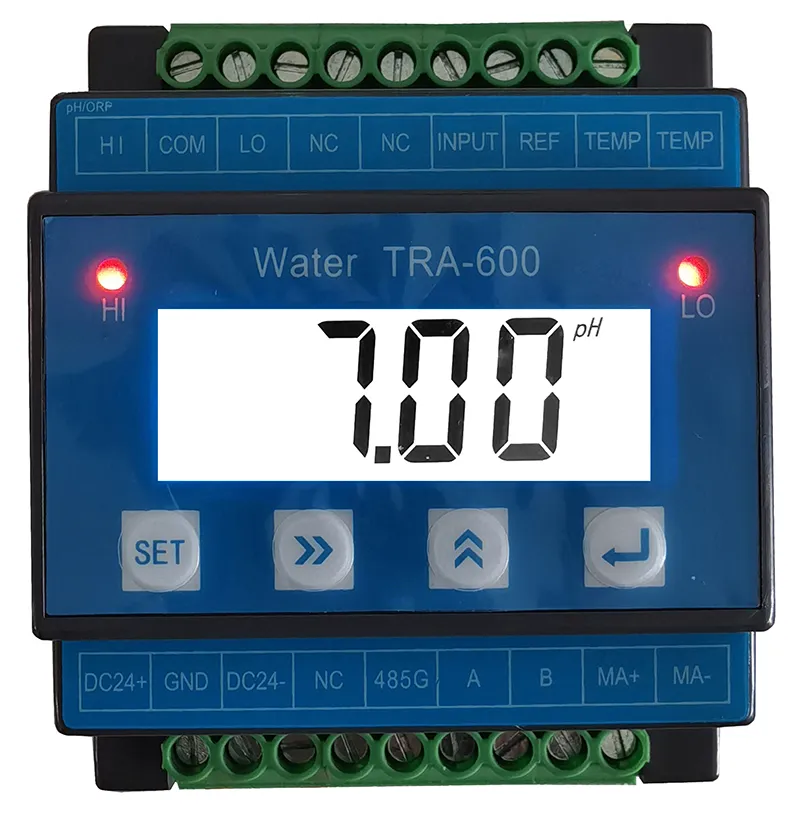
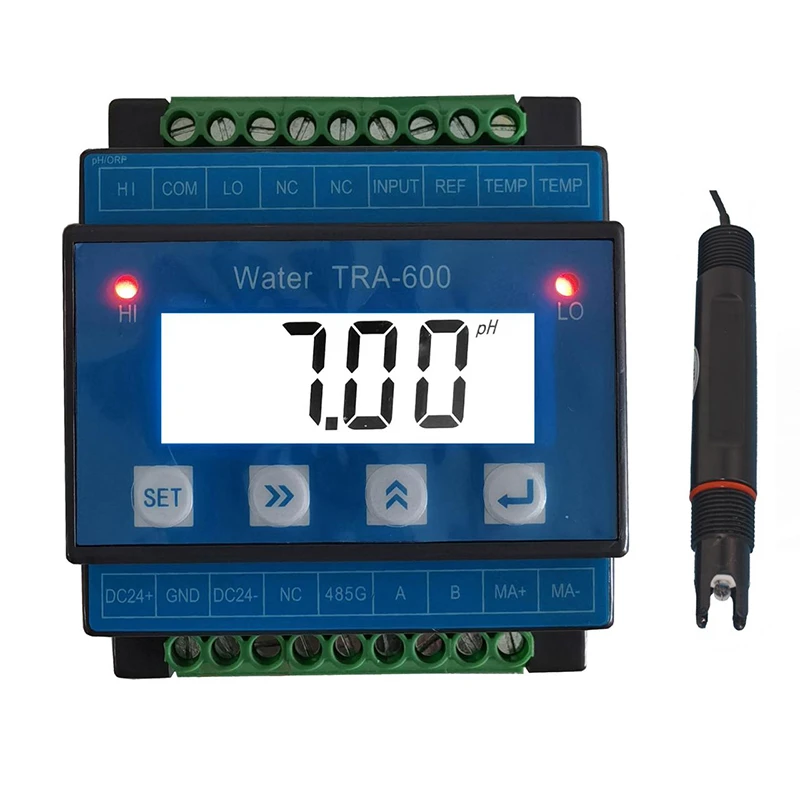
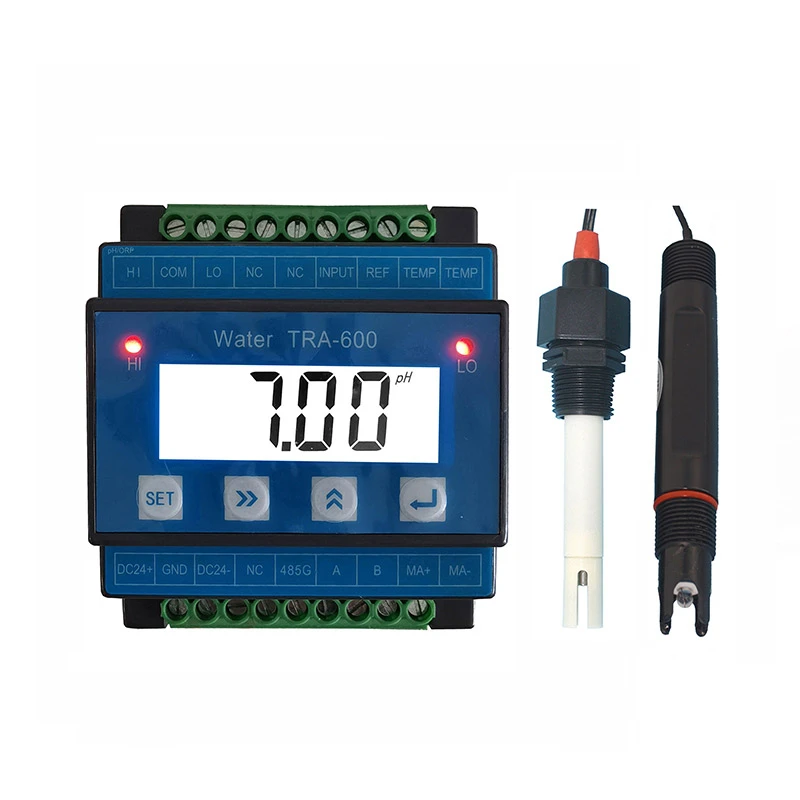
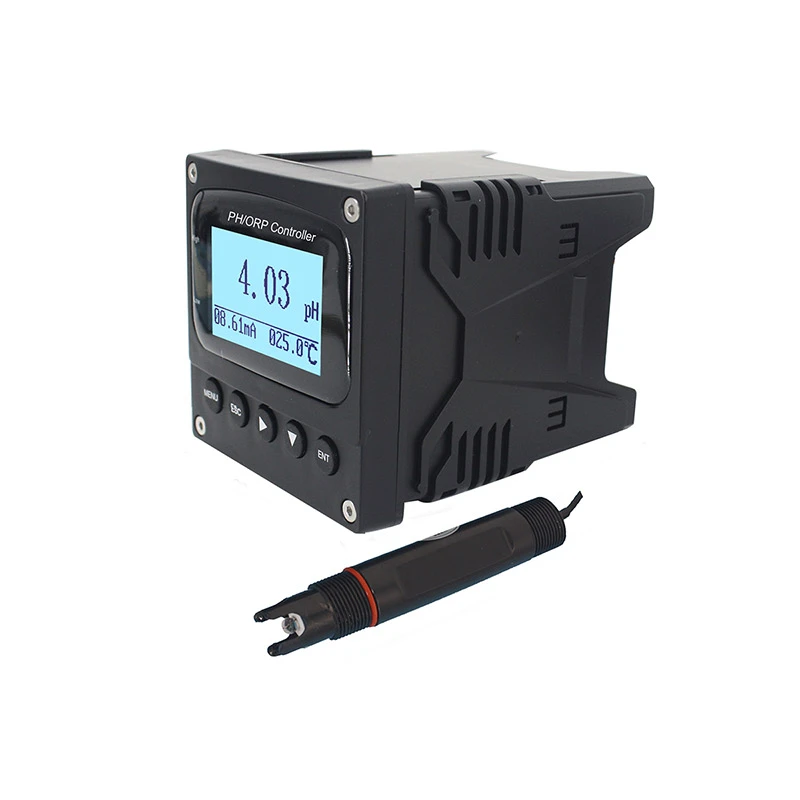
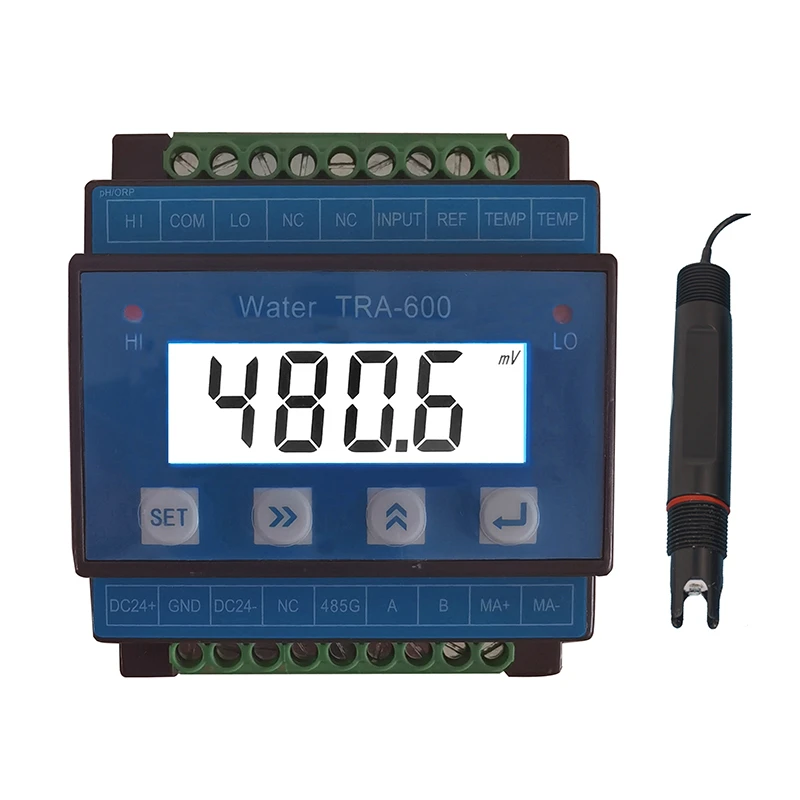
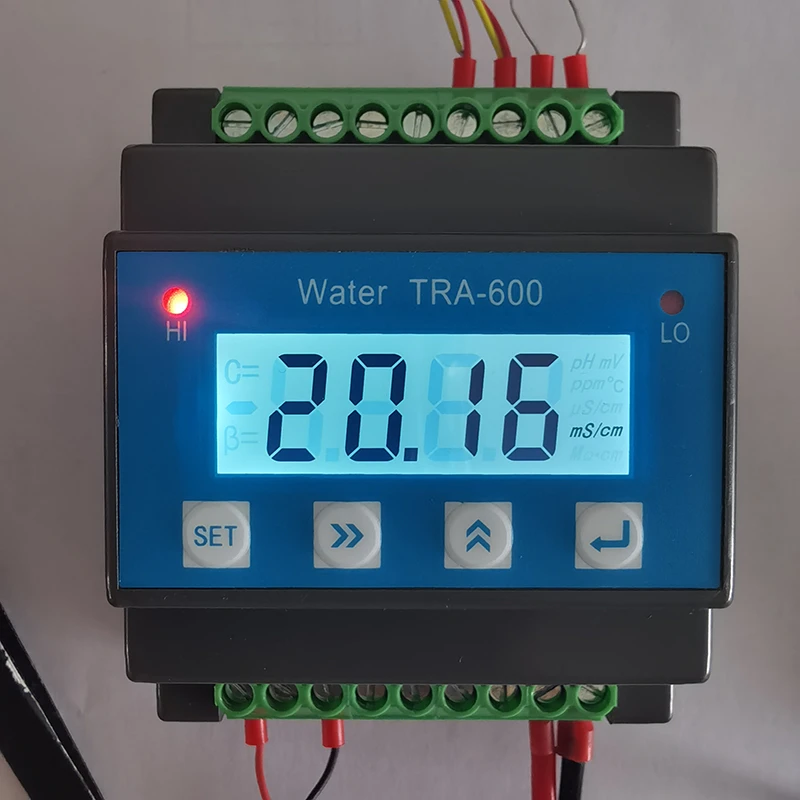
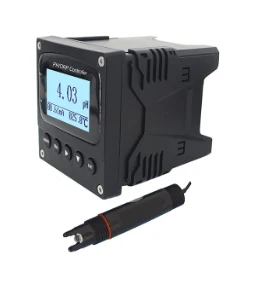
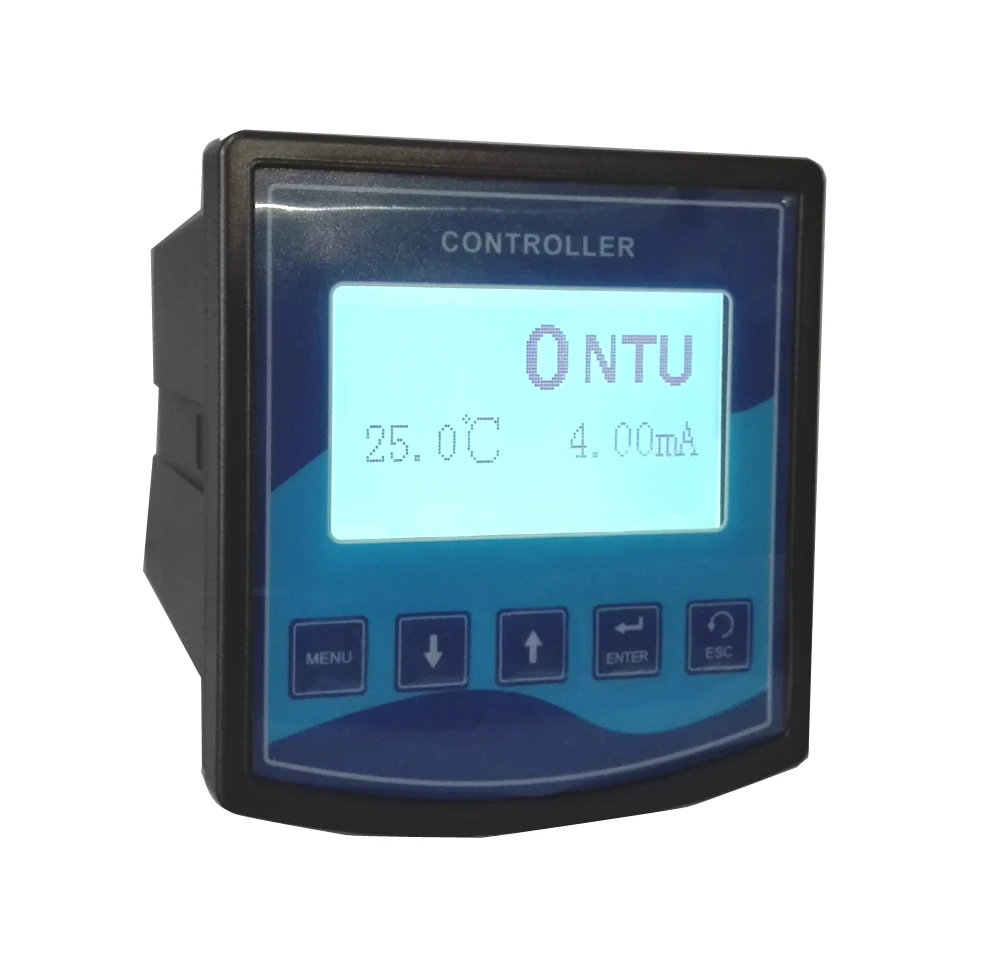
เครื่องส่งสัญญาณ PH ออนไลน์ PH-TRA-600 เป็นเครื่องมือที่แม่นยำซึ่งใช้สำหรับการวัดค่า PH ออนไลน์ทางอุตสาหกรรมและการควบคุมค่า PH เครื่องมือนี้ติดตั้งและใช้งานง่าย ทำงานได้อย่างปลอดภัย มีความสามารถในการปรับตัวให้เข้ากับสภาพแวดล้อมได้ดี และต้องการการบำรุงรักษาเพียงเล็กน้อย ใช้กันอย่างแพร่หลายสำหรับการบำบัดน้ำรักษาสิ่งแวดล้อม น้ำเสียอุตสาหกรรม อุตสาหกรรมเคมี ฯลฯ เครื่องมือนี้มีลักษณะหลักดังต่อไปนี้: 1) สลับจอแสดงผล PH และอุณหภูมิ ค่า. 2) การสอบเทียบแบบสามจุด การระบุโซลูชันโดยอัตโนมัติ 2) เอาต์พุตควบคุมรีเลย์ขีดจำกัดสูงและต่ำ, 3) เอาต์พุตสัญญาณกระแส 4-20mA ที่แยกออกมาหรือเอาต์พุต RS485

Product Details

รายละเอียดสินค้า

Contact Now

ติดต่อตอนนี้

รายละเอียดสินค้า

ข้อมูลจำเพาะทางเทคนิคที่สำคัญ

ช่วงการวัด 0.000~14.00pH
อัตราส่วนความละเอียด 0.02PH
ความแม่นยำ ±0.1pH
โหมดการแสดงผล จอแอลซีดี 3½
โหมดการปรับเทียบ การสอบเทียบแบบสามจุด (การระบุโซลูชันอัตโนมัติ)
การชดเชยอุณหภูมิด้วยตนเอง 0~120℃
ความต้านทานแรงอัดของอิเล็กโทรด 0~0.5MPa
ระยะการวัด การกำหนดค่ามาตรฐาน 5m (≤40m)
ความเร็วการไหล ≤3ม./วินาที
ความดัน ≤0.4Mpa
เอาท์พุต กระแสไฟ 4-20mA หรือ Modbus RS485 (อุปกรณ์เสริม)
เอาต์พุตควบคุม แม็กซี่. และมินิ (เปิดอย่างต่อเนื่อง) จุดติดต่อ
ความจุของจุดสัมผัส 3A/AC250V (พร้อมโหลดทน)
แหล่งจ่ายไฟ DC-24V,0.5A □; (มาตรฐาน) DC-12V,0.5A □; (ไม่จำเป็น)
สภาพแวดล้อม ความชื้น: ≤85%/RH; อุณหภูมิ: 0~50℃
ขนาดภายนอก 92*76*59มม. (สูง x กว้าง x ลึก)
โหมดการติดตั้ง การติดตั้งดินแดง

รายละเอียดการเชื่อมต่อสายไฟ

PH-TRA-600

บันทึก: รุ่นมาตรฐานคืออุณหภูมิแบบแมนนวลแบบสองสาย อิเล็กโทรดชดเชย

เทอร์มินัล:

เลขที่

เทอร์มินัล

เนื้อหาเทอร์มินัล

1

สวัสดี

เปิดเอาต์พุตแจ้งเตือนรีเลย์ขีดจำกัดสูงอย่างต่อเนื่อง

2

คอม

รีเลย์เทอร์มินัลทั่วไป

3

โล

เปิดเอาต์พุตแจ้งเตือนรีเลย์ขีดจำกัดต่ำอย่างต่อเนื่อง

4

เอ็นซี

ว่างเปล่า

5

เอ็นซี

ว่างเปล่า

6

ป้อนข้อมูล

อินพุตสัญญาณอิเล็กโทรด PH (สายโปร่งใส)

7

การอ้างอิง

สายกราวด์สัญญาณอิเล็กโทรด PH (สีดำ)

8

อุณหภูมิ

อุณหภูมิอัตโนมัติ สายวัดค่าชดเชย

9

อุณหภูมิ

อุณหภูมิอัตโนมัติ สายวัดค่าชดเชย

ขั้วต่อ B:

เลขที่

เทอร์มินัล

เนื้อหาเทอร์มินัล

1

ดีซี24+

กำลังไฟเข้า +

2

จีเอ็นดี

อุปกรณ์สายดิน

3

ดีซี 24-

กำลังไฟเข้า -

4

เอ็นซี

ว่างเปล่า

5

485ก

สายดินสัญญาณ RS 485

6

A

สัญญาณ RS485 ก

7

B

RS485 สัญญาณ B

8

แมสซาชูเซตส์+

เอาต์พุตสัญญาณปัจจุบัน 4-20mA +

9

แมสซาชูเซตส์

กระแสสัญญาณเอาท์พุต 4-20mA -

การทำงานของเครื่องมือ

4.1 ฟังก์ชั่นซอฟต์คีย์

ซอฟท์คีย์

ฟังก์ชั่นที่สำคัญ

คำอธิบายฟังก์ชั่น

PH-TRA-600

ปุ่มเมนู

ใต้สถานะการวัด ให้ป้อนหรือออกจากพารามิเตอร์ที่เกี่ยวข้อง “เมนูการตั้งค่า”

PH-TRA-600

ปุ่ม Shift ขวา

Right Shift เพื่อเลือกตัวเลขของพารามิเตอร์ (ตัวเลขจะกะพริบเมื่อเลือก); เลื่อนขึ้นเพื่อเรียกดูเมนู


PH-TRA-600

เพิ่มปุ่ม Shift

เปลี่ยนค่าดิจิตอลพารามิเตอร์ที่เลือกและการเปลี่ยนพารามิเตอร์

PH-TRA-600

ยืนยันคีย์

ยืนยันการเลือกและเข้าสู่เมนูและบันทึกพารามิเตอร์ ตรวจสอบค่าอุณหภูมิ

4.2. การทำงานของเครื่องมือ

ภายใต้อินเทอร์เฟซหลัก กด "PH-TRA-600 ” กุญแจเข้าสู่เมนูอินเทอร์เฟซ คำอธิบายโดยละเอียดดังต่อไปนี้:

เลขที่

เมนู

เนื้อหาเมนู

1

อูน-ที

หน่วยการวัด: การเปลี่ยนแปลง pH/mV ที่จะแสดง

2

ที--ซี

อินเทอร์เฟซการชดเชยอุณหภูมิ: HT-- (ด้วยตนเอง) 、PT--( PT1000)、 ​​NTC- (NTC10K)

3

เอชซี--

รีเลย์ค่าปิดขีดจำกัดสูง

4

โฮ--

รีเลย์ค่าเปิดขีดจำกัดสูง

5

แอลซี--

รีเลย์ค่าปิดขีดจำกัดต่ำ

6

โล--

รีเลย์ค่าเปิดขีดจำกัดต่ำ

7

เด--

ดีเลย์ x วินาทีปลุก

8

4--ก

ค่า PH ที่สอดคล้องกัน 4mA

9

20-เอ

ค่า PH ที่สอดคล้องกัน 20mA

10

เพิ่ม-

ที่อยู่ RS-4854 ค่าเริ่มต้น 002

11

บอด

ความเร็วรับส่งข้อมูล RS-485 ค่าเริ่มต้น 9600

12

แคลิฟอร์เนีย-

เมนูการสอบเทียบ ORP

13

เอฟซี 0

คืนค่าการตั้งค่าจากโรงงานให้กับผู้ใช้

14

เอฟเอซี -

เมนูการตั้งค่าจากโรงงานเฉพาะสำหรับโรงงานเท่านั้น

บันทึก: หลังจากตั้งค่าตัวเลือกแล้ว คุณต้องกดปุ่ม PH-TRA-600 เพื่อบันทึกข้อมูล

การสอบเทียบเครื่องมือ

การสอบเทียบจะอยู่ในรูปแบบของการสอบเทียบแบบสามจุด ฟังก์ชั่นการป้องกันการสอบเทียบอัตโนมัติทำงานในกระบวนการสอบเทียบ การสอบเทียบที่ผิดกฎหมายจะไม่ถูกดำเนินการ

ก่อนที่การสอบเทียบจะเริ่มต้น ตรวจสอบให้แน่ใจว่าคุณได้ผสมสารละลายบัฟเฟอร์สามชนิดแล้ว ซึ่งมีค่า PH อยู่ที่ 4.00, 6.86 และ 9.18 ตามลำดับตามข้อกำหนดที่เกี่ยวข้อง ก่อนเริ่มการสอบเทียบ อิเล็กโทรดจะต้องจุ่มลงในน้ำและเปิดใช้งานในน้ำสะอาดหรือสารละลายที่วัดเป็นเวลา 5 นาที

วิธีการสอบเทียบมีดังนี้: เมื่ออยู่ในสถานะการวัด

กดปุ่ม PH-TRA-600 จนกระทั่งเครื่องมือแสดง “CAL” และเข้าสู่สถานะการสอบเทียบ

กดปุ่ม PH-TRA-600 และเครื่องมือจะแสดง “4.00” ใส่อิเล็กโทรดที่ทำความสะอาดแล้วลงในสารละลายบัฟเฟอร์ผสม 4.00 แล้วกดปุ่ม PH-TRA-600 , ตัวควบคุมแสดงโซลูชันบัฟเฟอร์ปัจจุบันที่สอดคล้องกันค่า PH เมื่อค่า PH คงที่และรอ 3 ถึง 5 นาทีให้กดปุ่ม PH-TRA-600 เพื่อบันทึก

ตัวควบคุมจะแสดง "6.86" ​​หลังจากทำความสะอาดอิเล็กโทรด PH ด้วยน้ำบริสุทธิ์แล้ว ให้ใส่อิเล็กโทรดที่ทำความสะอาดแล้วลงในสารละลายบัฟเฟอร์ผสม 6.86 แล้วกดปุ่ม PH-TRA-600 , คอนโทรลเลอร์แสดงสารละลายบัฟเฟอร์ปัจจุบันที่สอดคล้องกันค่า PH ...... จนถึงการสอบเทียบ 9.18 เสร็จสิ้นและแสดงผลตกลง

ในระหว่างการสอบเทียบ หากตัวควบคุมแสดง "ERR" ซึ่งระบุว่าการสอบเทียบล้มเหลว จำเป็นต้องสอบเทียบใหม่ หากการสอบเทียบล้มเหลวหลายครั้ง โปรดเปลี่ยนอิเล็กโทรด PH หรือติดต่อกับซัพพลายเออร์

การติดตั้งอิเล็กโทรดวัด

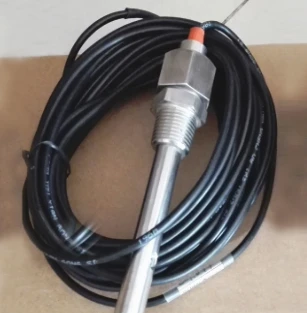
อิเล็กโทรดสำหรับการวัดเป็นอิเล็กโทรดผสมที่มีเปลือกพลาสติกและข้อต่อแบบเกลียว 3/4"NPT โปรดติดตั้งอย่างเคร่งครัดตามแผนภาพต่อไปนี้:

PH-TRA-600 PH-TRA-600

ข้อต่อแบบเกลียวขนาด 3/4"NPT


จุดที่น่าสนใจ:

1) ต้องติดตั้งอิเล็กโทรดในบริเวณที่มีความเร็วการไหลคงที่ และฟองอากาศไม่ค่อยรวมตัวกันหรือมีน้ำนิ่งซึ่งอาจ
นำไปสู่ความไม่ถูกต้อง

2) อิเล็กโทรดจะต้องจมอยู่ใต้น้ำลึก

3) สายเคเบิลที่รวบรวมสัญญาณ PH ซึ่งเป็นรูปแบบของสัญญาณที่มีศักยภาพอ่อนจะต้องแยกสายและจะต้องไม่ใช้ท่อป้องกันร่วมกับสายไฟและสายควบคุมเพื่อหลีกเลี่ยงการรบกวน

การบำรุงรักษาอิเล็กโทรดการวัด:

1) หลีกเลี่ยงการวางอิเล็กโทรดไว้ในอากาศแห้ง เมื่อไม่ได้ใช้งานอิเล็กโทรด ให้ทำความสะอาดด้วยน้ำแล้วใส่กลับเข้าไปในกล่องบรรจุของเหลวที่มี KCL 1 โมล หรือใส่อิเล็กโทรดลงในภาชนะที่มี KCL 1 โมลอยู่ในนั้น

2) ต้องทำความสะอาดอิเล็กโทรดอย่างสม่ำเสมอ หากหลอดแก้วของอิเล็กโทรดและโพลีเตตราฟลูออโรเอทิลีน (PTFE) สัมผัสกันและทำให้สกปรก ให้ทำความสะอาดด้วยสารต่อไปนี้:

1 ใช้สารออกฤทธิ์ที่พื้นผิวเพื่อกำจัดไขมันหรือสิ่งที่มันเยิ้ม

2 ใช้สารละลายกรดไฮโดรคลอริก 10% เพื่อกำจัดตะกอนแคลเซียมหรือไฮดรอกไซด์ของโลหะ

3 ใช้สารละลายกรดไฮโดรคลอริก 10% เพื่อกำจัดตะกอนซัลไฟด์ ใช้ส่วนผสมของสารละลายกรดไฮโดรคลอริก 10% และเปปซินเพื่อกำจัดกาวโปรตีน

Mการบำรุงรักษาเครื่องดนตรี

1) อิเล็กโทรดสำหรับการวัดเป็นชิ้นส่วนที่แม่นยำ และจะต้องไม่นำออกจากห้องตรวจวัด เว้นแต่จำเป็นต้องทำเช่นนั้น ควรทำความสะอาดอิเล็กโทรด PH เป็นประจำ

2) สายวัดเป็นสายพิเศษที่ห้ามเปลี่ยนเป็นสายชนิดอื่น สายเคเบิลที่ไม่ผ่านการรับรองอาจทำให้เกิดข้อผิดพลาดใหญ่ได้

3) หากอิเล็กโทรดสำหรับการวัดเสียหายหรือสูญเสียประสิทธิภาพ ให้ซื้อและแทนที่ด้วยอิเล็กโทรดผสมประเภทเดียวกัน และปรับเทียบตามบทที่ห้าของคู่มือนี้

4) เครื่องมือนี้ประกอบด้วยวงจรรวมและส่วนประกอบอิเล็กทรอนิกส์ที่ถูกต้อง ดังนั้นจึงต้องได้รับการปกป้องจากความชื้น

เครื่องดนตรีทั้งชุด

เครื่องส่งสัญญาณพีเอช 1 ชิ้น
เซ็นเซอร์วัดค่าพีเอช 1 ชิ้น
แคลมป์ยึด 1คู่
คู่มือการใช้งาน 1 สำเนา


ได้รับการติดต่อ

หากคุณสนใจผลิตภัณฑ์ของเรา คุณสามารถเลือกฝากข้อมูลของคุณไว้ที่นี่ แล้วเราจะติดต่อคุณโดยเร็วที่สุด

* ชื่อ

* อีเมล

โทรศัพท์

*ข้อความ

คำถามที่พบบ่อย

คำถามที่พบบ่อย (FAQ) เกี่ยวกับ Ph-Tra-600

คู่มือการใช้งาน Ph-Tra-600 ใช้งานอย่างไร?

Down Down

ทำตามคำแนะนำบทเพื่อค้นหาเนื้อหาที่เกี่ยวข้อง

จะดำเนินการสอบเทียบในคู่มือได้อย่างไร?

Down Down

ปรับเทียบด้วยบัฟเฟอร์ตามขั้นตอนแบบแมนนวล

การตั้งค่าพารามิเตอร์คู่มือคู่มือทำอย่างไร?

Down Down

ปฏิบัติตามคำแนะนำเพื่อตั้งค่าพารามิเตอร์บนอินเทอร์เฟซที่เกี่ยวข้อง

คู่มือนี้มีคำแนะนำอะไรบ้างในการแก้ไขปัญหา?

Down Down

ค้นหาวิธีแก้ปัญหาที่สอดคล้องกันตามปรากฏการณ์ข้อบกพร่อง
PH-TRA-600.webp                  


สินค้าที่เกี่ยวข้อง

ข่าวที่เกี่ยวข้อง

right
right
Comprehensive Guide to Understanding Air Sample Analysis and Monitoring Techniques

Mar.10,2026

Comprehensive Guide to Understanding Air Sample Analysis and Monitoring Techniques

In numerous industries, maintaining air quality is paramount for safety, compliance, and process control. Air sample analysis plays a crucial role in identifying airborne contaminants, assessing exposure levels, and ensuring a healthy working environment. This article will delve into the significance of air sample analysis, common methods, applications across various sectors, and the importance of selecting the right equipment. Protecting your workforce and maintaining operational efficiency begins with understanding the air they breathe. Air sample analysis is fundamental for a variety of reasons. Firstly, it safeguards worker health by identifying hazardous substances such as dust, fumes, gases, and biological contaminants. Secondly, it ensures compliance with stringent regulatory standards set by organizations like OSHA (Occupational Safety and Health Administration) and EPA (Environmental Protection Agency).

Comprehensive Guide to Understanding and Utilizing Air Quality Samplers

Mar.09,2026

Comprehensive Guide to Understanding and Utilizing Air Quality Samplers

Maintaining optimal air quality is crucial for both human health and environmental protection. Air quality samplers play a vital role in monitoring and assessing the levels of pollutants in various environments. This article will provide a detailed overview of air quality samplers, their types, applications, and the importance of accurate air quality monitoring. We'll explore how these devices contribute to safeguarding our well-being and protecting the environment. Choosing the right sampler is essential for obtaining reliable data and making informed decisions. An air quality sampler is a device used to collect air samples for analysis. These samples can be analyzed to determine the concentration of various pollutants, including particulate matter (PM2.5 and PM10), volatile organic compounds (VOCs), gases like ozone and nitrogen dioxide, and biological contaminants. The data collected from these samplers helps assess air quality standards and identify potential health risks. Air quality samplers are used across diverse sectors, from industrial hygiene to environmental monitoring. Accurate data collection for informed decision-making regarding air quality management and public health.

Understanding and Utilizing Automatic Stormwater Samplers for Effective Water Quality Monitoring

Mar.08,2026

Understanding and Utilizing Automatic Stormwater Samplers for Effective Water Quality Monitoring

Effective stormwater management is crucial for protecting our waterways and complying with environmental regulations. A key component of this process is accurate and reliable stormwater sampling. Automatic stormwater samplers, offered by Water Equipment, are designed to collect representative samples of stormwater runoff, enabling precise analysis of pollutants. This article will explore the importance of these samplers, their various types, key features, applications, and how to choose the right one for your specific needs. Investing in a quality automatic stormwater sampler ensures accurate data collection and informed decision-making for environmental compliance. Manual stormwater sampling is time-consuming, labor-intensive, and prone to inconsistencies. Automatic samplers eliminate these drawbacks, providing a consistent and representative sample collection process. They are essential for meeting regulatory requirements, identifying pollution sources, and evaluating the effectiveness of stormwater management practices.

Comprehensive Guide to Auto Water Samplers for Accurate Water Quality Monitoring

Mar.07,2026

Comprehensive Guide to Auto Water Samplers for Accurate Water Quality Monitoring

In environmental monitoring, water quality analysis, and industrial processes, obtaining representative water samples is critical. Auto water samplers provide a reliable and efficient solution for collecting water samples automatically, reducing the need for manual intervention and minimizing the risk of contamination. This article will delve into the features, benefits, applications, and key considerations when selecting an auto water sampler. Whether you're involved in wastewater treatment, stormwater runoff monitoring, or scientific research, understanding these devices is essential. An auto water sampler, also known as an automatic water sampler, is a device designed to collect water samples at predetermined intervals or based on specific triggers, such as flow rate or water level. These samplers typically consist of a pump, a sample collection container (usually bottles), a control panel, and often, a flow meter or sensor. The control panel allows users to program sampling schedules, volume per sample, and other parameters.

Choosing the Right Portable Water Sampler for Accurate Environmental Analysis

Mar.06,2026

Choosing the Right Portable Water Sampler for Accurate Environmental Analysis

In environmental monitoring, research, and quality control, obtaining representative water samples is crucial for accurate analysis. A portable water sampler allows for convenient and reliable sample collection in the field, eliminating the need for on-site laboratories. This article will explore the benefits of using a portable water sampler, the factors to consider when choosing one, and the applications where they prove invaluable. Understanding your specific needs is the first step to selecting the ideal sampler for your operations. Traditional water sampling methods can be time-consuming and prone to contamination. A portable water sampler offers several advantages. It enables sampling from remote locations, minimizes sample degradation by reducing transit time, and provides greater control over the sampling process.

Comprehensive Guide to Portable Automatic Water Samplers for Accurate Data Collection

Mar.05,2026

Comprehensive Guide to Portable Automatic Water Samplers for Accurate Data Collection

In environmental monitoring and water quality analysis, accurate and reliable data collection is paramount. Portable automatic water samplers provide a crucial solution for collecting representative water samples at pre-programmed intervals, eliminating the need for constant manual intervention. This article delves into the features, benefits, applications, and key considerations when choosing a portable automatic water sampler. Whether you're monitoring wastewater discharge, assessing river pollution, or conducting research, selecting the right sampler is vital for obtaining dependable results. Automatic water samplers offer numerous advantages over traditional manual sampling methods. They provide consistent and representative samples, reducing the potential for human error and bias. The ability to program sampling schedules allows for capturing time-varying events, such as peak pollutant loads or diurnal fluctuations.

Comprehensive Guide to Water Depth Samplers and Their Applications

Mar.04,2026

Comprehensive Guide to Water Depth Samplers and Their Applications

Accurate water quality monitoring is crucial in various fields, from environmental science and aquaculture to industrial wastewater management. A key tool for this is the water depth sampler. This article provides an in-depth look at water depth samplers, their applications, types, and essential considerations for choosing the right one for your needs. We'll explore the benefits of utilizing this equipment to collect reliable data for analysis and informed decision-making. Selecting the right sampler can significantly improve the precision and efficiency of your water monitoring program. A water depth sampler, also known as a depth-integrated sampler, is a device designed to collect water samples from specific depths within a body of water. Unlike simply dipping a container into the water, a depth sampler allows for collection of a representative sample across a defined depth range. This is critical because water properties (temperature, salinity, pollutants) often vary significantly with depth. The data gathered with a water depth sampler provides a more accurate assessment of water quality than surface samples alone.

Comprehensive Guide to Horizontal Water Sampler Applications and Selection

Mar.03,2026

Comprehensive Guide to Horizontal Water Sampler Applications and Selection

Collecting water samples at varying depths is crucial for environmental monitoring, research, and quality control. The horizontal water sampler from Watequipment.com offers a precise and efficient solution for this task. This article provides an in-depth look at horizontal water samplers, their applications, benefits, and key considerations when choosing the right model. We will explore how these samplers contribute to accurate data collection and informed decision-making in various fields. A horizontal water sampler is a device designed to collect water samples from specific depths within a body of water – rivers, lakes, oceans, reservoirs, and even wastewater treatment plants. Unlike vertical samplers which primarily focus on depth, horizontal samplers prioritize collecting samples at a consistent depth while moving along a horizontal plane. This is essential for assessing water quality variations across a waterway or within a specific zone. They are used in applications ranging from environmental monitoring and scientific research to industrial process control and regulatory compliance.

หากคุณสนใจผลิตภัณฑ์ของเรา คุณสามารถเลือกฝากข้อมูลของคุณไว้ที่นี่ แล้วเราจะติดต่อคุณโดยเร็วที่สุด


thThai