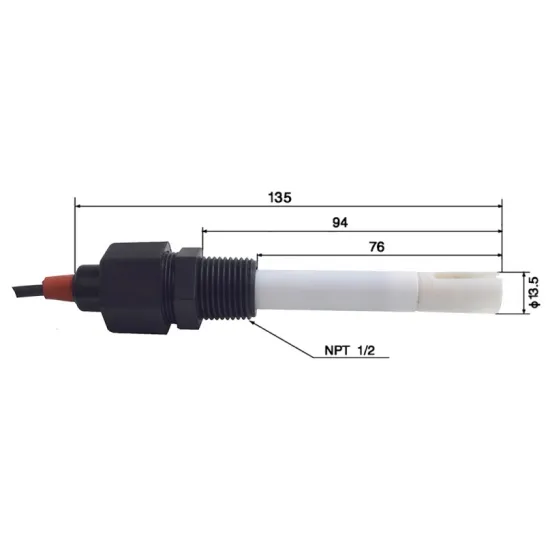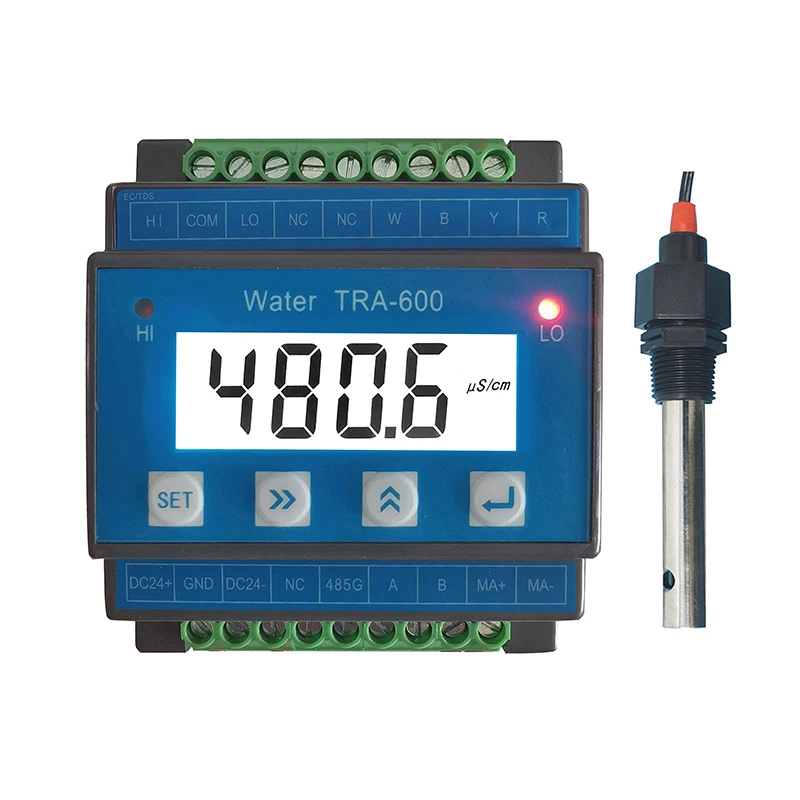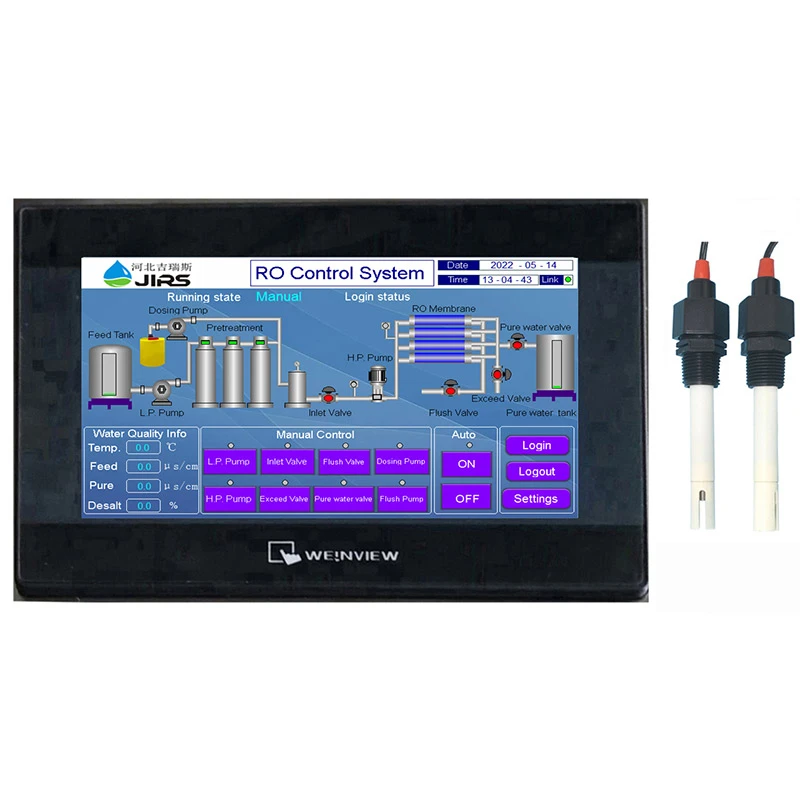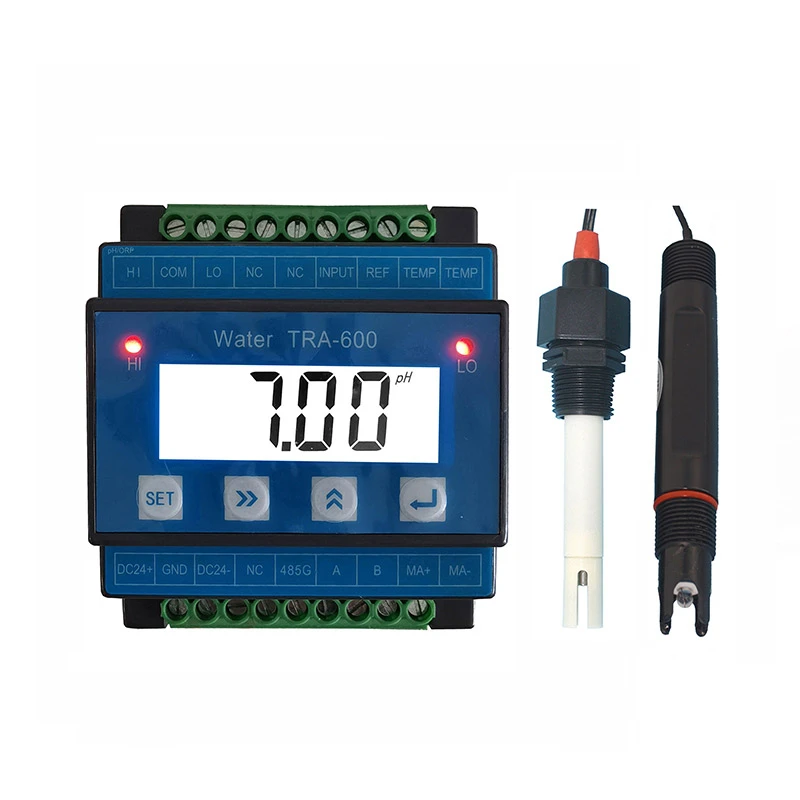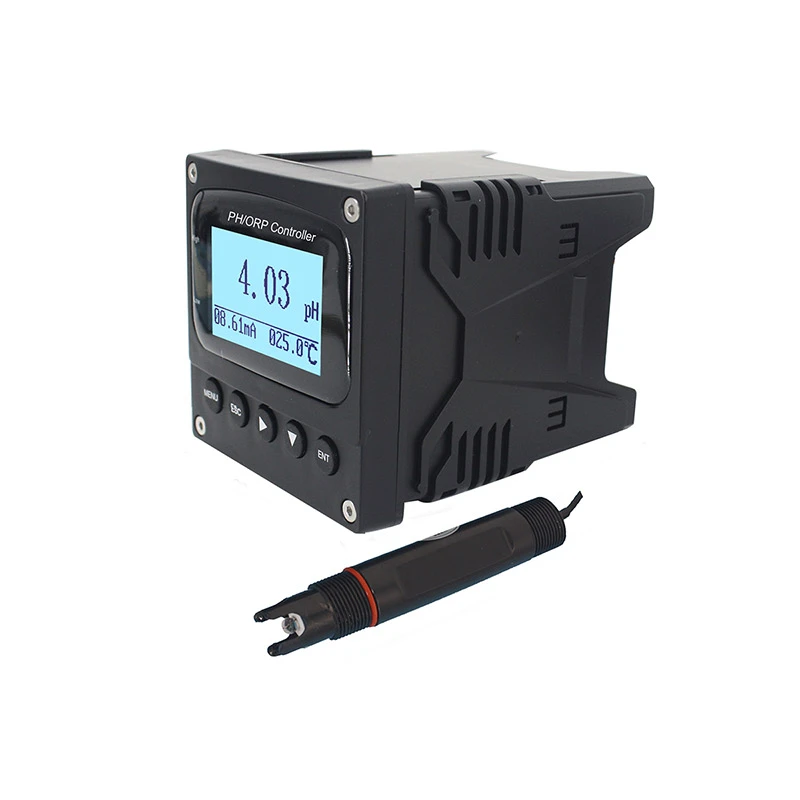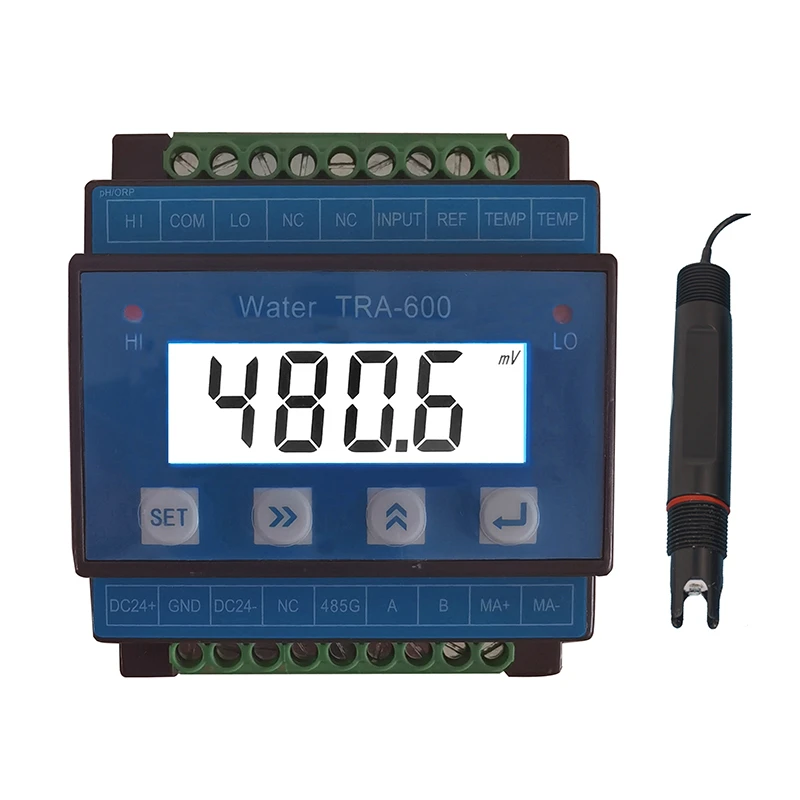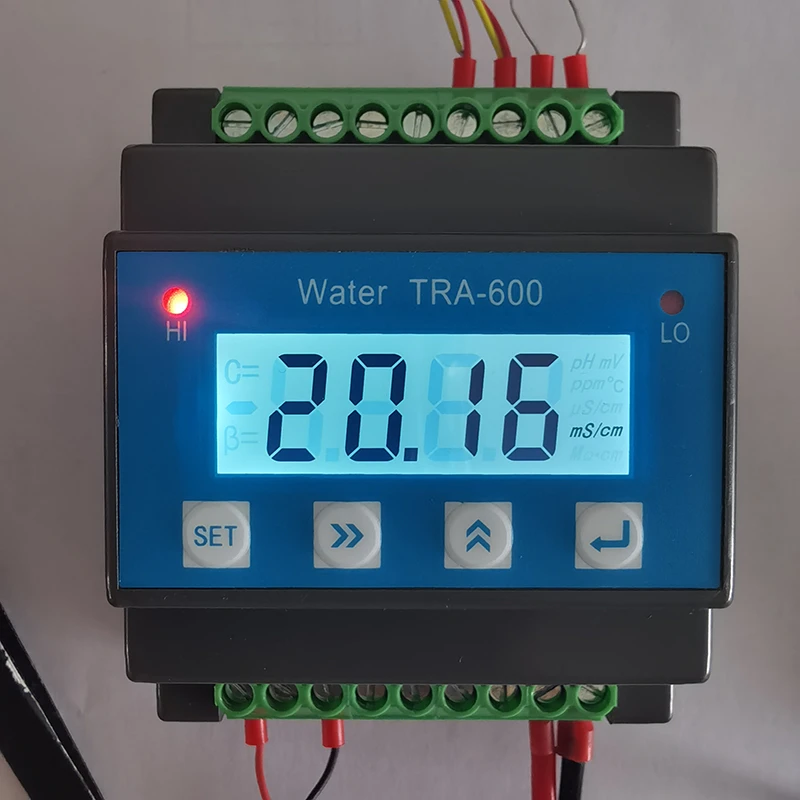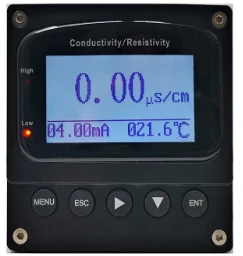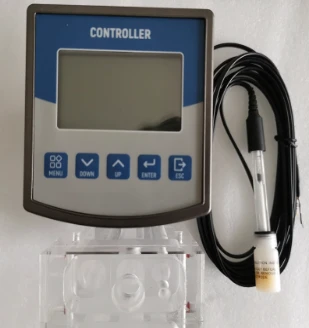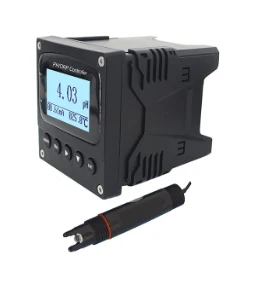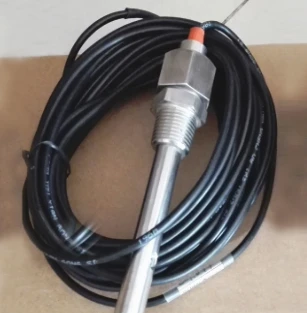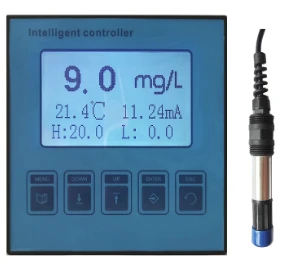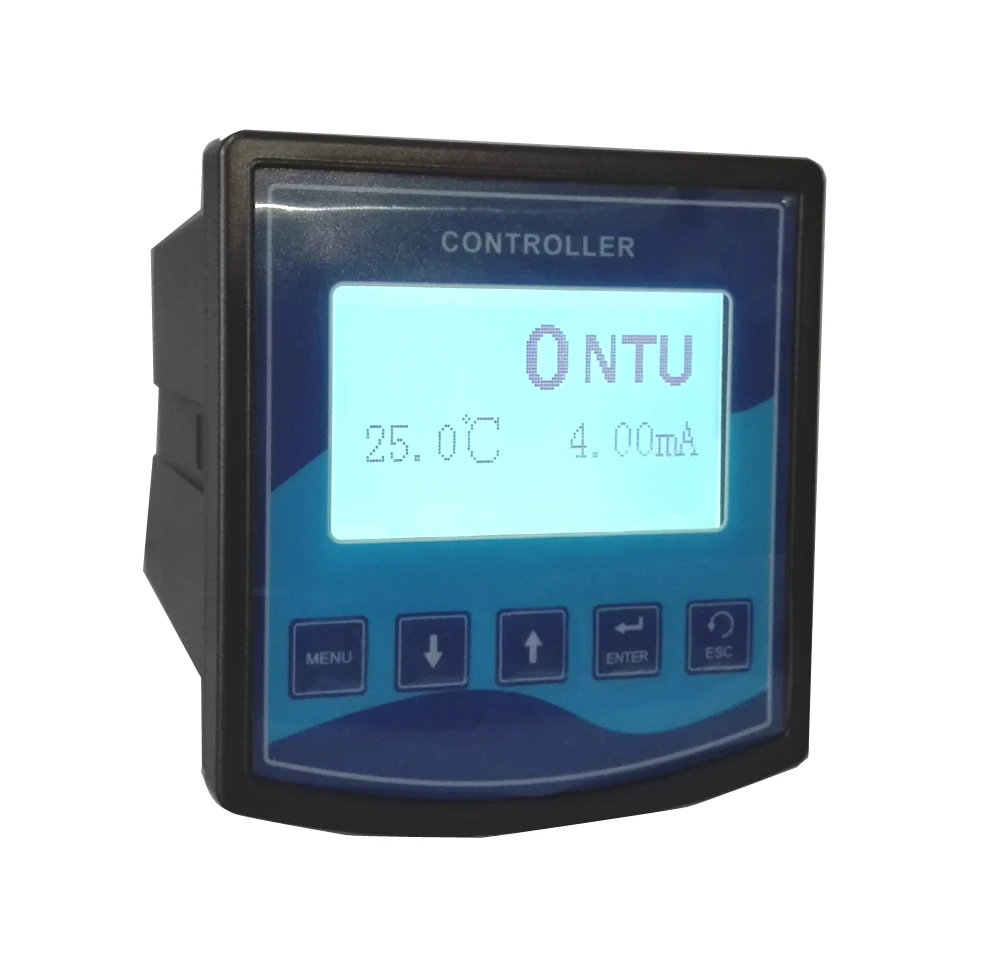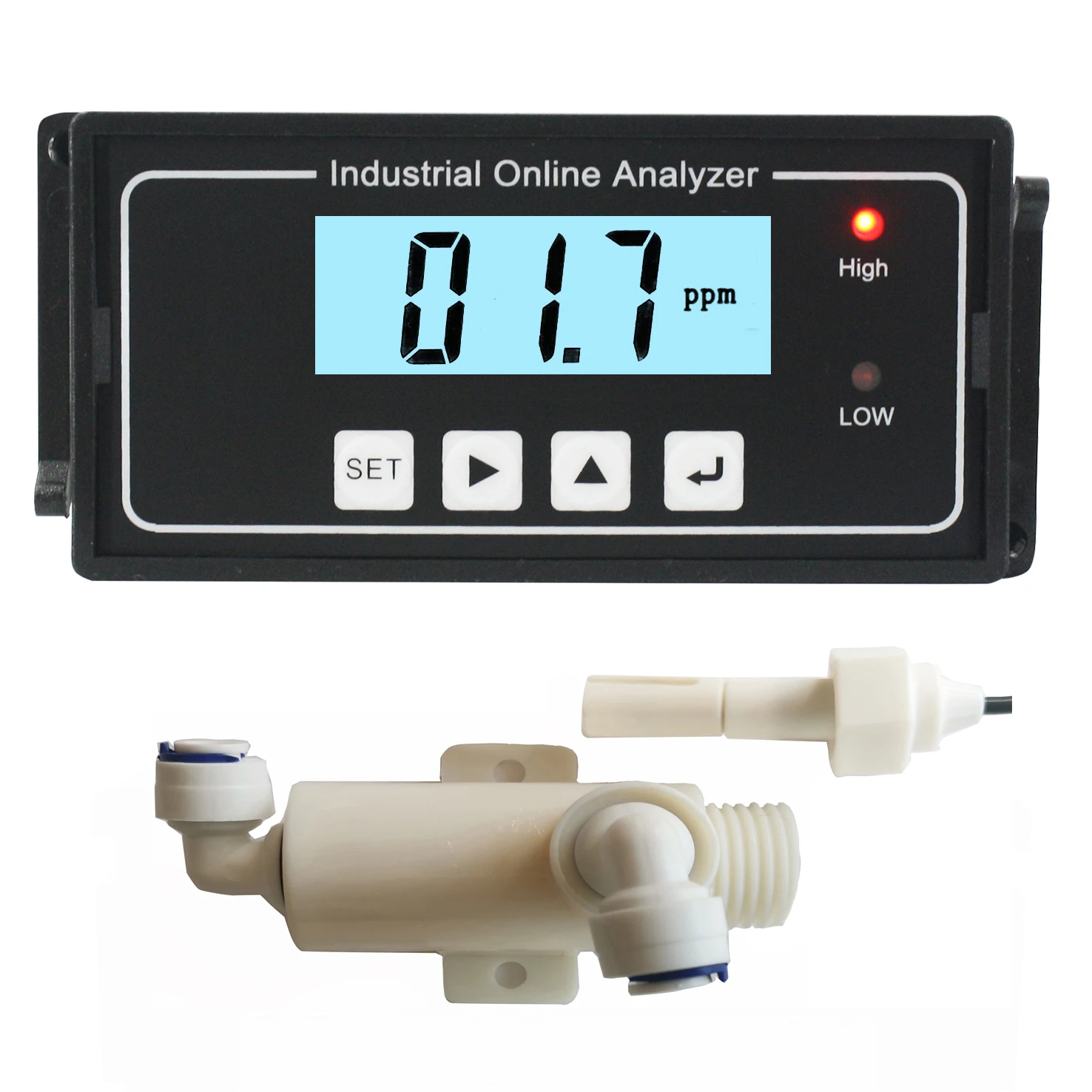

CR-102P High Performance Controller for Industrial Automation

Jul . 30, 2025

Share:

In-depth Analysis of CR-102P Conductivity & TDS Sensor: Trends, Tech Specs, Application Scenarios, and Industry Benchmarking

The CR-102P is a high-precision conductivity and TDS (Total Dissolved Solids) sensor designed for demanding industrial environments such as petrochemical, metallurgy, and water treatment sectors. Leveraging advanced platinum alloy sensing technology and robust PVC/PP/316SS materials, the CR-102P stands out for its accuracy, durability, and compatibility with international inspection standards (ISO, ANSI). This article explores the latest industry trends, details the product parameters, compares leading vendors, and shares proven field applications — all underpinned by authoritative data and real-world case evidence.

CR-102P High Performance Controller for Industrial Automation

Keywords: CR-102P, conductivity sensor, TDS sensor, industrial water quality, ISO, customization, technical specifications, benchmarks.

1. CR-102P in the Context of Industry Trends
  • Market Growth: According to MarketsandMarkets™, the global industrial water sensors market was valued at USD 9.2 billion in 2023, projected to reach USD 13.7 billion by 2028, at a CAGR of 8.3% (Source).
  • Technology Evolution:
    • Integration with IIoT (Industrial IoT) for real-time cloud monitoring.
    • Advanced anti-fouling and anti-corrosion sensor technologies for extended field life.
    • Stringent compliance with ISO 9001, ANSI/NSF 61, and CE certifications.
  • Industrial Demand: Key end-users (petrochemicals, metallurgy, municipal water) focus on sensors offering superior accuracy, robust housing, easy maintenance, and customizable outputs (e.g., 4-20mA, RS485 Modbus).
Key Insight:

The CR-102P addresses the escalating demand for rugged, high-precision sensors aligning with the digital transformation and sustainability mandates of industry leaders.

2. CR-102P Technical Specifications Overview
2.1. Specification Table
Parameter CR-102P Industry Standard Range
Measuring PrincipleElectrochemical (2-electrode method)2 or 4 electrode
Measurement Range0.01–200 mS/cm0.01–200 mS/cm
Cell Constant (K)0.1 / 1.0 / 10 cm-1 (selectable)0.01–10 cm-1
Accuracy±1% F.S.±2% F.S. typical
Temperature Range0 – 120℃0 – 120℃
Operating Pressure≤0.6MPa≤0.5MPa–1.0MPa
Material (Wetted Part)PVC / PP / 316L SS / Platinum alloyPVC/SS/PTFE/Platinum
Output Signal4–20 mA, RS485(Modbus), 0–5V4–20mA/RS485/0–10V
Thread Installation¾" NPT or custom½"–1" NPT/G thread
Ingress ProtectionIP68IP67/IP68
CertificationsISO 9001, ANSI/NSF 61, CEISO9001/CE/ANSI
Typical Service Life5-8 years (under normal operation)3-5 years
2.2. Manufacturing Flowchart
Raw Material Selection
Premium PVC, PP, and 316L SS; ISO 9001 batch control
CNC Machining & Forging
Electrode shaping (Platinum), precision body CNC
Sensor Assembly
Manual and automated ISO-certified assembly
Testing & Calibration
Custom reference solution; ANSI B16.5 leak/dielectric QC
Packing & Dispatch
ISO/CE-compliant protection; end-user documentation
Note: Each CR-102P undergoes dual verification: in-house according to ISO 9001:2015 and third-party inspection ensuring full traceability.
2.3. Technical Benchmarking & Key Advantages
  • Ultra-Low Drift: 5-year stability
  • Platinum Alloy Sensing: Outperforms carbon/stainless counterparts in resistance to fouling and chemical passivation.
  • IP68 & High-Temp Endurance: Submersible, reliable even up to 120℃ for steam condensate/wastewater scenarios.
  • Multiple Output Protocols: Works with new and legacy PLC/SCADA (4-20mA, RS485-Modbus, optional HART).
  • Service Life: 5-8 years under ISO-validated field stress (industry average: 3-5 years, see graph below).
CR-102P demonstrates up to 40% longer service life over average competitors in independent third-party test deployments (ISO/IEC 17025-accredited labs).
3. CR-102P Application Scenarios & Field Advantages
Main Application Fields
  • Petrochemical Plants: Steam condensate, cooling tower conductivity (prevents scale/corrosion).
  • Metallurgy: Pickling bath, rinse water, acid/alkali process tank monitoring.
  • Municipal Water & Wastewater: Network-wide water quality assurance, effluent compliance (ISO 14001/EN 12566).
  • Pharmaceutical Production: RO/ultrapure water checks, aligned with FDA 21 CFR Part 11 requirements.
  • Power Generation: Boiler feedwater, zero-liquid discharge systems (supports continuous regulatory reporting).
Case Study: CR-102P in a European Petrochemical Plant
  • Project Scope: 56 CR-102P units deployed for steam loop/condensate tracing (2021–today)
  • Outcome: Reported sensor maintenance downtime reduced by 78%; estimated cost savings: €84,000/year
  • Why CR-102P: Platinum alloy electrodes outlasted previous graphite sensors, certified per ISO 9001 and CE for safety audits
Typical Installation Diagram
CR-102P High Performance Controller for Industrial Automation
Figure: CR-102P installed in industrial cooling water loop (IP68 waterproofing, ¾" NPT thread)

Performance Comparison Table
Feature/Model CR-102P Brand A (Japan) Brand B (Germany) Brand C (USA)
Electrode Material Platinum Alloy Graphite 316L SS Platinum Alloy
Range (mS/cm) 0.01–200 0.05–100 0.1–150 0.02–100
Output Options 4–20mA, RS485, 0–5V 4–20mA only RS232, 4–20mA 4–20mA, RS485
Temperature Comp. NTC/PT1000 Onboard None PT100 NTC
Ingress Protection IP68 IP67 IP65 IP67
Service Life (yrs) 5–8 3–4 4–5 3–5
Certifications ISO, ANSI, CE ISO, CE CE, TÜV ISO
Why Choose CR-102P Over Competitors?
  • Superior Materials: Platinum alloy/316L SS guarantee anti-fouling and chemical resistance far beyond graphite/standard steel.
  • Custom Engineering: Vendor offers tailored K constants, mounting, and process connection options per project specs.
  • Proven Longevity: Documented field results show up to 60% fewer sensor replacements over a 5-year operation.

4. Customization Solutions and Delivery/Support Commitment
Engineering Customization Examples
  • Special Thread Sizes (e.g., DN32, 1" BSP, Tri-clamp) for unique process lines
  • Alternative Wet-end Materials: PTFE/FEP available for highly corrosive fluids
  • Long Lead Cable Options: 5m/10m/20m armored cables
  • Extended Ranges & Calibration: Custom TDS corrections, high-purity applications
  • Protocol Integration: HART, MODBUS-RTU/TCP as needed
Typical Delivery Timeline
Order Type Lead Time Warranty (Standard)
Stocked CR-102P 3–5 days 18 months
Special K-Constant or Thread 5–10 days 24 months
Bulk/Project (>100 units) 2–5 weeks 24–36 months
After-sales and Support
  • 24/7 Technical Hotline & global remote diagnosis services
  • Onsite commissioning and user training for projects over 30 units
  • Field Calibration Kits and on-demand OEM/ODM support
  • Replacement Guarantee: CR-102P is guaranteed against manufacturing defects for up to 36 months
  • Documentation: Each sensor includes ISO Certificate, Test Report, and Installation Manual in English

5. CR-102P – Frequently Asked Questions (FAQ)
Q1: What is the cell constant (K) of the CR-102P and why does it matter?
A: Cell constant defines the ratio between measured conductivity and actual read-out; CR-102P offers 0.1, 1.0, and 10.0 cm-1 versions for flexible applications — from pure water to brine monitoring. Proper K-value selection ensures optimal sensitivity and accuracy.
Q2: Which materials are available for wetted parts in the CR-102P sensor?
A: Standard choices are PVC or PP for body, 316L SS for reinforcement, and platinum alloy for electrodes. For extreme chemicals, PTFE upgrades are available.
Q3: What certifications does the CR-102P comply with?
A: It is manufactured under ISO 9001 audited lines, tested per ANSI/NSF 61 (potable water safety), and certified to CE standards for EMC and low voltage.
Q4: Which installation thread or connection can be provided?
A: Standard is ¾" NPT but G-thread, DIN, SANITARY (Tri-clamp), and custom adapters are available; consult CR-102P product team for project-specific requests.
Q5: Does the CR-102P support compensation for temperature?
A: Yes. Integrated NTC or PT1000 makes real-time temperature compensation automatic, covering 0–120°C operation for TDS/conductivity corrections.
Q6: What is the recommended recalibration cycle?
A: For critical industry applications, annual recalibration is recommended; however, in stable process water, interval can extend to 18–24 months due to platinum electrode stability.
Q7: Can CR-102P be cleaned or maintained in line?
A: Yes. The sensor is designed for inline brush or chemical cleaning, with fouling resistance superior to most market alternatives.

6. Authority, Industry Collaboration & Reference
  • Certifications: CR-102P is manufactured by Watequipment, holding ISO 9001:2015, ANSI/NSF 61, and CE certificates.
  • Industry Adoption: Main clients include Asia’s top chemical plants, European metallurgical firms, and wastewater plants in MEA region.
  • Testing labs: Sensor performance is regularly validated in SGS and Intertek accredited laboratories.
  • Reference standard: All test data are compliant with IEC 60364, ISO 17025, and national TDS/conductivity monitoring guidelines.
  • Years in Service: The CR-102P platform has undergone over 3200 field deployments since 2018.
  • Trusted by: Over 100 OEM integrators in the water, power, and process automation space.
Summary: The CR-102P is not only distinguished by precision, rugged build, and customization. Its compliance with top-tier standards, extended warranty, and proven operational results make it the go-to choice for industries confronting strict quality, safety, and economic efficiency targets.

Related Products

swiper-button-prev
swiper-button-next
WS-9300/9350

WS-9300/9350

WS-9200/9250

WS-9200/9250

WS-9200/9250

WS-9200/9250

JIRS-803C

JIRS-803C

JIRS-803C3

JIRS-803C3

JIRS-803C4

JIRS-803C4

JIRS-803C5

JIRS-803C5

Soil Sensor

Soil Sensor

Related News

swiper-button-prev
swiper-button-next
Comprehensive Guide to Understanding and Utilizing Air Quality Samplers

2026-03-09 02:35:09

Comprehensive Guide to Understanding and Utilizing Air Quality Samplers

Maintaining optimal air quality is crucial for both human health and environmental protection. Air quality samplers play a vital role in monitoring and assessing the levels of pollutants in various environments. This article will provide a detailed overview of air quality samplers, their types, applications, and the importance of accurate air quality monitoring. We'll explore how these devices contribute to safeguarding our well-being and protecting the environment. Choosing the right sampler is essential for obtaining reliable data and making informed decisions. An air quality sampler is a device used to collect air samples for analysis. These samples can be analyzed to determine the concentration of various pollutants, including particulate matter (PM2.5 and PM10), volatile organic compounds (VOCs), gases like ozone and nitrogen dioxide, and biological contaminants. The data collected from these samplers helps assess air quality standards and identify potential health risks. Air quality samplers are used across diverse sectors, from industrial hygiene to environmental monitoring. Accurate data collection for informed decision-making regarding air quality management and public health.

Understanding and Utilizing Automatic Stormwater Samplers for Effective Water Quality Monitoring

2026-03-08 02:35:09

Understanding and Utilizing Automatic Stormwater Samplers for Effective Water Quality Monitoring

Effective stormwater management is crucial for protecting our waterways and complying with environmental regulations. A key component of this process is accurate and reliable stormwater sampling. Automatic stormwater samplers, offered by Water Equipment, are designed to collect representative samples of stormwater runoff, enabling precise analysis of pollutants. This article will explore the importance of these samplers, their various types, key features, applications, and how to choose the right one for your specific needs. Investing in a quality automatic stormwater sampler ensures accurate data collection and informed decision-making for environmental compliance. Manual stormwater sampling is time-consuming, labor-intensive, and prone to inconsistencies. Automatic samplers eliminate these drawbacks, providing a consistent and representative sample collection process. They are essential for meeting regulatory requirements, identifying pollution sources, and evaluating the effectiveness of stormwater management practices.

Comprehensive Guide to Auto Water Samplers for Accurate Water Quality Monitoring

2026-03-07 02:35:07

Comprehensive Guide to Auto Water Samplers for Accurate Water Quality Monitoring

In environmental monitoring, water quality analysis, and industrial processes, obtaining representative water samples is critical. Auto water samplers provide a reliable and efficient solution for collecting water samples automatically, reducing the need for manual intervention and minimizing the risk of contamination. This article will delve into the features, benefits, applications, and key considerations when selecting an auto water sampler. Whether you're involved in wastewater treatment, stormwater runoff monitoring, or scientific research, understanding these devices is essential. An auto water sampler, also known as an automatic water sampler, is a device designed to collect water samples at predetermined intervals or based on specific triggers, such as flow rate or water level. These samplers typically consist of a pump, a sample collection container (usually bottles), a control panel, and often, a flow meter or sensor. The control panel allows users to program sampling schedules, volume per sample, and other parameters.

Choosing the Right Portable Water Sampler for Accurate Environmental Analysis

2026-03-06 04:35:03

Choosing the Right Portable Water Sampler for Accurate Environmental Analysis

In environmental monitoring, research, and quality control, obtaining representative water samples is crucial for accurate analysis. A portable water sampler allows for convenient and reliable sample collection in the field, eliminating the need for on-site laboratories. This article will explore the benefits of using a portable water sampler, the factors to consider when choosing one, and the applications where they prove invaluable. Understanding your specific needs is the first step to selecting the ideal sampler for your operations. Traditional water sampling methods can be time-consuming and prone to contamination. A portable water sampler offers several advantages. It enables sampling from remote locations, minimizes sample degradation by reducing transit time, and provides greater control over the sampling process.

Comprehensive Guide to Portable Automatic Water Samplers for Accurate Data Collection

2026-03-05 02:35:08

Comprehensive Guide to Portable Automatic Water Samplers for Accurate Data Collection

In environmental monitoring and water quality analysis, accurate and reliable data collection is paramount. Portable automatic water samplers provide a crucial solution for collecting representative water samples at pre-programmed intervals, eliminating the need for constant manual intervention. This article delves into the features, benefits, applications, and key considerations when choosing a portable automatic water sampler. Whether you're monitoring wastewater discharge, assessing river pollution, or conducting research, selecting the right sampler is vital for obtaining dependable results. Automatic water samplers offer numerous advantages over traditional manual sampling methods. They provide consistent and representative samples, reducing the potential for human error and bias. The ability to program sampling schedules allows for capturing time-varying events, such as peak pollutant loads or diurnal fluctuations.

Comprehensive Guide to Water Depth Samplers and Their Applications

2026-03-04 02:55:19

Comprehensive Guide to Water Depth Samplers and Their Applications

Accurate water quality monitoring is crucial in various fields, from environmental science and aquaculture to industrial wastewater management. A key tool for this is the water depth sampler. This article provides an in-depth look at water depth samplers, their applications, types, and essential considerations for choosing the right one for your needs. We'll explore the benefits of utilizing this equipment to collect reliable data for analysis and informed decision-making. Selecting the right sampler can significantly improve the precision and efficiency of your water monitoring program. A water depth sampler, also known as a depth-integrated sampler, is a device designed to collect water samples from specific depths within a body of water. Unlike simply dipping a container into the water, a depth sampler allows for collection of a representative sample across a defined depth range. This is critical because water properties (temperature, salinity, pollutants) often vary significantly with depth. The data gathered with a water depth sampler provides a more accurate assessment of water quality than surface samples alone.

Comprehensive Guide to Horizontal Water Sampler Applications and Selection

2026-03-03 18:55:22

Comprehensive Guide to Horizontal Water Sampler Applications and Selection

Collecting water samples at varying depths is crucial for environmental monitoring, research, and quality control. The horizontal water sampler from Watequipment.com offers a precise and efficient solution for this task. This article provides an in-depth look at horizontal water samplers, their applications, benefits, and key considerations when choosing the right model. We will explore how these samplers contribute to accurate data collection and informed decision-making in various fields. A horizontal water sampler is a device designed to collect water samples from specific depths within a body of water – rivers, lakes, oceans, reservoirs, and even wastewater treatment plants. Unlike vertical samplers which primarily focus on depth, horizontal samplers prioritize collecting samples at a consistent depth while moving along a horizontal plane. This is essential for assessing water quality variations across a waterway or within a specific zone. They are used in applications ranging from environmental monitoring and scientific research to industrial process control and regulatory compliance.

Comprehensive Guide to Selecting the Right Surface Water Sampler for Your Needs

2026-02-28 02:35:09

Comprehensive Guide to Selecting the Right Surface Water Sampler for Your Needs

Monitoring the quality of surface water is critical for environmental protection, public health, and various industrial applications. A surface water sampler is an essential tool for collecting representative samples from rivers, lakes, ponds, and other surface water sources. This article provides a detailed overview of surface water samplers, their types, applications, and key considerations for selecting the right equipment. Accurate water quality data relies on proper sample collection, and choosing the correct sampler is the first step toward achieving reliable results. Surface water samplers come in various designs, each suited to specific sampling needs. Common types include grab samplers, depth-integrating samplers, peristaltic pumps, and automatic samplers. Surface water samplers are used across a broad spectrum of applications, including environmental monitoring, wastewater discharge monitoring, drinking water source monitoring, agricultural runoff analysis, and research studies.

If you are interested in our products, you can choose to leave your information here, and we will be in touch with you shortly.


en_USEnglish