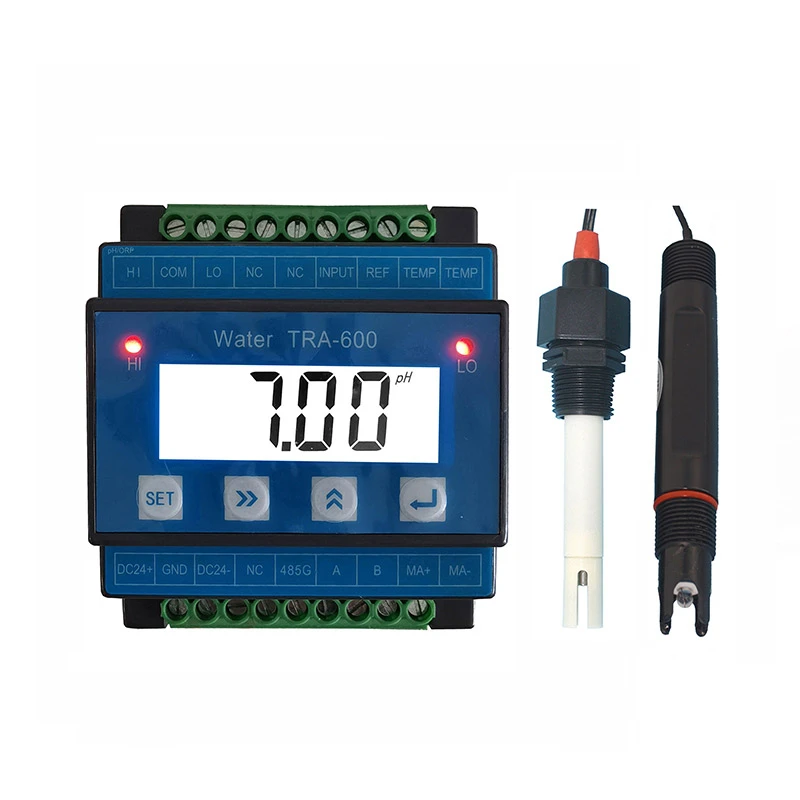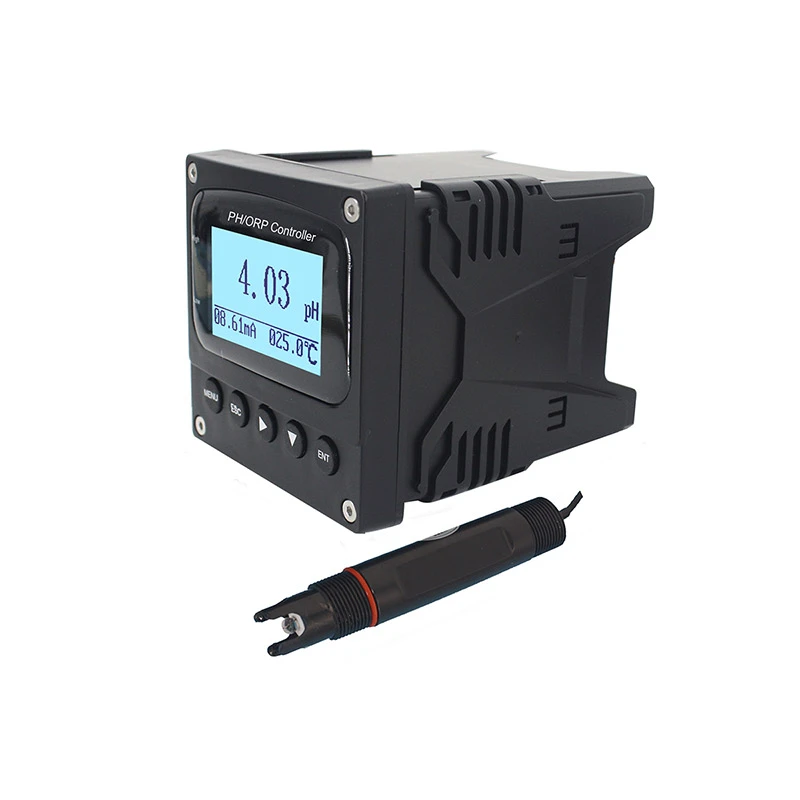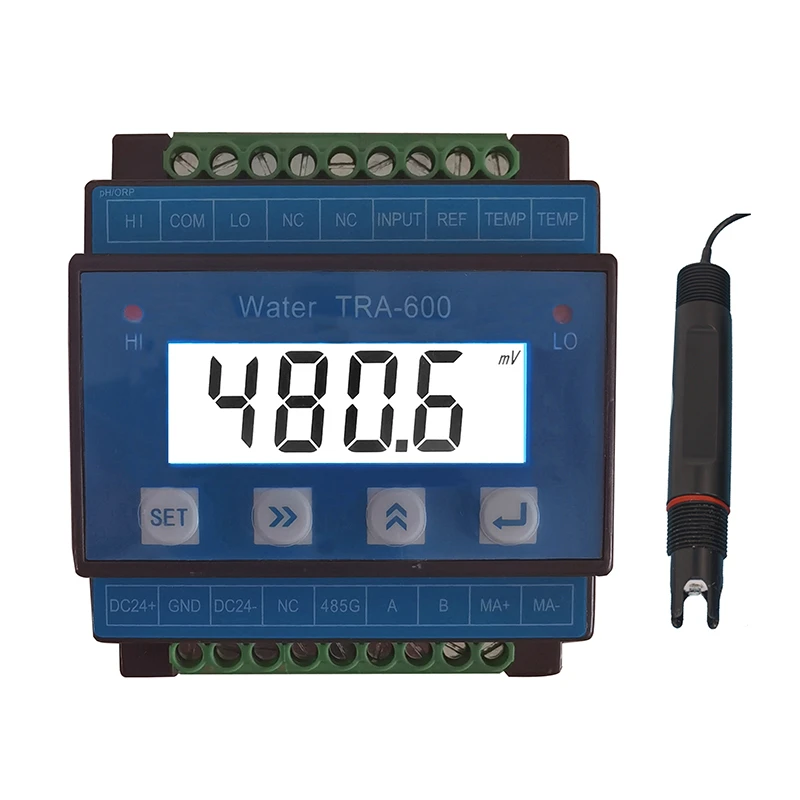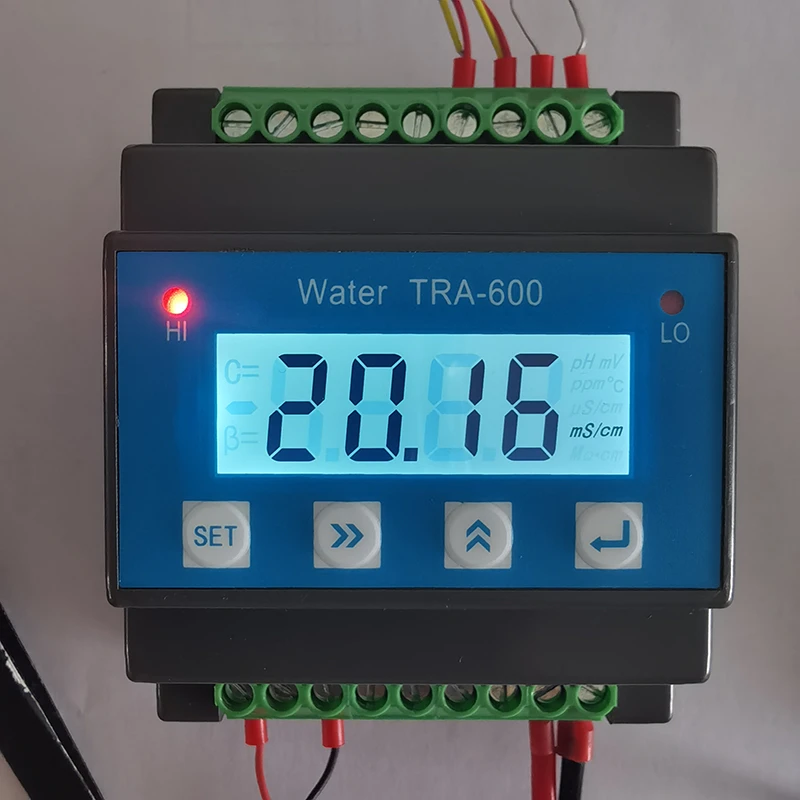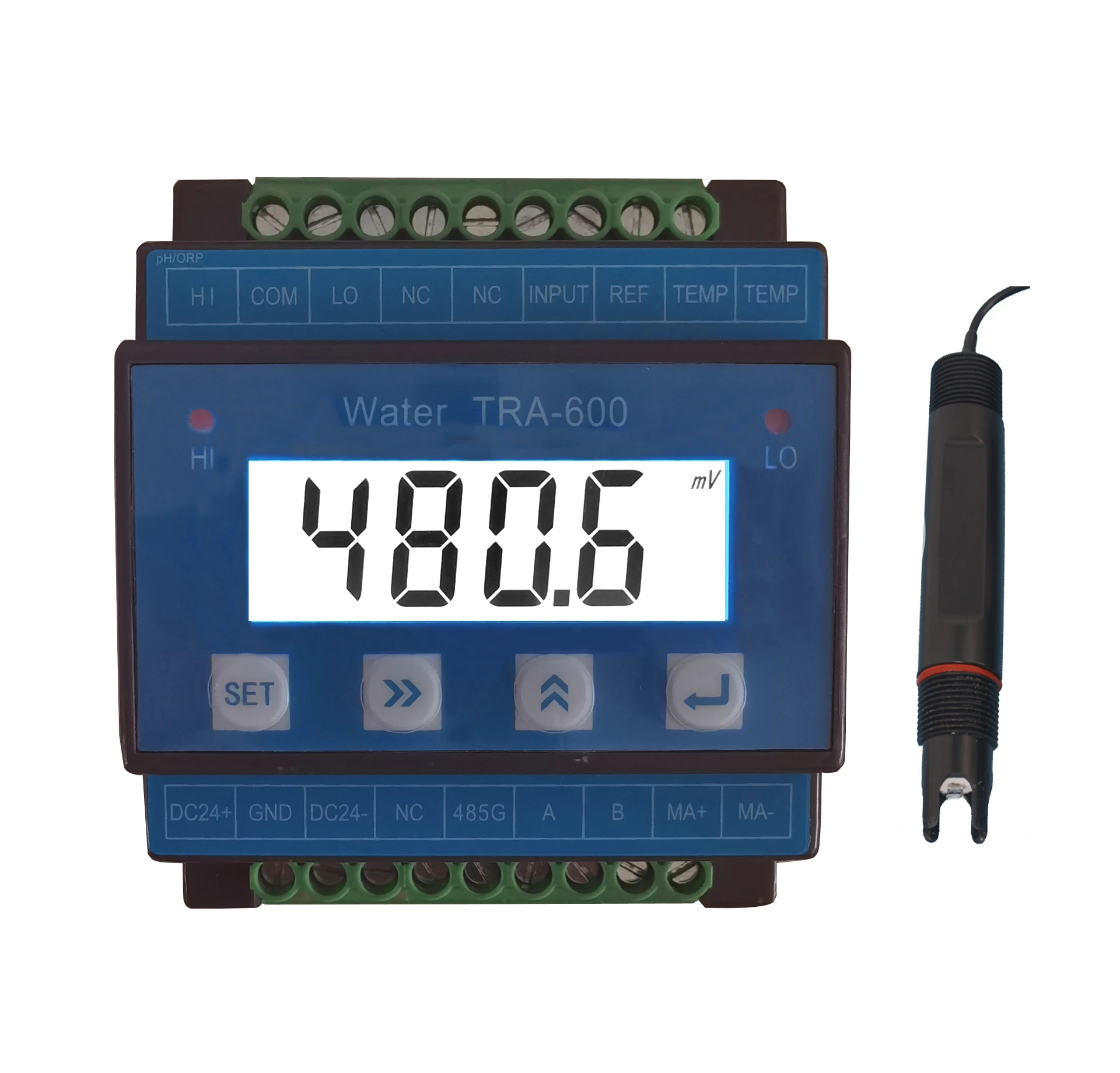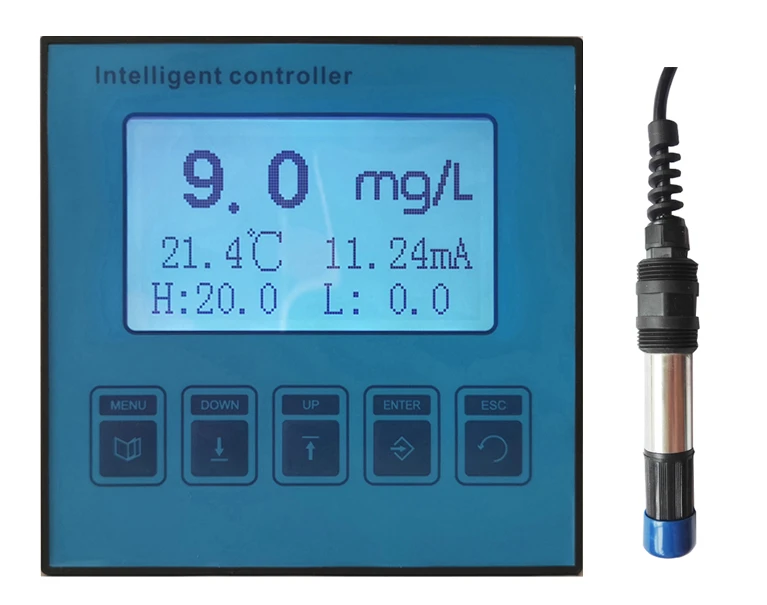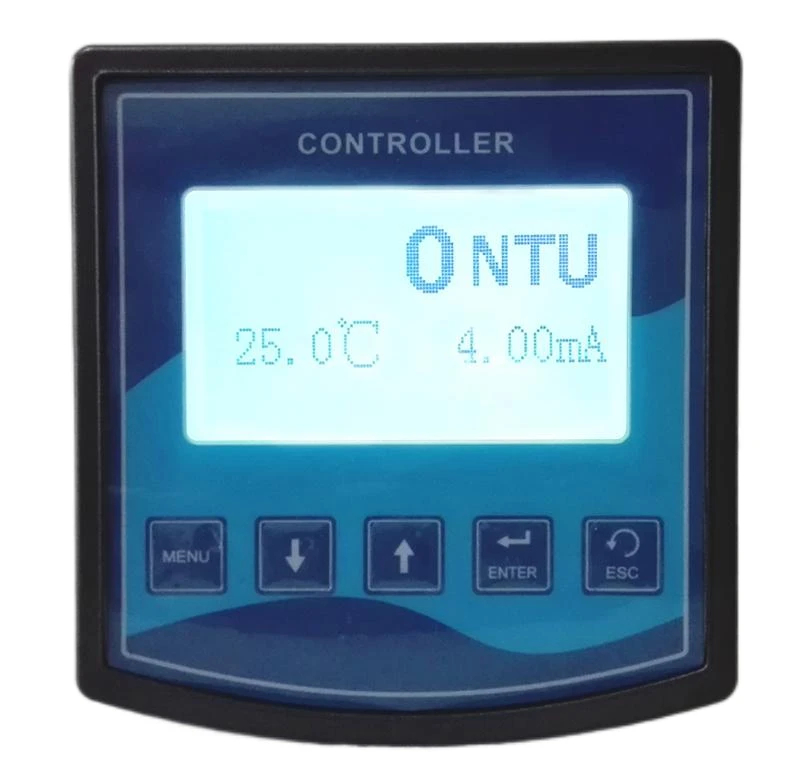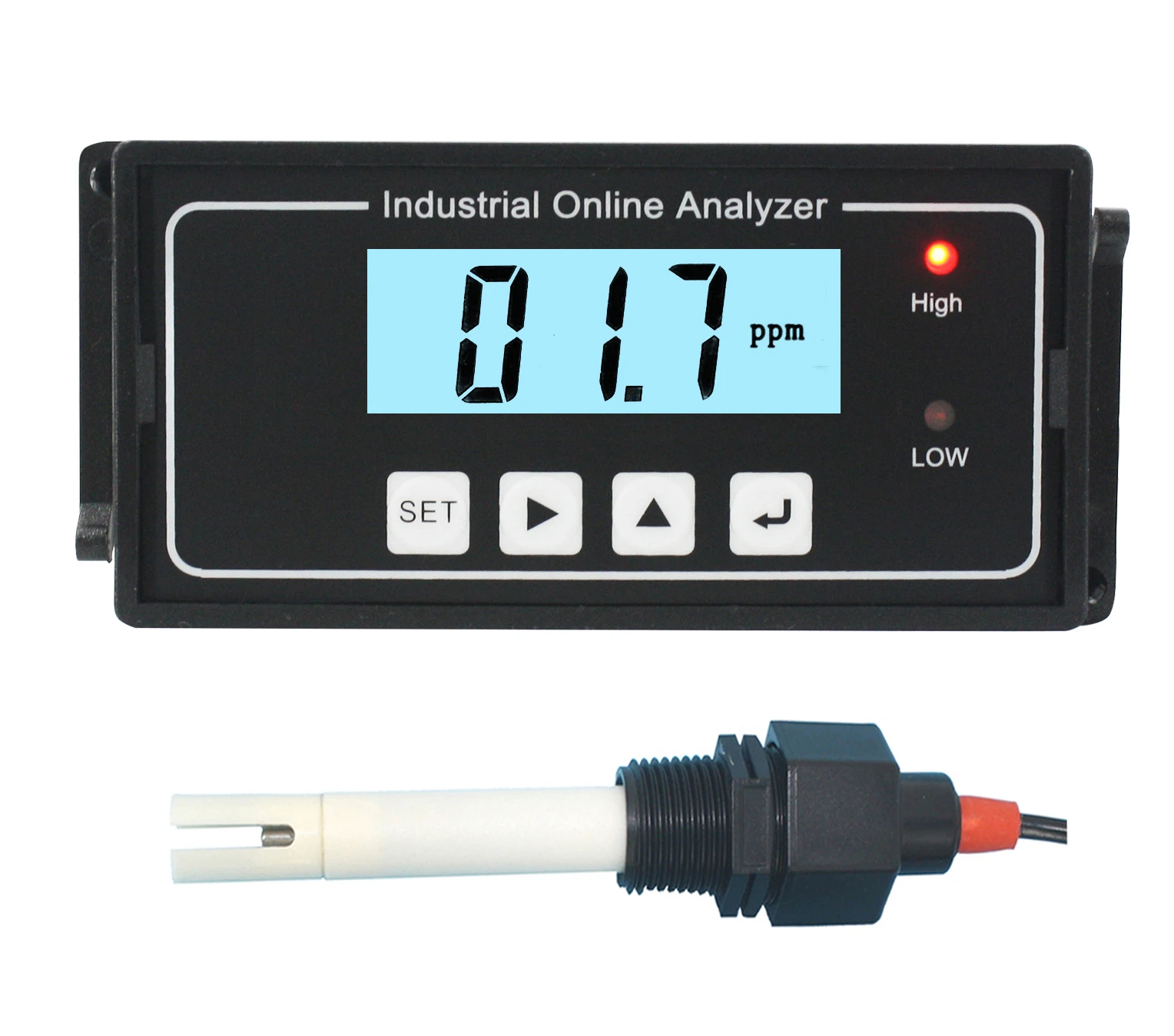
Soil Tester-LCD Screen

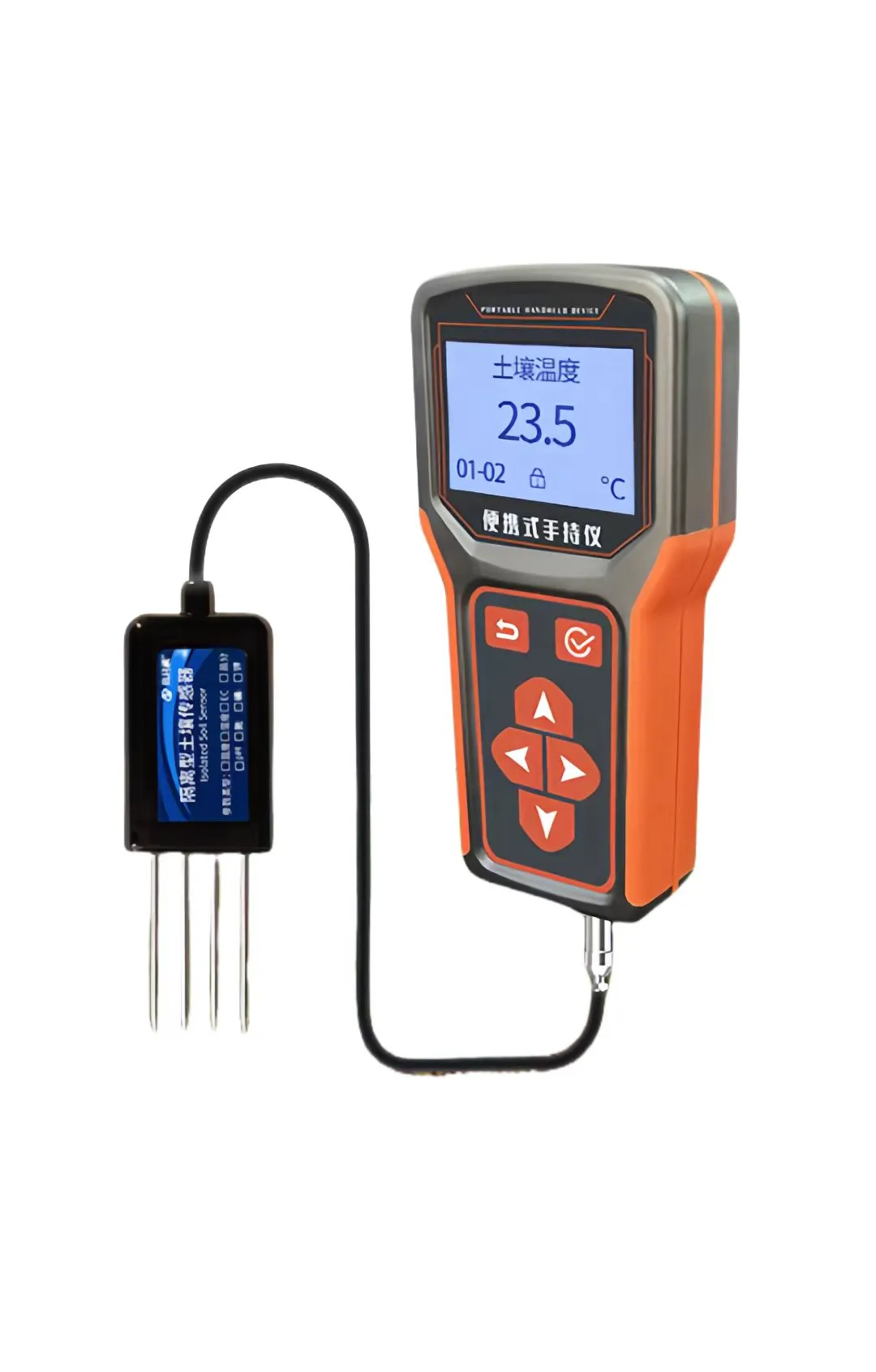
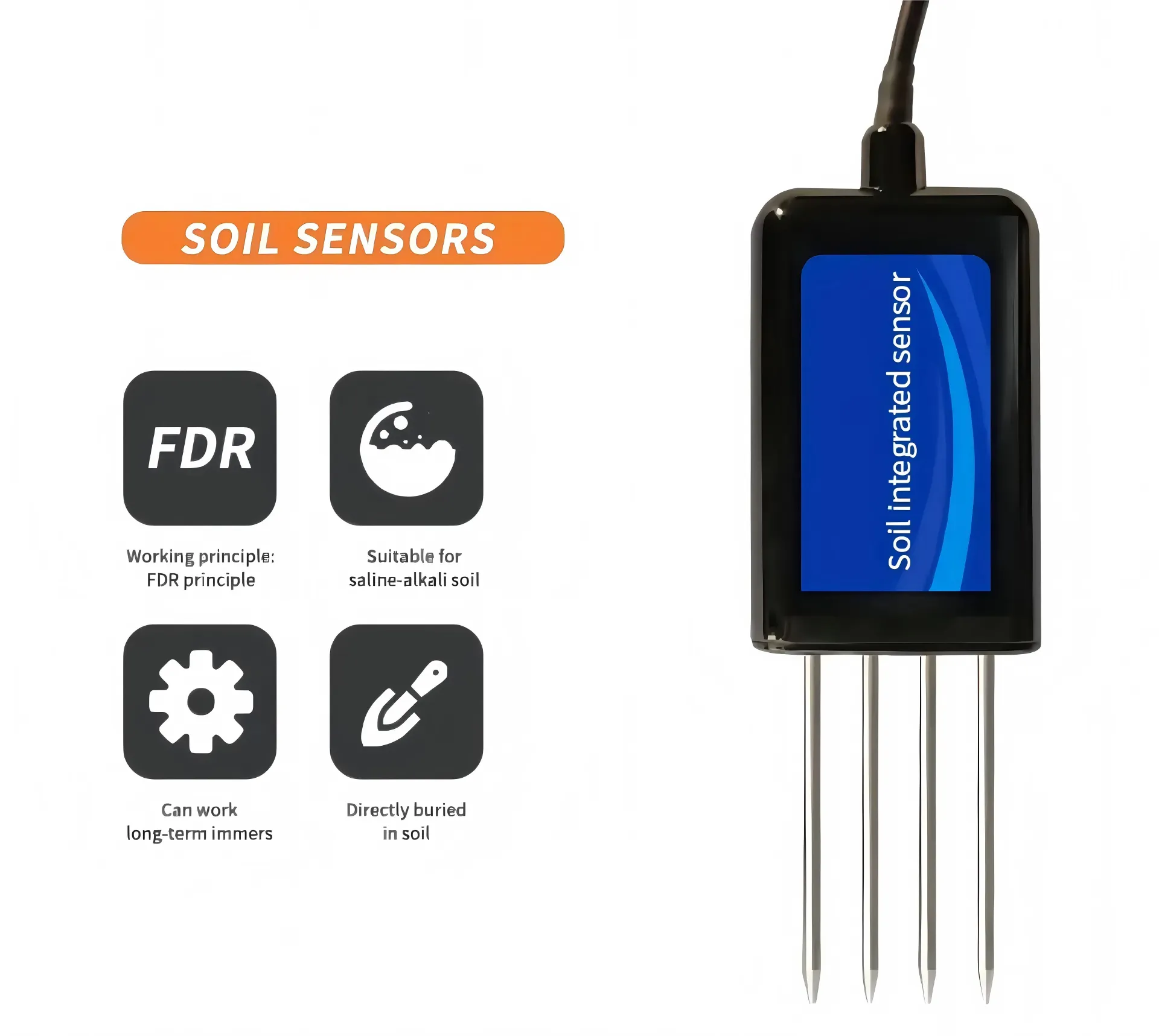
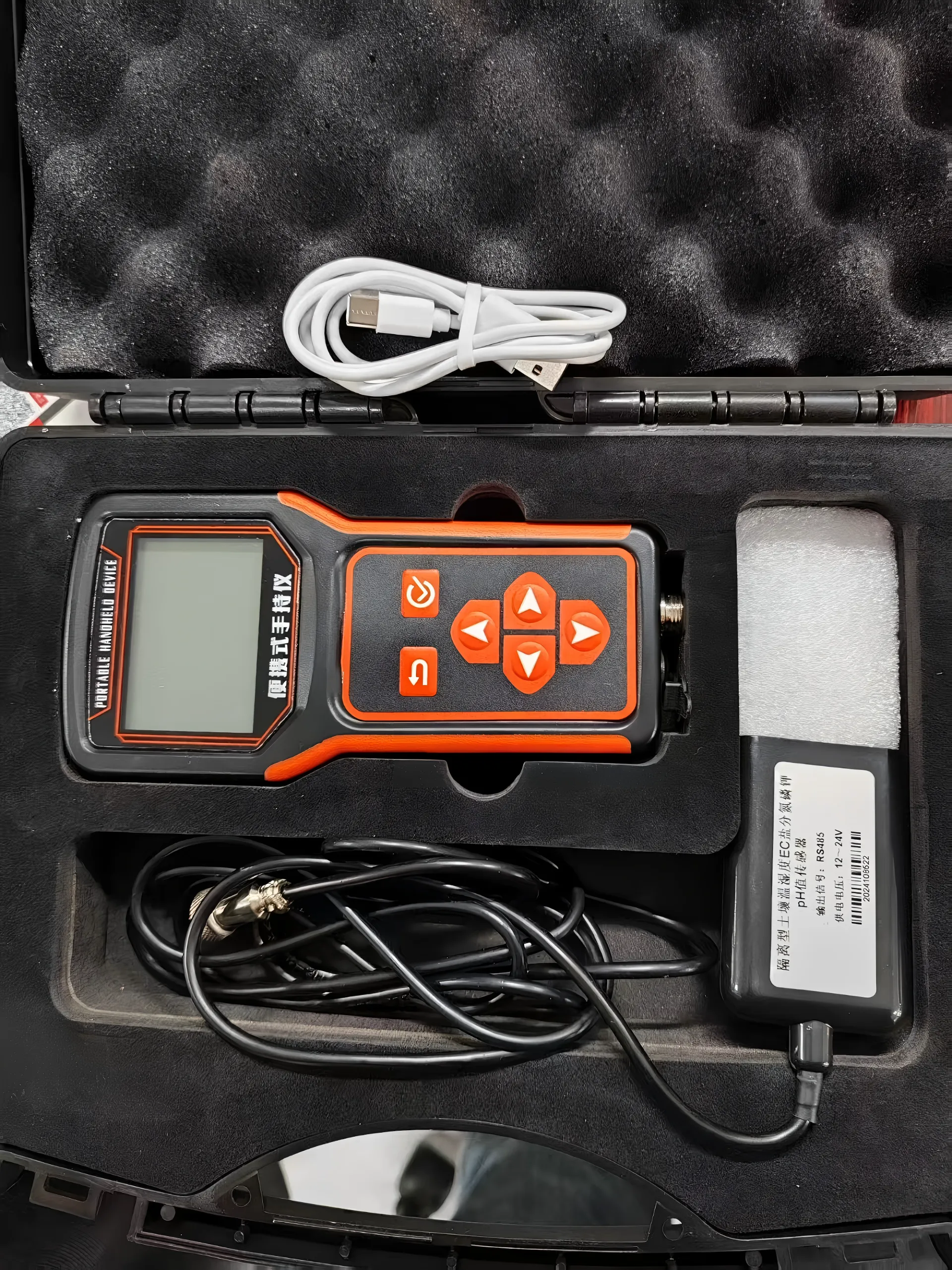
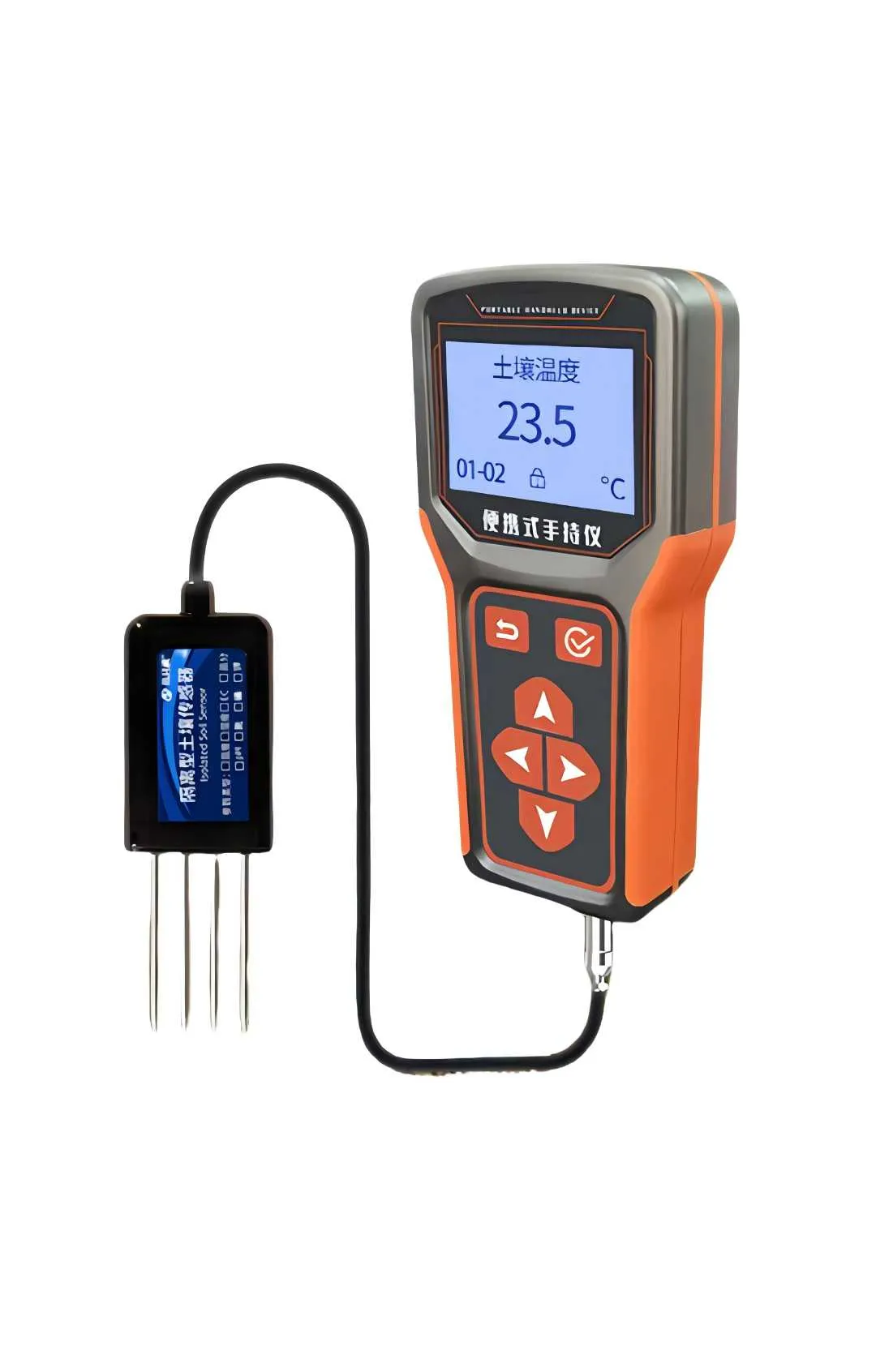
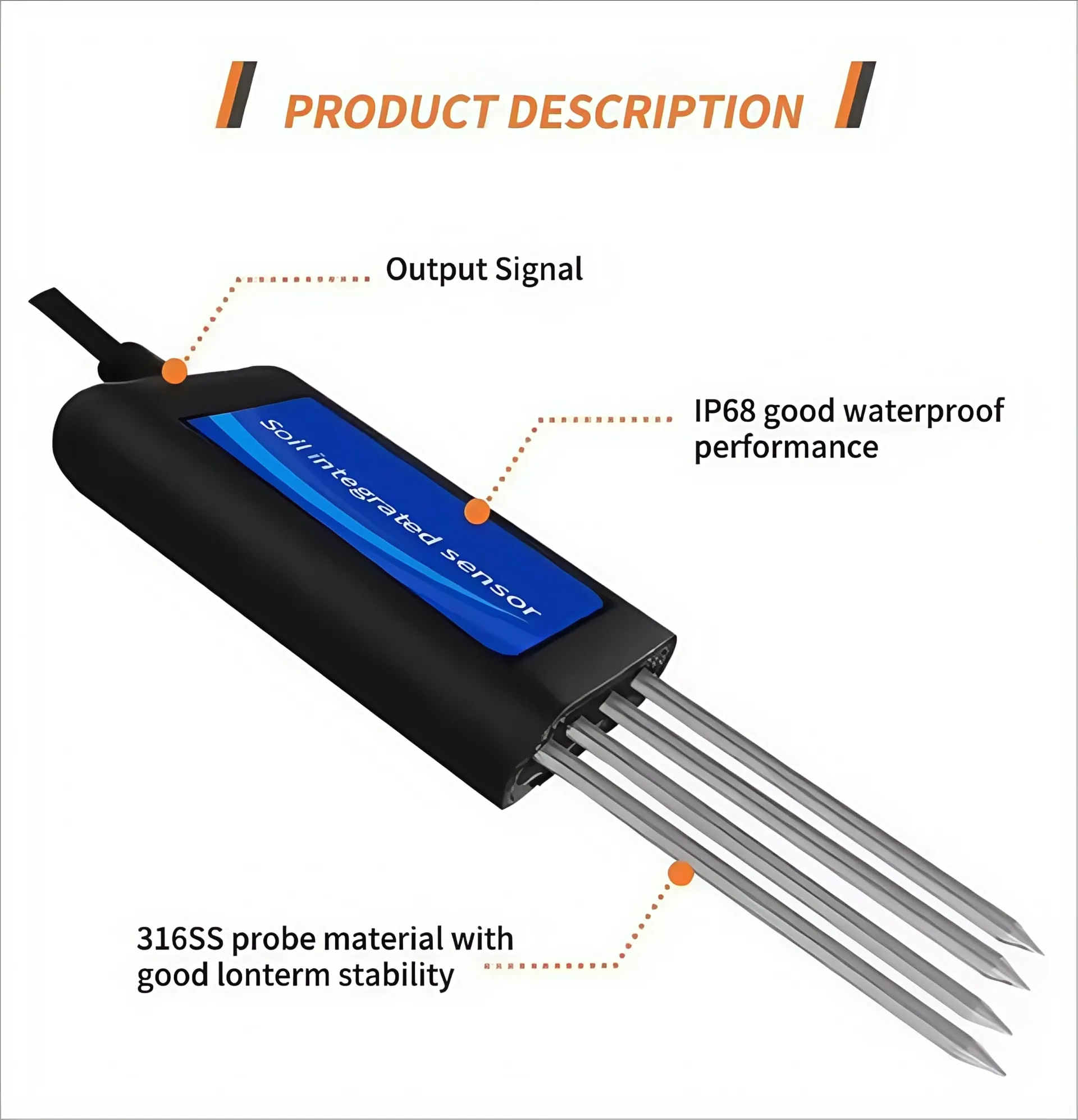
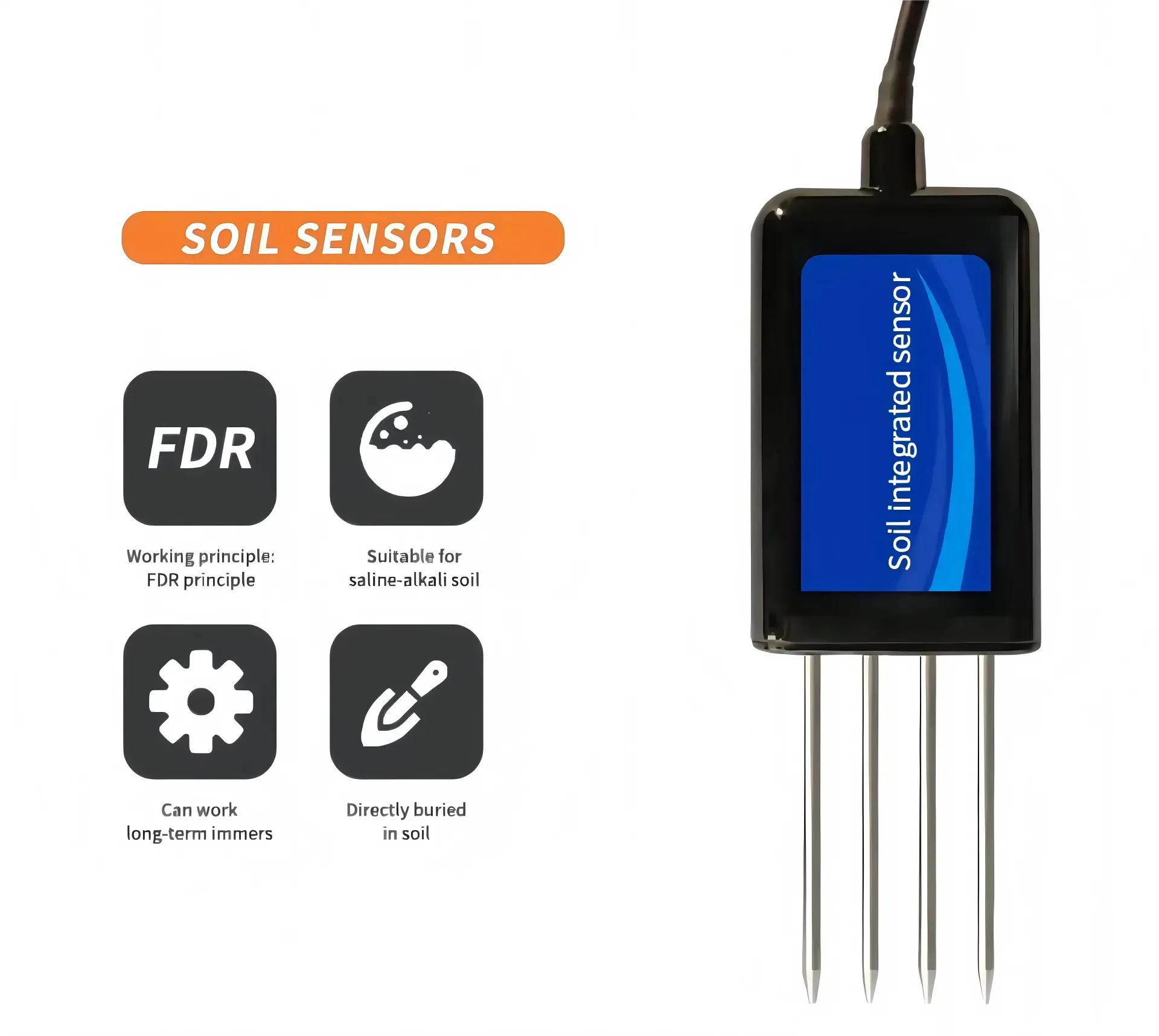
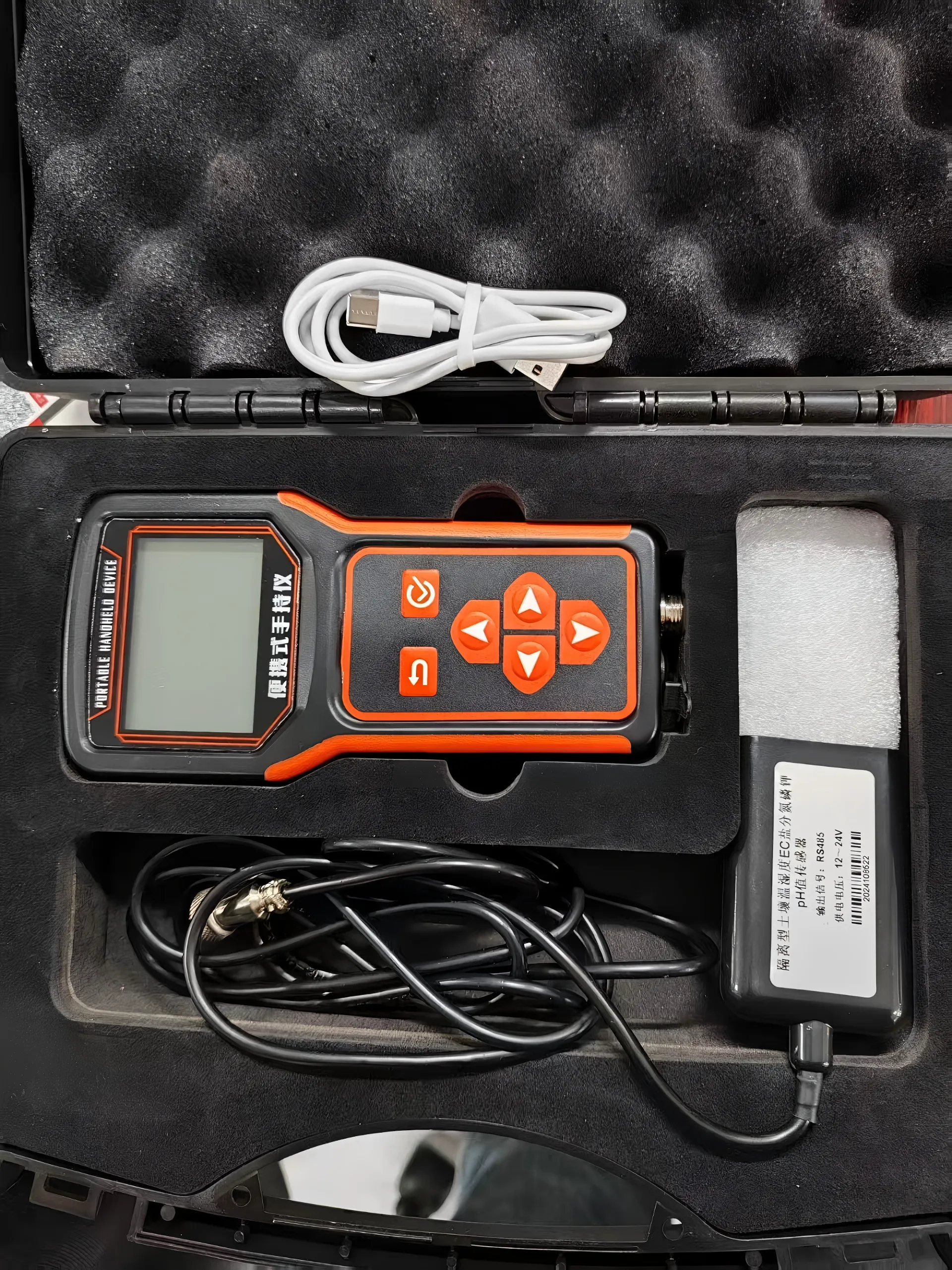
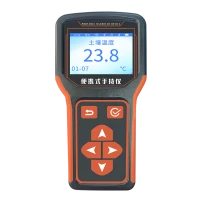
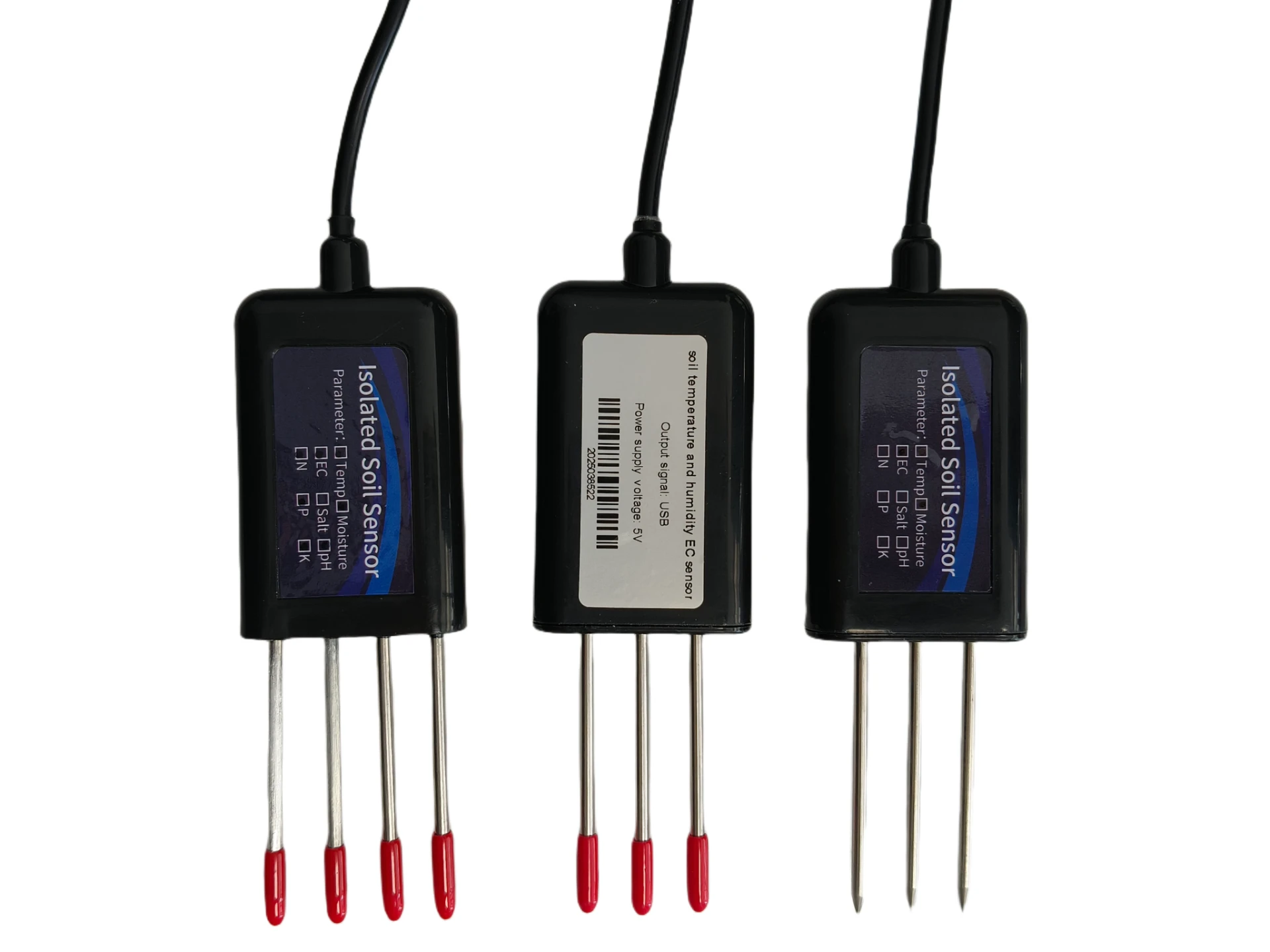
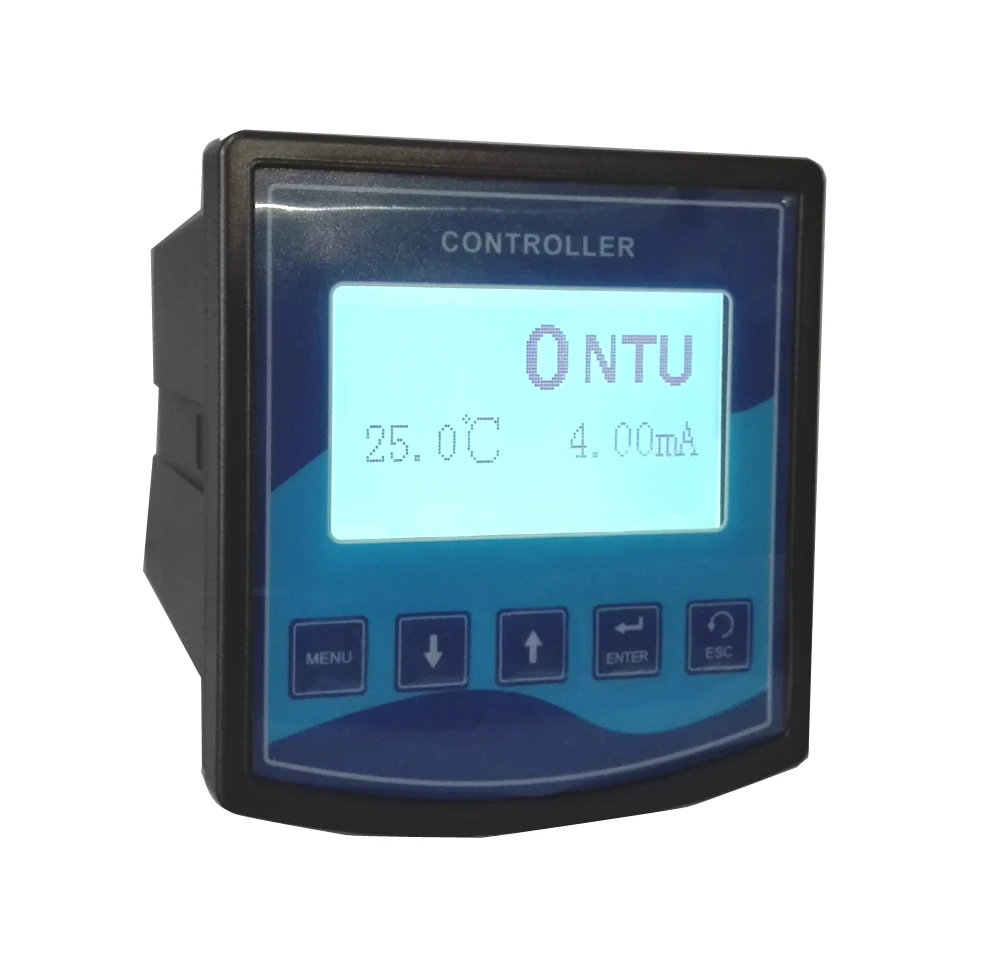
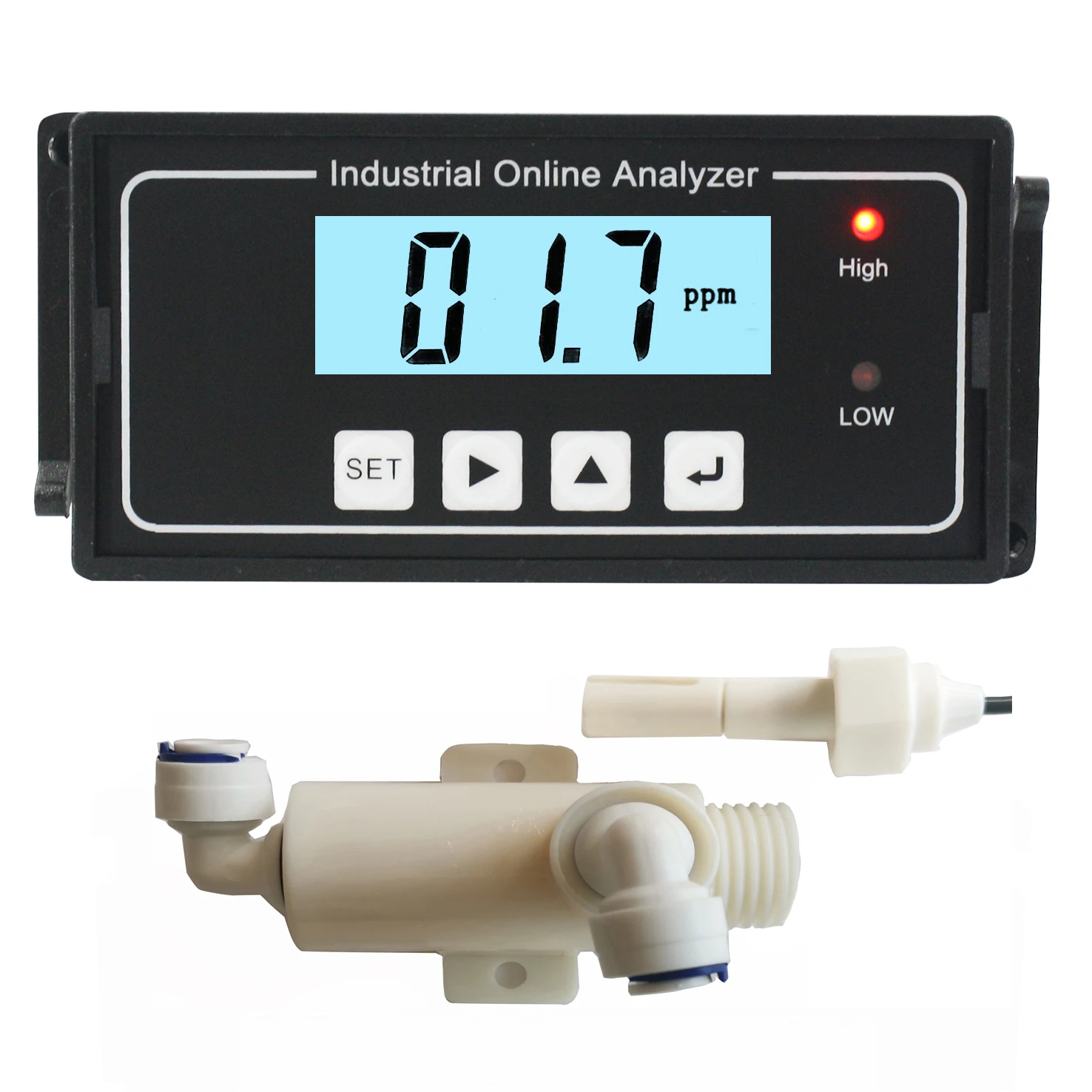
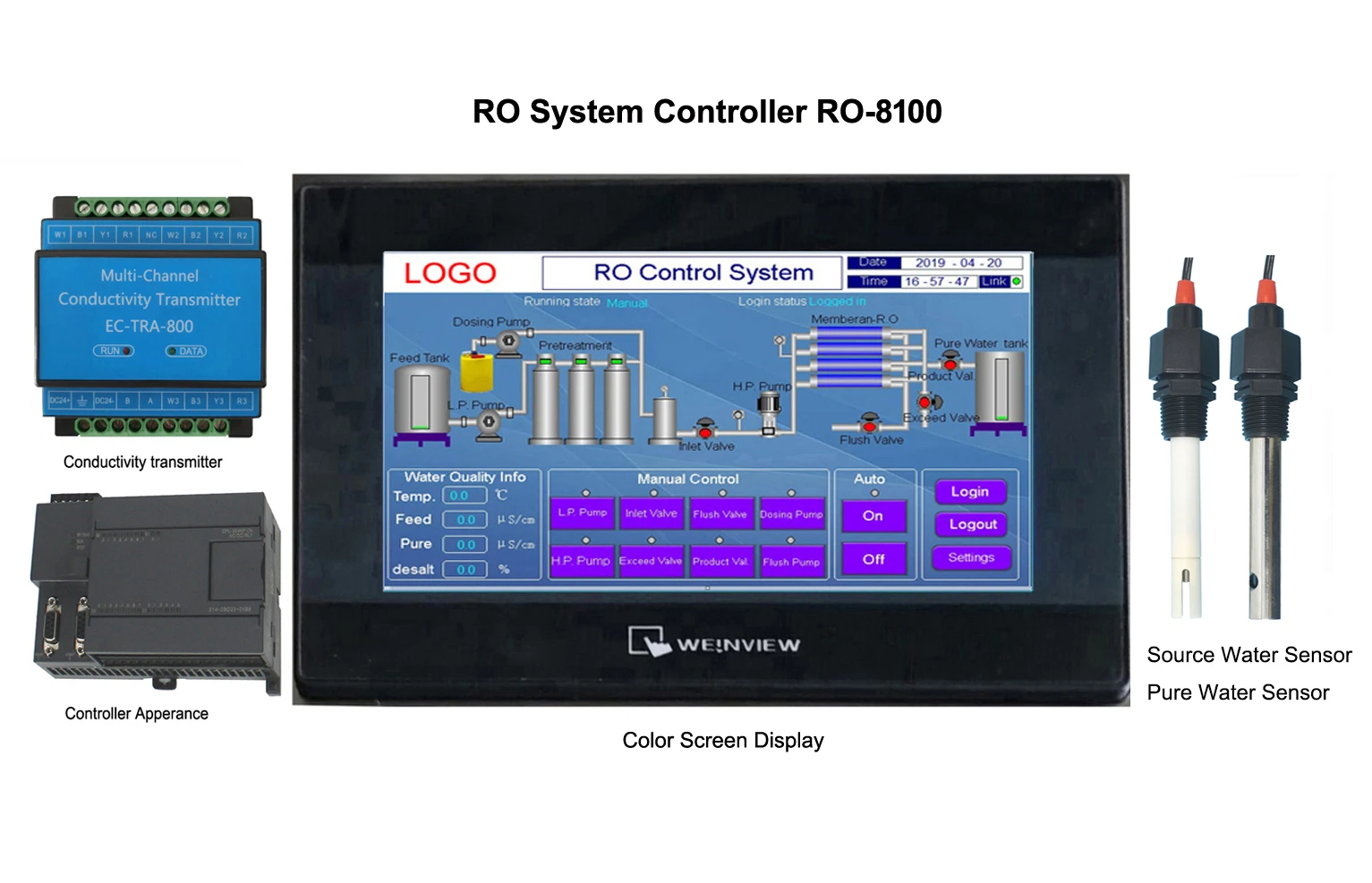
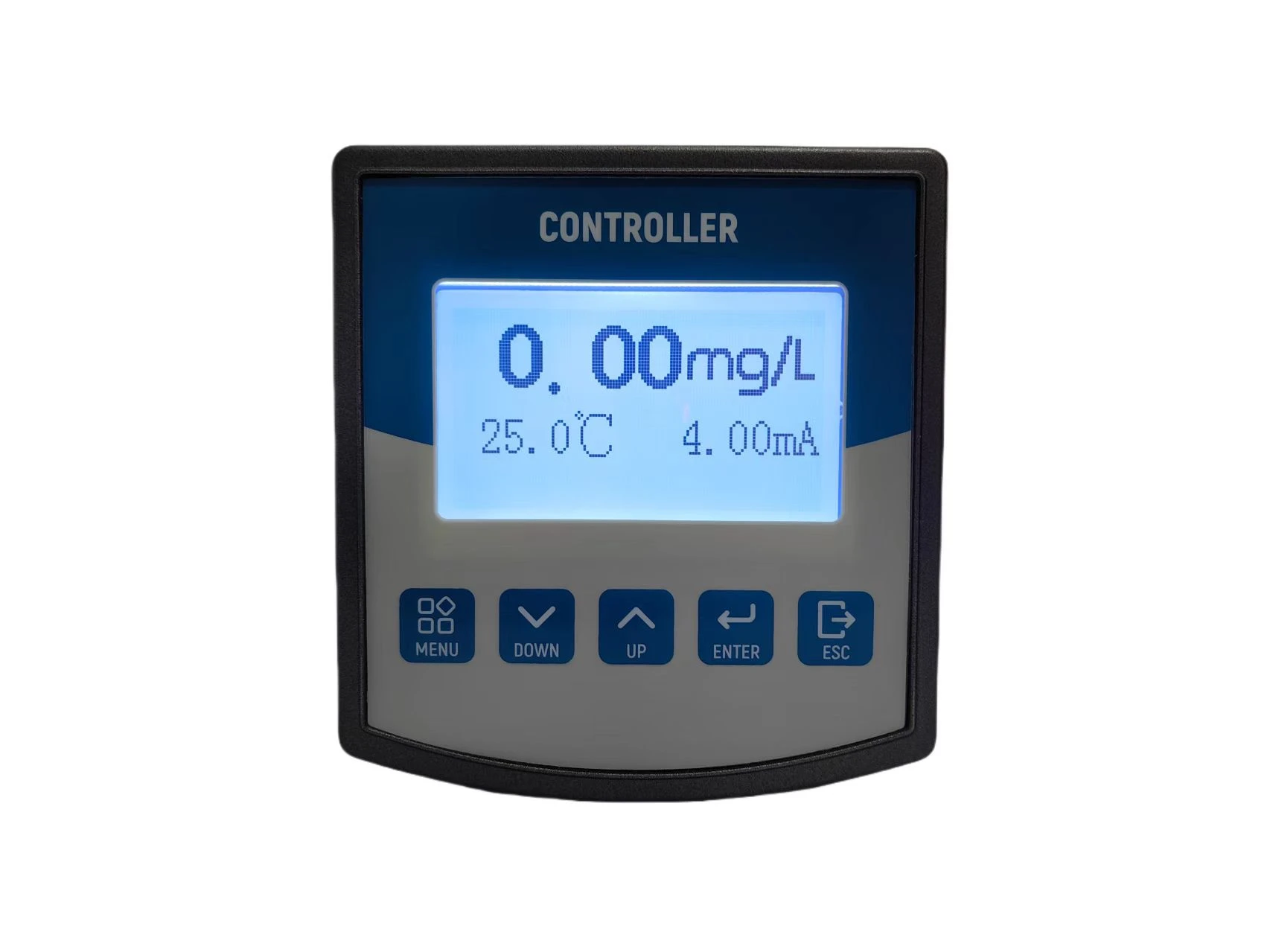
Soil Tester - LCD Screen Code: F-STH-LCD It is a user - friendly device applied for clearly displaying soil parameters like pH, moisture and nutrient levels, facilitating convenient soil analysis.

Product Details

Product Details

Contact Now

Contact Now

Product Details

Product Paramenters

Temperature range -30~70℃
Moisture range 0~100%
Conductivity range 0~2000us/cm, 0~10000us/cm, 0~20000us/cm
pH range 3~10
Nitrogen/phosphorus/potassium range 0~1999mg/kg
Measurement accuracy ±0.2°℃;±2%;±2%;±1;±2%;±3%(mg/kg)
Resolution 0.1℃;0.1%;1μs/cm;0.01;1μs/cm;1mg/kg
Supply voltage 5~24V DC
Communication protocol ModBus-RTU
Output signal RS485
Working range -30℃~70℃
Stabilization time < 1 second
Response time < 1 second
Protection grade IP68 waterproof grade
Sealing material Black flame retardant epoxy resin
Default cable length 2m(Can be customized as required)

Details Images

Soil Tester-LCD Screen

Soil Tester-LCD Screen

Soil Tester-LCD Screen

Soil Tester-LCD Screen

Get in Touch

If you are interested in our products, you can choose to leave your information here, and we will be in touch with you shortly.

* Name

* E-mail

Phone

*Message

FAQS

Frequently Asked Questions FAQ About Soil Tester-LCD Screen

1. Is the display on the LCD screen easy to read?

Down Down

Absolutely. The Soil Tester - LCD Screen features a high - contrast, backlit display that ensures clear visibility even in bright sunlight or low - light conditions. The large - sized digits and icons are designed for easy interpretation, making it straightforward for users to quickly understand soil parameter readings.

2. Can the LCD screen show all the measured soil parameters at once?

Down Down

The screen is programmed to cycle through the key measured parameters such as soil pH, moisture content, nutrient levels (nitrogen, phosphorus, potassium), and electrical conductivity. You can also manually navigate through the readings using the control buttons to view specific parameters as needed.

3. What if the LCD screen doesn't display any data?

Down Down

First, check if the device is properly powered on. Ensure that the battery is charged or the power cable is securely connected. If the issue persists, it could be a calibration problem. Refer to the user manual for step - by - step calibration instructions. If further assistance is required, our customer support team is available to help troubleshoot.

4. Is the LCD screen durable and resistant to outdoor elements?

Down Down

Yes, the Soil Tester - LCD Screen is built with a rugged, waterproof casing that protects it from rain, dust, and other outdoor hazards. The screen itself is made of scratch - resistant material, ensuring long - term durability and reliable performance in various environmental conditions.

5. How long does the LCD screen last?

Down Down

6. How long does the LCD screen last? The LCD screen is designed for a long lifespan, typically lasting for several years under normal usage conditions. With proper care and maintenance, such as avoiding physical damage and extreme temperature exposure, you can expect consistent and reliable display performance over time.
13                  


Related Products

right
right
WS-9300/9350

WS-9300/9350

WS-9200/9250

WS-9200/9250

WS-9200/9250

WS-9200/9250

JIRS-803C

JIRS-803C

JIRS-803C3

JIRS-803C3

JIRS-803C4

JIRS-803C4

JIRS-803C5

JIRS-803C5

Soil Sensor

Soil Sensor

Related News

right
right
Comprehensive Guide to Auto Water Samplers for Accurate Water Quality Monitoring

Mar.07,2026

Comprehensive Guide to Auto Water Samplers for Accurate Water Quality Monitoring

In environmental monitoring, water quality analysis, and industrial processes, obtaining representative water samples is critical. Auto water samplers provide a reliable and efficient solution for collecting water samples automatically, reducing the need for manual intervention and minimizing the risk of contamination. This article will delve into the features, benefits, applications, and key considerations when selecting an auto water sampler. Whether you're involved in wastewater treatment, stormwater runoff monitoring, or scientific research, understanding these devices is essential. An auto water sampler, also known as an automatic water sampler, is a device designed to collect water samples at predetermined intervals or based on specific triggers, such as flow rate or water level. These samplers typically consist of a pump, a sample collection container (usually bottles), a control panel, and often, a flow meter or sensor. The control panel allows users to program sampling schedules, volume per sample, and other parameters.

Choosing the Right Portable Water Sampler for Accurate Environmental Analysis

Mar.06,2026

Choosing the Right Portable Water Sampler for Accurate Environmental Analysis

In environmental monitoring, research, and quality control, obtaining representative water samples is crucial for accurate analysis. A portable water sampler allows for convenient and reliable sample collection in the field, eliminating the need for on-site laboratories. This article will explore the benefits of using a portable water sampler, the factors to consider when choosing one, and the applications where they prove invaluable. Understanding your specific needs is the first step to selecting the ideal sampler for your operations. Traditional water sampling methods can be time-consuming and prone to contamination. A portable water sampler offers several advantages. It enables sampling from remote locations, minimizes sample degradation by reducing transit time, and provides greater control over the sampling process.

Comprehensive Guide to Portable Automatic Water Samplers for Accurate Data Collection

Mar.05,2026

Comprehensive Guide to Portable Automatic Water Samplers for Accurate Data Collection

In environmental monitoring and water quality analysis, accurate and reliable data collection is paramount. Portable automatic water samplers provide a crucial solution for collecting representative water samples at pre-programmed intervals, eliminating the need for constant manual intervention. This article delves into the features, benefits, applications, and key considerations when choosing a portable automatic water sampler. Whether you're monitoring wastewater discharge, assessing river pollution, or conducting research, selecting the right sampler is vital for obtaining dependable results. Automatic water samplers offer numerous advantages over traditional manual sampling methods. They provide consistent and representative samples, reducing the potential for human error and bias. The ability to program sampling schedules allows for capturing time-varying events, such as peak pollutant loads or diurnal fluctuations.

Comprehensive Guide to Water Depth Samplers and Their Applications

Mar.04,2026

Comprehensive Guide to Water Depth Samplers and Their Applications

Accurate water quality monitoring is crucial in various fields, from environmental science and aquaculture to industrial wastewater management. A key tool for this is the water depth sampler. This article provides an in-depth look at water depth samplers, their applications, types, and essential considerations for choosing the right one for your needs. We'll explore the benefits of utilizing this equipment to collect reliable data for analysis and informed decision-making. Selecting the right sampler can significantly improve the precision and efficiency of your water monitoring program. A water depth sampler, also known as a depth-integrated sampler, is a device designed to collect water samples from specific depths within a body of water. Unlike simply dipping a container into the water, a depth sampler allows for collection of a representative sample across a defined depth range. This is critical because water properties (temperature, salinity, pollutants) often vary significantly with depth. The data gathered with a water depth sampler provides a more accurate assessment of water quality than surface samples alone.

Comprehensive Guide to Horizontal Water Sampler Applications and Selection

Mar.03,2026

Comprehensive Guide to Horizontal Water Sampler Applications and Selection

Collecting water samples at varying depths is crucial for environmental monitoring, research, and quality control. The horizontal water sampler from Watequipment.com offers a precise and efficient solution for this task. This article provides an in-depth look at horizontal water samplers, their applications, benefits, and key considerations when choosing the right model. We will explore how these samplers contribute to accurate data collection and informed decision-making in various fields. A horizontal water sampler is a device designed to collect water samples from specific depths within a body of water – rivers, lakes, oceans, reservoirs, and even wastewater treatment plants. Unlike vertical samplers which primarily focus on depth, horizontal samplers prioritize collecting samples at a consistent depth while moving along a horizontal plane. This is essential for assessing water quality variations across a waterway or within a specific zone. They are used in applications ranging from environmental monitoring and scientific research to industrial process control and regulatory compliance.

Comprehensive Guide to Selecting the Right Surface Water Sampler for Your Needs

Feb.28,2026

Comprehensive Guide to Selecting the Right Surface Water Sampler for Your Needs

Monitoring the quality of surface water is critical for environmental protection, public health, and various industrial applications. A surface water sampler is an essential tool for collecting representative samples from rivers, lakes, ponds, and other surface water sources. This article provides a detailed overview of surface water samplers, their types, applications, and key considerations for selecting the right equipment. Accurate water quality data relies on proper sample collection, and choosing the correct sampler is the first step toward achieving reliable results. Surface water samplers come in various designs, each suited to specific sampling needs. Common types include grab samplers, depth-integrating samplers, peristaltic pumps, and automatic samplers. Surface water samplers are used across a broad spectrum of applications, including environmental monitoring, wastewater discharge monitoring, drinking water source monitoring, agricultural runoff analysis, and research studies.

Comprehensive Guide to Selecting the Best Water Testing Bottles for Accurate Results

Feb.27,2026

Comprehensive Guide to Selecting the Best Water Testing Bottles for Accurate Results

Maintaining water quality is critical for health, environmental protection, and various industrial processes. Accurate water testing relies heavily on the correct collection and storage of samples. This is where high-quality water testing bottles become essential. This article will explore the different types of water testing bottles, their applications, materials, and how to choose the right bottle for your specific needs. We'll cover everything from sample integrity to regulatory compliance, ensuring you have the knowledge to obtain reliable results. Water testing bottles aren't one-size-fits-all. They come in a variety of types designed for specific analytes and testing methods. Common types include Polypropylene (PP) Bottles, High-Density Polyethylene (HDPE) Bottles, Glass Bottles, Amber Glass Bottles, Sterile Bottles. The correct bottle type ensures the sample remains representative and accurate throughout the testing process. Choosing the wrong bottle can lead to inaccurate results and potentially costly errors.

Comprehensive Guide to Sourcing High Quality Water Bottle Samples for Your Business

Feb.26,2026

Comprehensive Guide to Sourcing High Quality Water Bottle Samples for Your Business

Sourcing the perfect water bottle samples is a crucial step for businesses looking to expand their product offerings, launch new branding, or assess market demand. Whether you’re an importer, retailer, or promotional product distributor, selecting high-quality samples is essential. This article provides a comprehensive guide to navigating the world of water bottle samples, covering materials, customization options, sourcing strategies, and quality control. Effective sampling streamlines your product development, enhances brand perception, and ultimately drives sales. We will explore the key considerations to ensure you secure samples that meet your specific requirements and resonate with your target audience. The material of a water bottle significantly impacts its durability, weight, cost, and suitability for different applications. Common materials include stainless steel, plastic (BPA-free Tritan, polypropylene), glass, and silicone. Stainless steel bottles are known for their durability, temperature retention, and premium feel. Plastic bottles are lightweight and affordable, making them ideal for promotional giveaways.

If you are interested in our products, you can choose to leave your information here, and we will be in touch with you shortly.


en_USEnglish