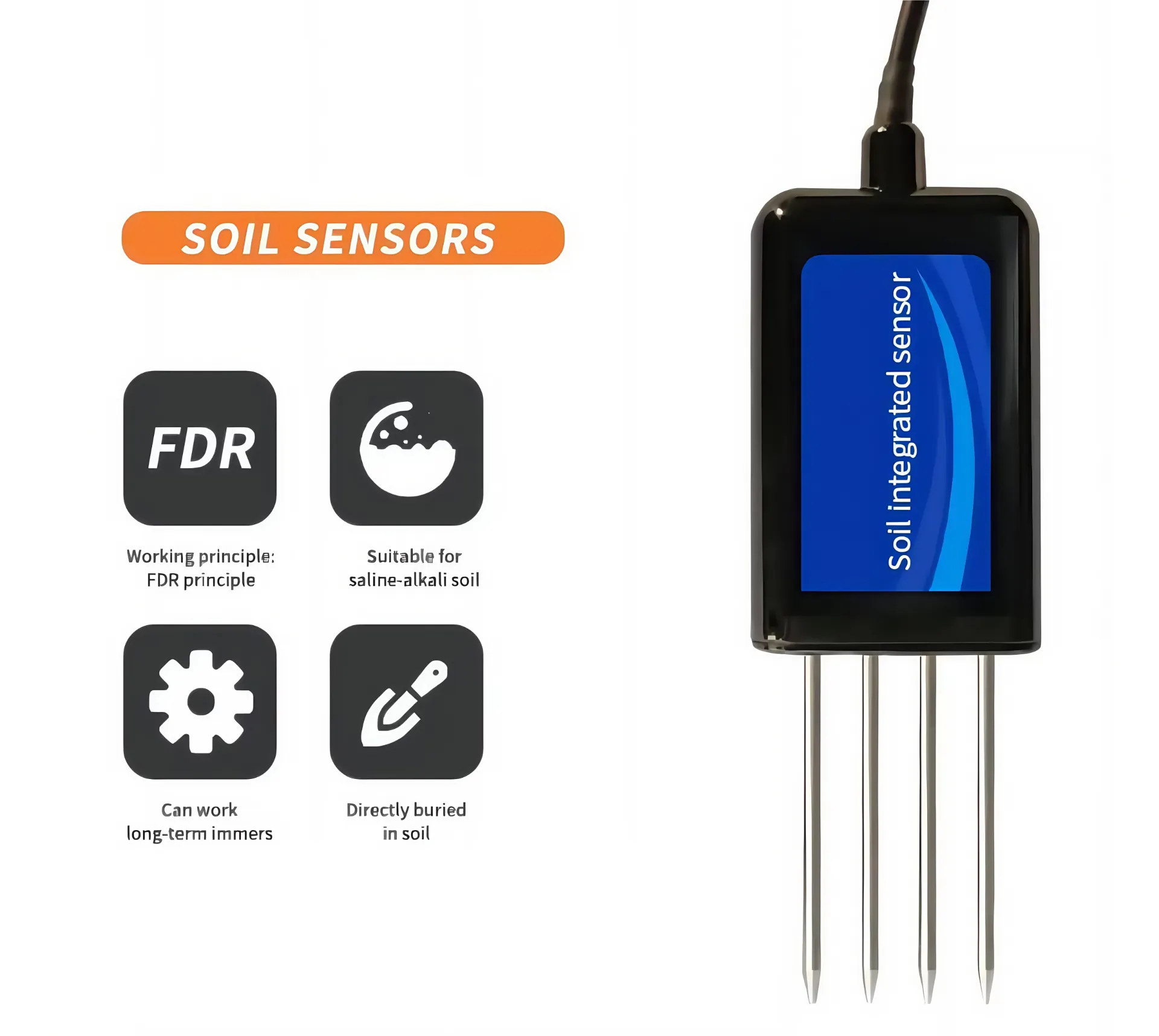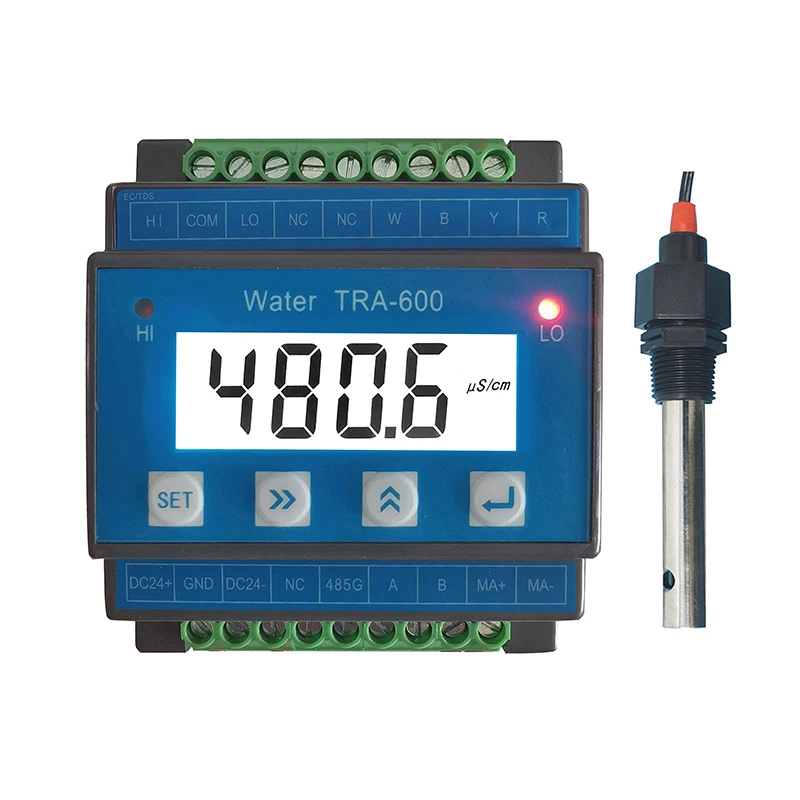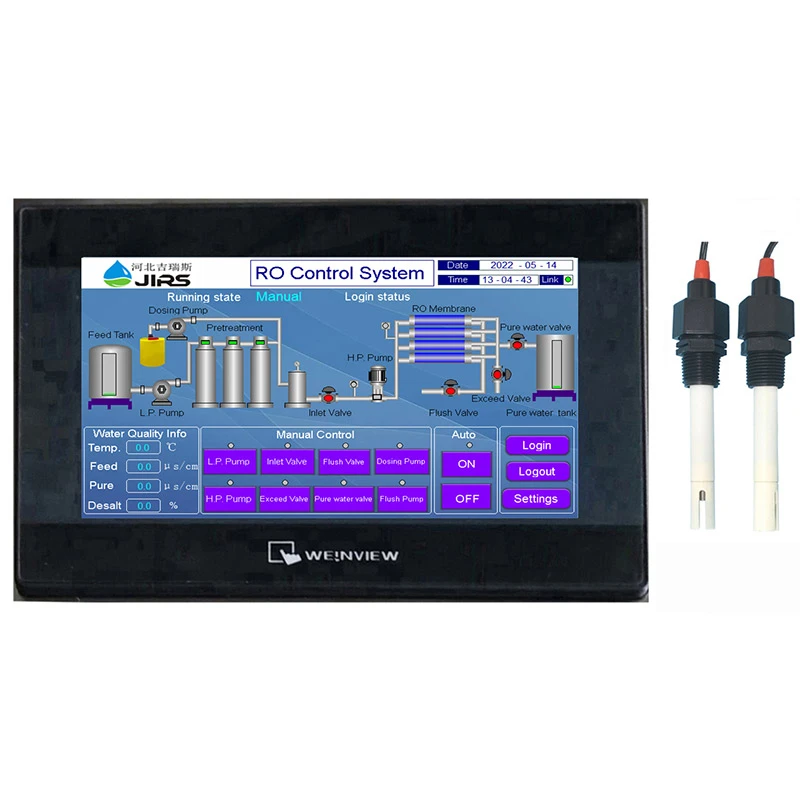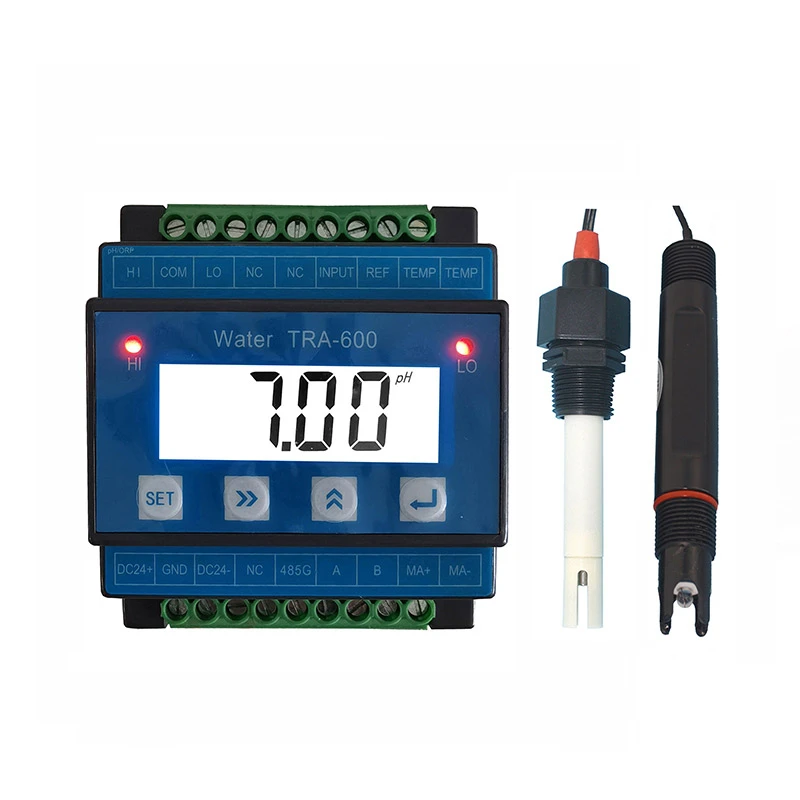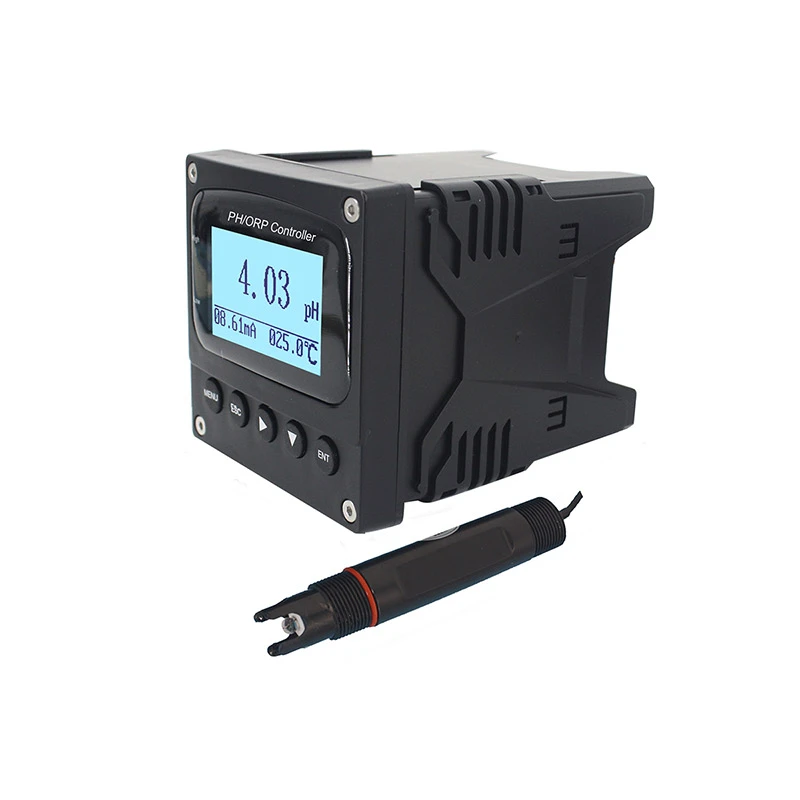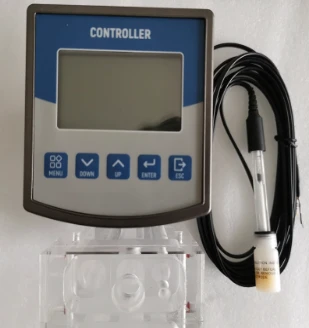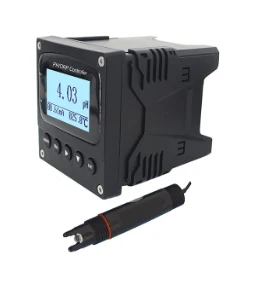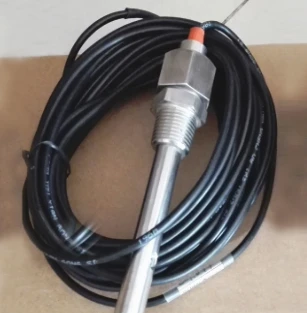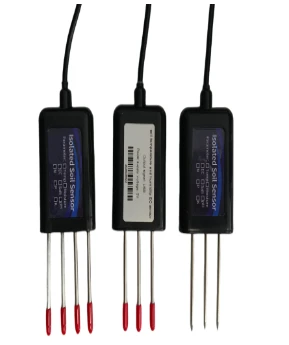

Precision Soil Sensor with AI Analysis

Aug . 01, 2025

Share:

Precision Soil Sensor with AI Analysis

In the era of sustainability and smart agriculture, Soil Sensor technology has rapidly emerged as a fundamental tool for precision environmental monitoring. These advanced devices, also recognized as "soil probes" or "soil analyzers," provide real-time, accurate measurements of vital soil parameters, directly bolstering productivity and sustainability in sectors such as agriculture, landscaping, petrochemical, metallurgy, water management, and environmental engineering.

This in-depth guide explores the latest Soil Sensor industry trends, technical parameters, competitive benchmarks, manufacturing process, and practical application scenarios, enabling stakeholders to make informed decisions for tailored solutions.

  • Global Soil Sensor market size expected to reach $800+ million USD by 2028 (MarketsandMarkets).
  • Integration with IoT, cloud computing, and AI analytics for Big Data-driven soil management.
  • Growing demand for high-frequency, low-power, and multi-parameter sensors.
  • Emerging adoption in smart irrigation, environmental remediation, and automated landscaping.
  • Compliance with global standards: ISO 11277, ISO 11074, ANSI/ASABE S629, and more.
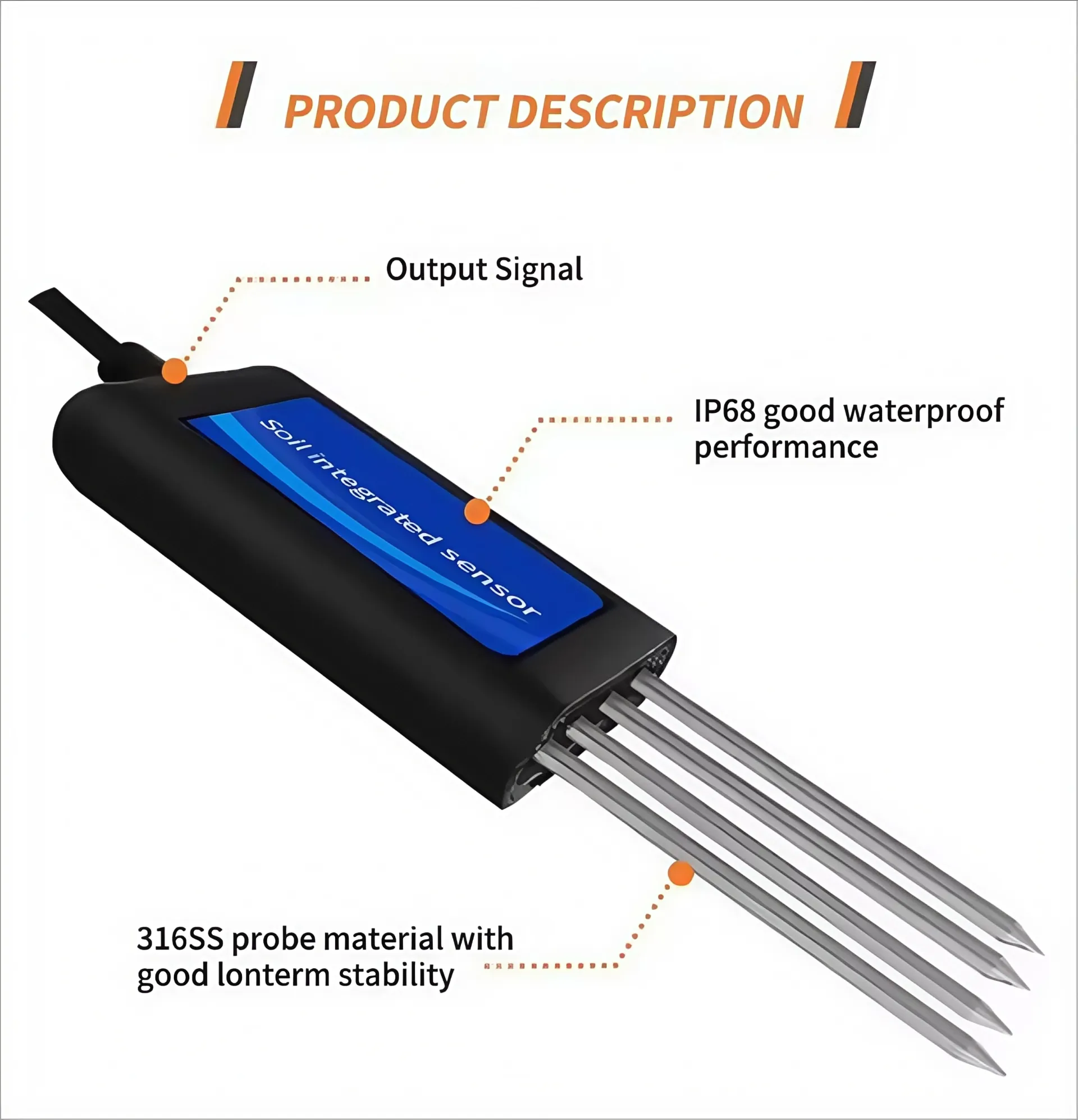
Precision Soil Sensor with AI Analysis

Technical Parameters & Specifications of Soil Sensor

Parameter Typical Value Measurement Range Accuracy Remarks
Soil Moisture 0-100% 0%-100% ±2% Capacitive/Resistive
Soil Temperature -40~85°C -40 to 100°C ±0.2°C Thermistor/RTD
pH Value 3-9 2-12 ±0.1 Glass Electrode
EC (Conductivity) 0-10 mS/cm 0-20 mS/cm ±0.02 mS/cm Platinum Electrode
Signal Output RS485/4-20mA/0-5V - - Modbus/Analog
Power Consumption <60mW 12-24V DC - Low Power Design
Ingress Protection IP67/IP68 - - Dust & Water Proof
Operating Life ≥10 years - - Field-validated
Moisture Measurement Accuracy: Top 3 Soil Sensors
Global Soil Sensor Market by Application (2024)
Precision Soil Sensor with AI Analysis

Manufacturing Process: Soil Sensor Engineering Flow

Precision Soil Sensor with AI Analysis Material Selection
High-grade PC/ABS, 316L Stainless Steel, Platinum, Epoxy Resin
(meets ISO 9001:2015/ANSI)
Precision Soil Sensor with AI Analysis CNC Precision Fabrication
Die-casting, micro-injection, CNC micro-hole processing, electrode micro-welding
Precision Soil Sensor with AI Analysis Component Assembly
Sensor core + microcontroller + anti-corrosive housing assembly (CleanRoom Level 7)
Precision Soil Sensor with AI Analysis Testing & Inspection
Multi-point calibration (NIST traceable), aging test, IP68, ESD & EMC validation, full-trace log
Precision Soil Sensor with AI Analysis Packing & Delivery
Anti-static packaging, serial coding, ISO/ANSI label, global shipping
For a detailed process video, view this video demonstration.
Key Highlights:
  • Material: Industrial grade PC/ABS, 316L stainless steel for probe, Platinum/Glass electrode for EC/pH (ISO 11277, FDA, RoHS compliant)
  • Process: High-tolerance CNC shaping, vacuum encapsulation, ultrasonic sealing (±0.02mm tolerance)
  • Standard: Full compliance with ISO 11277, ANSI/ASABE S629, GB/T 22314, CE/EMC safety certification
  • Durability: Designed for ≥10-year outdoor operation, IP67/IP68 ingress protection, anti-UV and anti-corrosive surfaces for extreme soil conditions
  • Industries: Agriculture, Landscaping, Petrochemical, Metallurgy, Water/Wastewater Management, Urban Construction, Research
Precision Soil Sensor with AI Analysis

Soil Sensor Competitive Comparison (2024)

Brand Model Core Material Moisture Accuracy Output Signal Ingress Protection Life Span Certifications
WATEQUIPMENT ST-500 PRO 316L SS+PC/ABS ±2% RS485, 4-20mA, 0-5V IP68 ≥10 years ISO, CE, RoHS, FCC
SoilTech X5 304 SS+ABS ±2.5% RS485, Analog IP67 8 years CE, FCC
AgroSense 220 Brass+ABS ±3.0% Analog IP65 5 years CE
XYZ Enviro AquaProbe 304 SS+Plastic ±3.5% 0-5V IP65 4 years CE, EMC
The Soil Sensor by WATEQUIPMENT leads with superior accuracy, industry-grade durability, and robust global certifications (ISO, CE, RoHS, FCC), making it a preferred choice for mission-critical deployments.

Customized Soil Sensor Solutions

Why Choose Customized Soil Sensor?
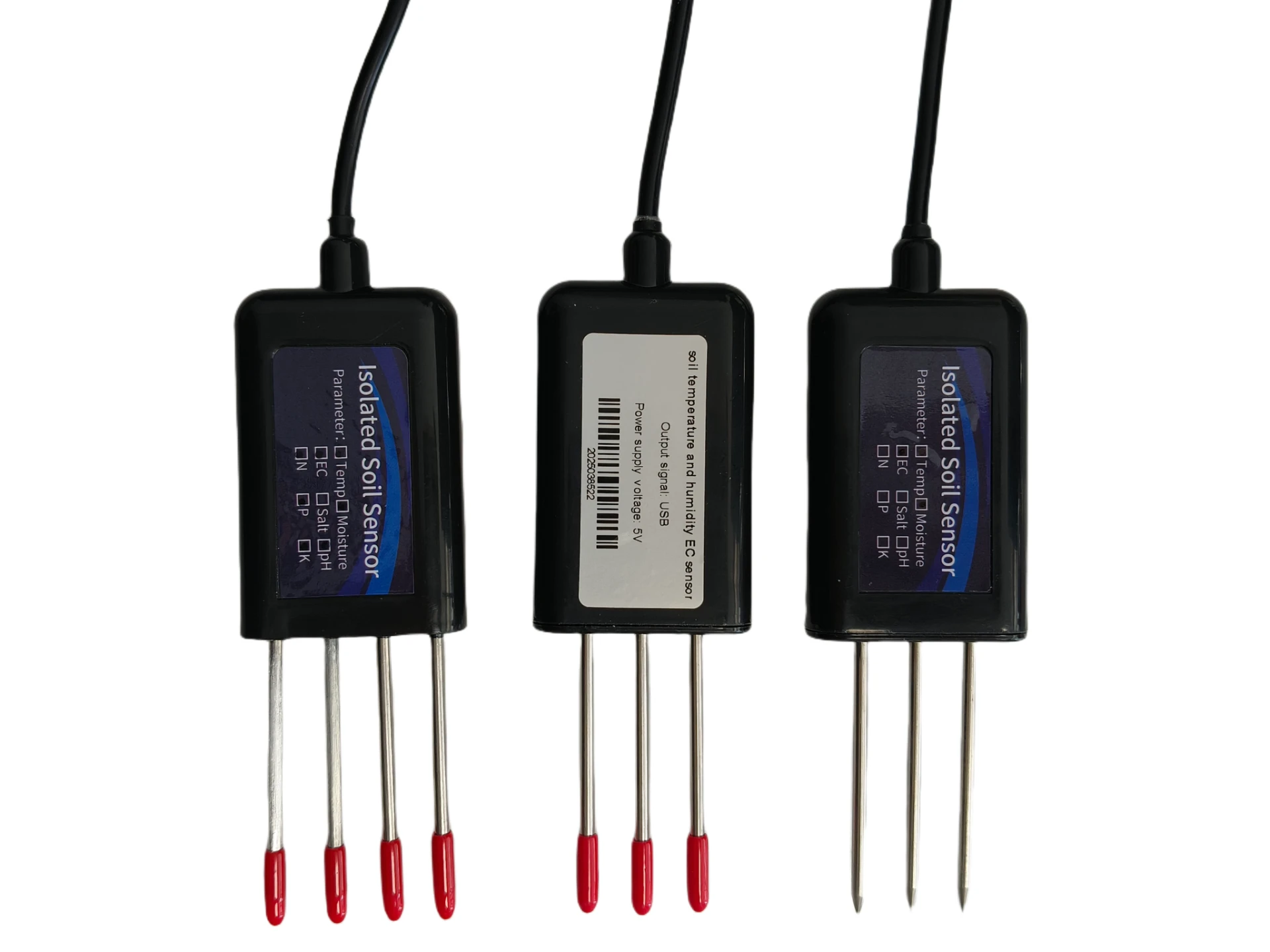
  • Multi-parameter integration: Temperature, EC, Salinity, pH, NPK in one device
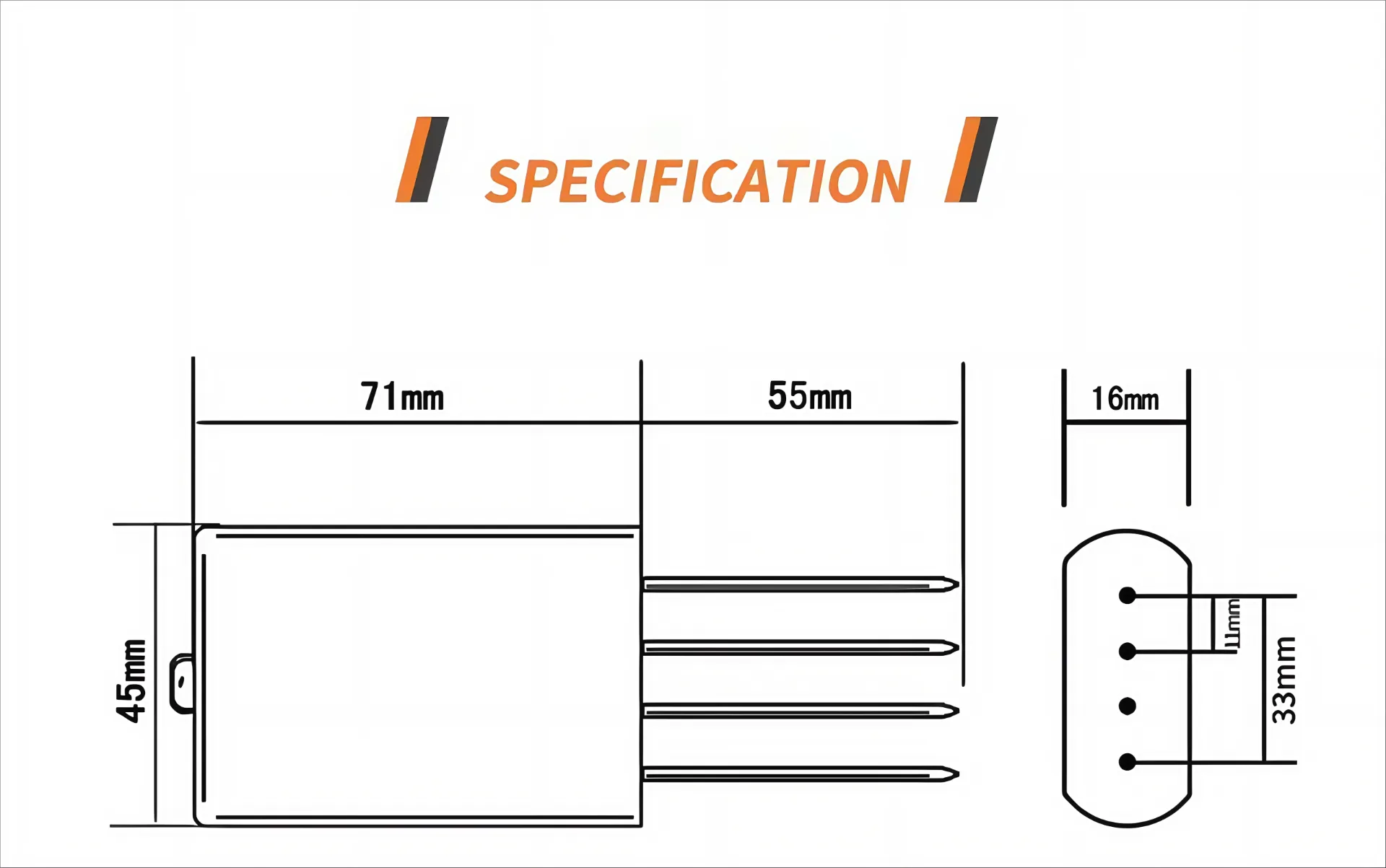
  • Form factor from miniaturized probe (Ø8mm) to robust industrial housing (Ø40mm)
  • Software tailormade for Modbus, LoRaWAN, NB-IoT, WiFi – ready for any smart network
  • OEM/ODM branding, project-tailored calibration & reporting
Delivery: Prototypes 15-21 days; Mass Production 25-40 days.
Warranty: 3 years standard, extendable to 5 years (inquire for upgrade).
Precision Soil Sensor with AI Analysis

Recent Customization Cases

Case 1: Smart Irrigation in Olive Groves, Spain
Challenge: High soil salinity, drought-prone climate
Solution: Deployment of 350+ networked Soil Sensor probes (RS485+LoRa) with high salinity detection and adaptive thresholding.
Benefit: 34% irrigation water savings, 13% yield increase in two harvests.
Quote (AgroCoop Eng.): “The robust build and accurate readings outperformed our previous sensors and enabled us to automate irrigation schedules with confidence.”
Case 2: Petrochemical Remediation, North America
Challenge: Hydrocarbon contamination, remote harsh environments
Solution: Customized explosion-proof (EX d) Soil Sensor, IP68, extended pH range (2–12), periodic Modbus RTU remote monitoring.
Benefit: Continuous regulation compliance, reduced manual soil sampling, 24/7 site coverage.
Quote (EnviroEng Corp.): “The custom EX sensors delivered precise results in challenging sites while standing up to extreme chemical exposure.”
Case 3: Municipal Park Greenery, Southeast Asia
Challenge: Typhoon/rainwater drainage management
Solution: Integration of real-time Soil Sensor moisture mapping with automated sprinklers via NB-IoT.
Benefit: Prevented 650+ man-hours of overwatering, improved grass coverage by 11%.

Application Scenarios: Unleashing Soil Sensor Advantages

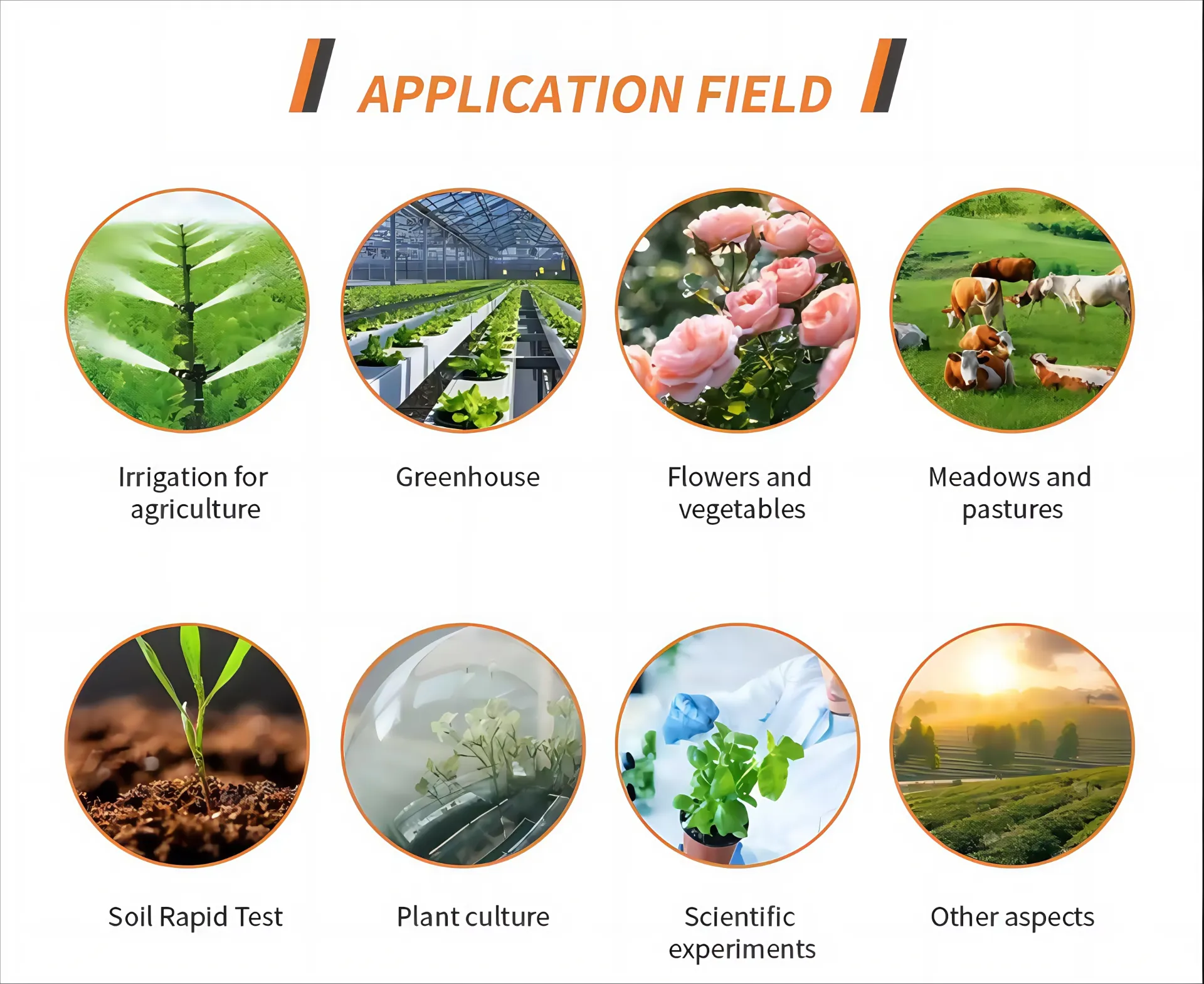
  • Agriculture: Precision irrigation, fertilizer optimization, drought management
  • Petrochemical: Soil remediation, leak/contamination monitoring, EX zone deployment
  • Water Management: Riverbank, floodplain, and urban stormwater soil health
  • Metallurgy: Tailings pond integrity, acid/alkali infiltration prevention
  • Environmental Engineering: Landfill, urban park, brownfield rehabilitation, landscaping
  • Smart Cities: ESG, green coverage statistics, public landscaping automation
  • Research: Universities, soil labs, government agencies
Precision Soil Sensor with AI Analysis
Technical Advantages in Field:
  • Ultra-low drift, stable readings in saline, acid, or heavy-clay soils
  • Zero-maintenance: No cleaning or recalibration for up to 2 years
  • Fast-response (
  • Ruggedized for -40°C frost to 80°C tropics
  • Plug-and-play, fully compatible with mainstream irrigation and SCADA systems
  • Conforms to FDA/ISO standards for safety-critical installations

Certifications, Authority & Service Pledge

Industry Certifications:
  • ISO 11277 Soil Quality (Texture & Moisture)
  • ANSI/ASABE S629 (Sensor Performance)
  • GB/T 22314 National Metrology
  • CE (EU EMC, LVD, RoHS directives)
  • Bureau Veritas, SGS, Intertek 3rd-party inspection available
Partners & Years of Service:
  • Over 1,500 enterprise clients across 46 countries
  • 10+ years proven field deployments in harsh industrial, commercial, and agricultural environments
  • Collaborations: Syngenta, Bayer Crop, FAO, Sinopec, State Grid, Local Water & Parks Departments

Expert FAQ: Soil Sensor Technology

1. What is the main difference between capacitive and resistive soil moisture measurement?
Capacitive Soil Sensor detects changes in soil dielectric permittivity, offering better accuracy and corrosion resistance. Resistive sensors use conductive plates and are more prone to drift due to soil impurities and electrolysis.
2. Why is 316L stainless steel preferred in probe manufacturing?
316L stainless steel exhibits superior anti-corrosive and anti-oxidation properties, essential for longevity in saline, alkaline, and wastewater-impacted soils, and is internationally recognized by ASTM and ISO materials standards.
3. What testing standards are used to ensure Soil Sensor reliability?
Comprehensive calibration and testing are conducted with reference to ISO 11277, GB/T 22314, ANSI/ASABE performance benchmark tests, and NIST-traceable calibration solutions to guarantee traceability and repeatability.
4. How should a Soil Sensor be installed for optimal performance?
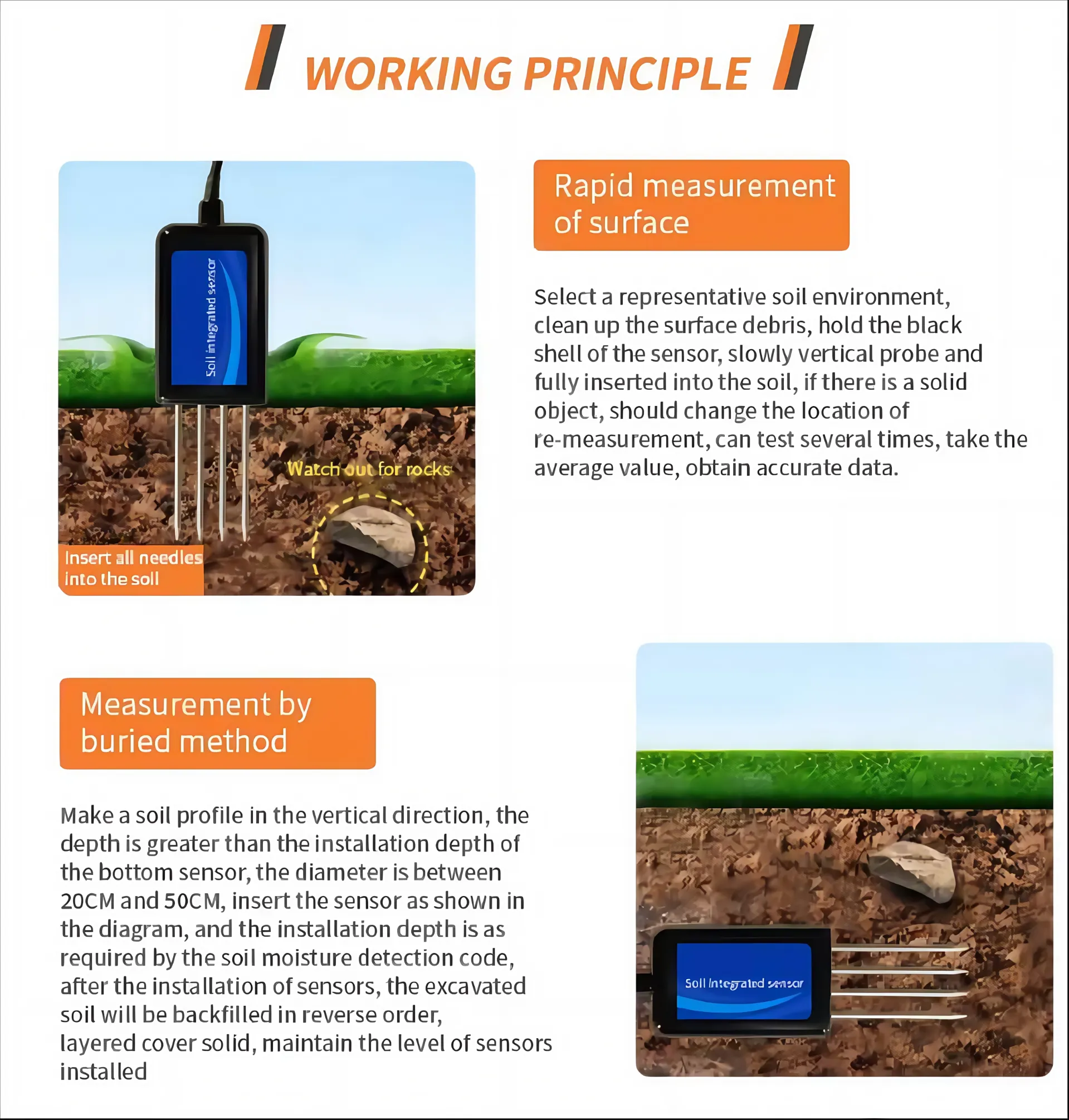
Install vertically, ensuring the probe is fully in contact with undisturbed soil, away from rocks and voids. Depth recommendation: 7–15cm for irrigation control, 20–60cm for field profiling. Use IP68-rated waterproof connectors for long-term outdoor deployment.
5. What output options are available for integration?
Soil Sensor supports RS485 (Modbus RTU), 4-20mA, 0-5V analog, as well as wireless LoRa, Zigbee, NB-IoT in advanced models, allowing straightforward integration with PLCs, SCADA, and IoT platforms.
6. How is long-term sensor drift minimized?
Advanced probe materials resist oxidation while fully potted electronics prevent moisture ingress. Periodic in-field “single-point” recalibration (every 24 months) is facilitated. Our multi-layer conformal coating meets MIL-STD-810F for added reliability.
7. What warranty and support are offered?
All Soil Sensor units come with 3-year standard warranty (optionally 5), lifetime technical support, and global on-site commissioning services. Sensors maintain calibration traceability record for 5+ years.

FAQ: Delivery, Warranty & Customer Support

  • Delivery time: Inventory models ship in 48 hours; custom models 15–40 days depending on complexity.
  • Quality warranty: Industry-best 3 years (5 optional); replacements/returns processed within 7 business days.
  • After-sales support: 24/7 technical hotline, remote diagnosis, on-site calibration & training worldwide.
  • Compliance: All shipments include full testing & QC certification. 3rd-party testing (SGS etc.) available.
  • Documentation: Complete LVD/EMC reports, RoHS, manual, and installation guide shipped with every device.
Precision Soil Sensor with AI Analysis

Reference & Further Reading

Related Products

swiper-button-prev
swiper-button-next
WS-9300/9350

WS-9300/9350

WS-9200/9250

WS-9200/9250

WS-9200/9250

WS-9200/9250

JIRS-803C

JIRS-803C

JIRS-803C3

JIRS-803C3

JIRS-803C4

JIRS-803C4

JIRS-803C5

JIRS-803C5

Soil Sensor

Soil Sensor

Related News

swiper-button-prev
swiper-button-next
Understanding and Utilizing Automatic Stormwater Samplers for Effective Water Quality Monitoring

2026-03-08 02:35:09

Understanding and Utilizing Automatic Stormwater Samplers for Effective Water Quality Monitoring

Effective stormwater management is crucial for protecting our waterways and complying with environmental regulations. A key component of this process is accurate and reliable stormwater sampling. Automatic stormwater samplers, offered by Water Equipment, are designed to collect representative samples of stormwater runoff, enabling precise analysis of pollutants. This article will explore the importance of these samplers, their various types, key features, applications, and how to choose the right one for your specific needs. Investing in a quality automatic stormwater sampler ensures accurate data collection and informed decision-making for environmental compliance. Manual stormwater sampling is time-consuming, labor-intensive, and prone to inconsistencies. Automatic samplers eliminate these drawbacks, providing a consistent and representative sample collection process. They are essential for meeting regulatory requirements, identifying pollution sources, and evaluating the effectiveness of stormwater management practices.

Comprehensive Guide to Auto Water Samplers for Accurate Water Quality Monitoring

2026-03-07 02:35:07

Comprehensive Guide to Auto Water Samplers for Accurate Water Quality Monitoring

In environmental monitoring, water quality analysis, and industrial processes, obtaining representative water samples is critical. Auto water samplers provide a reliable and efficient solution for collecting water samples automatically, reducing the need for manual intervention and minimizing the risk of contamination. This article will delve into the features, benefits, applications, and key considerations when selecting an auto water sampler. Whether you're involved in wastewater treatment, stormwater runoff monitoring, or scientific research, understanding these devices is essential. An auto water sampler, also known as an automatic water sampler, is a device designed to collect water samples at predetermined intervals or based on specific triggers, such as flow rate or water level. These samplers typically consist of a pump, a sample collection container (usually bottles), a control panel, and often, a flow meter or sensor. The control panel allows users to program sampling schedules, volume per sample, and other parameters.

Choosing the Right Portable Water Sampler for Accurate Environmental Analysis

2026-03-06 04:35:03

Choosing the Right Portable Water Sampler for Accurate Environmental Analysis

In environmental monitoring, research, and quality control, obtaining representative water samples is crucial for accurate analysis. A portable water sampler allows for convenient and reliable sample collection in the field, eliminating the need for on-site laboratories. This article will explore the benefits of using a portable water sampler, the factors to consider when choosing one, and the applications where they prove invaluable. Understanding your specific needs is the first step to selecting the ideal sampler for your operations. Traditional water sampling methods can be time-consuming and prone to contamination. A portable water sampler offers several advantages. It enables sampling from remote locations, minimizes sample degradation by reducing transit time, and provides greater control over the sampling process.

Comprehensive Guide to Portable Automatic Water Samplers for Accurate Data Collection

2026-03-05 02:35:08

Comprehensive Guide to Portable Automatic Water Samplers for Accurate Data Collection

In environmental monitoring and water quality analysis, accurate and reliable data collection is paramount. Portable automatic water samplers provide a crucial solution for collecting representative water samples at pre-programmed intervals, eliminating the need for constant manual intervention. This article delves into the features, benefits, applications, and key considerations when choosing a portable automatic water sampler. Whether you're monitoring wastewater discharge, assessing river pollution, or conducting research, selecting the right sampler is vital for obtaining dependable results. Automatic water samplers offer numerous advantages over traditional manual sampling methods. They provide consistent and representative samples, reducing the potential for human error and bias. The ability to program sampling schedules allows for capturing time-varying events, such as peak pollutant loads or diurnal fluctuations.

Comprehensive Guide to Water Depth Samplers and Their Applications

2026-03-04 02:55:19

Comprehensive Guide to Water Depth Samplers and Their Applications

Accurate water quality monitoring is crucial in various fields, from environmental science and aquaculture to industrial wastewater management. A key tool for this is the water depth sampler. This article provides an in-depth look at water depth samplers, their applications, types, and essential considerations for choosing the right one for your needs. We'll explore the benefits of utilizing this equipment to collect reliable data for analysis and informed decision-making. Selecting the right sampler can significantly improve the precision and efficiency of your water monitoring program. A water depth sampler, also known as a depth-integrated sampler, is a device designed to collect water samples from specific depths within a body of water. Unlike simply dipping a container into the water, a depth sampler allows for collection of a representative sample across a defined depth range. This is critical because water properties (temperature, salinity, pollutants) often vary significantly with depth. The data gathered with a water depth sampler provides a more accurate assessment of water quality than surface samples alone.

Comprehensive Guide to Horizontal Water Sampler Applications and Selection

2026-03-03 18:55:22

Comprehensive Guide to Horizontal Water Sampler Applications and Selection

Collecting water samples at varying depths is crucial for environmental monitoring, research, and quality control. The horizontal water sampler from Watequipment.com offers a precise and efficient solution for this task. This article provides an in-depth look at horizontal water samplers, their applications, benefits, and key considerations when choosing the right model. We will explore how these samplers contribute to accurate data collection and informed decision-making in various fields. A horizontal water sampler is a device designed to collect water samples from specific depths within a body of water – rivers, lakes, oceans, reservoirs, and even wastewater treatment plants. Unlike vertical samplers which primarily focus on depth, horizontal samplers prioritize collecting samples at a consistent depth while moving along a horizontal plane. This is essential for assessing water quality variations across a waterway or within a specific zone. They are used in applications ranging from environmental monitoring and scientific research to industrial process control and regulatory compliance.

Comprehensive Guide to Selecting the Right Surface Water Sampler for Your Needs

2026-02-28 02:35:09

Comprehensive Guide to Selecting the Right Surface Water Sampler for Your Needs

Monitoring the quality of surface water is critical for environmental protection, public health, and various industrial applications. A surface water sampler is an essential tool for collecting representative samples from rivers, lakes, ponds, and other surface water sources. This article provides a detailed overview of surface water samplers, their types, applications, and key considerations for selecting the right equipment. Accurate water quality data relies on proper sample collection, and choosing the correct sampler is the first step toward achieving reliable results. Surface water samplers come in various designs, each suited to specific sampling needs. Common types include grab samplers, depth-integrating samplers, peristaltic pumps, and automatic samplers. Surface water samplers are used across a broad spectrum of applications, including environmental monitoring, wastewater discharge monitoring, drinking water source monitoring, agricultural runoff analysis, and research studies.

Comprehensive Guide to Selecting the Best Water Testing Bottles for Accurate Results

2026-02-27 02:35:09

Comprehensive Guide to Selecting the Best Water Testing Bottles for Accurate Results

Maintaining water quality is critical for health, environmental protection, and various industrial processes. Accurate water testing relies heavily on the correct collection and storage of samples. This is where high-quality water testing bottles become essential. This article will explore the different types of water testing bottles, their applications, materials, and how to choose the right bottle for your specific needs. We'll cover everything from sample integrity to regulatory compliance, ensuring you have the knowledge to obtain reliable results. Water testing bottles aren't one-size-fits-all. They come in a variety of types designed for specific analytes and testing methods. Common types include Polypropylene (PP) Bottles, High-Density Polyethylene (HDPE) Bottles, Glass Bottles, Amber Glass Bottles, Sterile Bottles. The correct bottle type ensures the sample remains representative and accurate throughout the testing process. Choosing the wrong bottle can lead to inaccurate results and potentially costly errors.

If you are interested in our products, you can choose to leave your information here, and we will be in touch with you shortly.


en_USEnglish