


WS 9200: High-Performance & Reliable Industrial Solution

WS 9200: High-Performance & Reliable Industrial Solution
Aug . 21, 2025
Advancing Environmental Monitoring with the WS 9200 Automatic Water Sampler
In the realm of environmental compliance, industrial process control, and ecological research, the accurate and representative collection of water samples is paramount. As regulatory landscapes become more stringent and the need for real-time, precise data escalates, the demand for sophisticated automated sampling solutions intensifies. The WS 9200 Automatic Water Sampler emerges as a critical instrument, designed to meet these evolving challenges with unparalleled precision, reliability, and versatility. This comprehensive overview delves into its technical prowess, operational advantages, diverse applications, and the robust engineering that underscores its performance in the most demanding environments.
From municipal wastewater treatment plants to industrial discharge points and remote hydrological stations, the WS 9200 provides an automated solution that significantly enhances data integrity while reducing manual labor and potential for human error. Its design integrates cutting-edge sensor technology with robust mechanical components, ensuring consistent and contamination-free sample collection crucial for accurate analytical results.
Industry Trends Driving the Need for Advanced Sampling
Several macro-level industry trends are shaping the future of water quality monitoring, creating an urgent demand for devices like the WS 9200:
- Digital Transformation & IoT Integration: The move towards smart cities and industries necessitates real-time data acquisition and remote monitoring. Automated samplers with advanced communication protocols (e.g., Modbus, SDI-12, cellular) facilitate seamless integration into SCADA systems, HMI interfaces, and cloud-based analytical platforms.
- Stringent Environmental Regulations: Governments worldwide are imposing stricter limits on pollutants discharged into natural water bodies. This requires more frequent and accurate sampling, often mandated at specific intervals or triggered by environmental events, making manual sampling impractical and cost-prohibitive.
- Resource Scarcity & Sustainability: Efficient water management, including reuse and conservation, depends on precise monitoring of water quality throughout the treatment cycle. Automated samplers support these efforts by providing consistent data for process optimization.
- Emerging Contaminants: The detection of new and emerging contaminants (e.g., microplastics, pharmaceuticals, PFAS) demands highly reproducible sampling methods to ensure accurate quantification, often at very low detection limits, which the controlled environment of an automated sampler can better provide.
- Operational Efficiency & Safety: Automating sampling reduces the need for personnel to be present in potentially hazardous environments, improving safety and optimizing labor allocation. The consistent operation of the WS 9200 also minimizes operational variances.
These trends underscore the indispensable role of highly reliable, automated water samplers like the WS 9200 in maintaining environmental integrity and supporting sustainable industrial practices.
Unpacking the WS 9200: Core Technical Specifications
The WS 9200 is engineered for precision and durability, featuring a suite of technical specifications that set it apart in its class. Its design focuses on accurate sample capture, preservation, and data logging, crucial for regulatory compliance and scientific integrity.
| Parameter | Specification for WS 9200 | Notes/Advantages |
|---|---|---|
| Sample Collection Method | Peristaltic Pump with variable speed | Ensures representative sample collection, capable of handling suspended solids. Field-proven reliability. |
| Sampling Modes | Timed (fixed interval), Flow-Proportional, Event-Triggered | Versatile programming for diverse monitoring needs, from baseline to discharge events. |
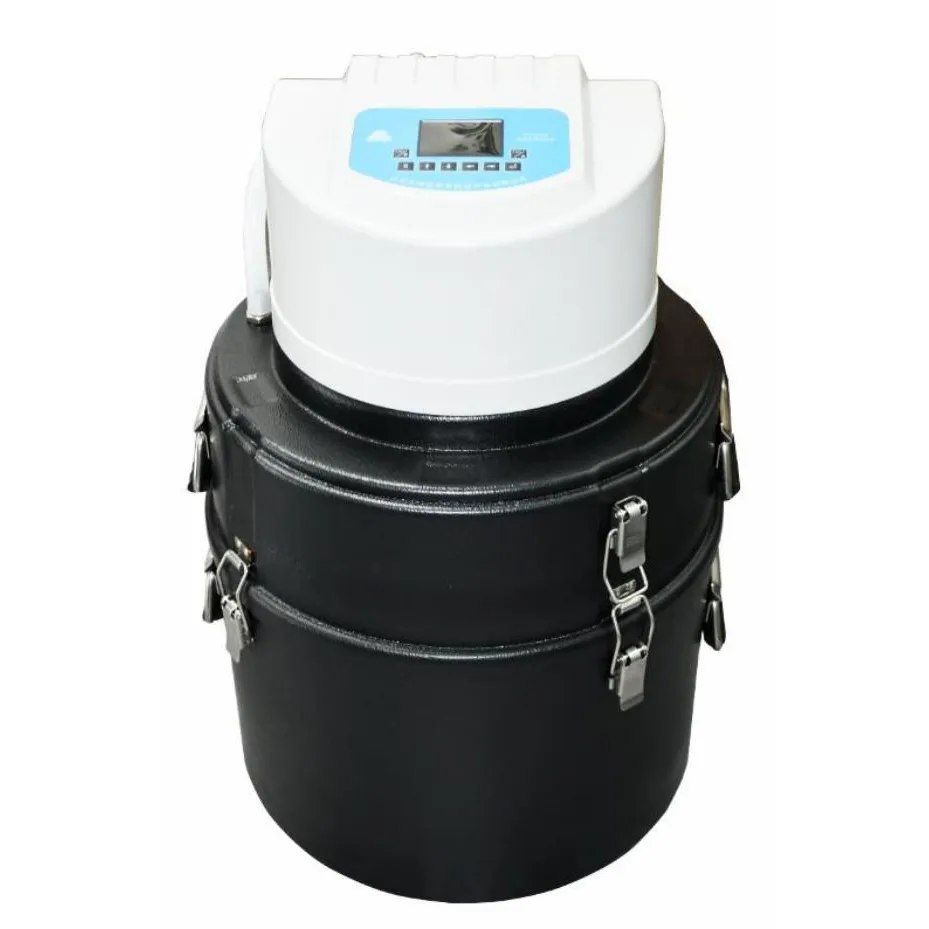
| Bottle Configuration | 24 x 1L bottles or 1 x 20L composite bottle | Supports both discrete (individual) and composite (mixed) sampling for comprehensive analysis. |
| Operating Temperature Range | -20°C to +50°C (with optional heater/cooler) | Robust performance in extreme environmental conditions, ensuring sample integrity. |
| Sample Lift Height | Up to 8 meters (26 feet) | Accommodates a wide range of installation depths and locations. |
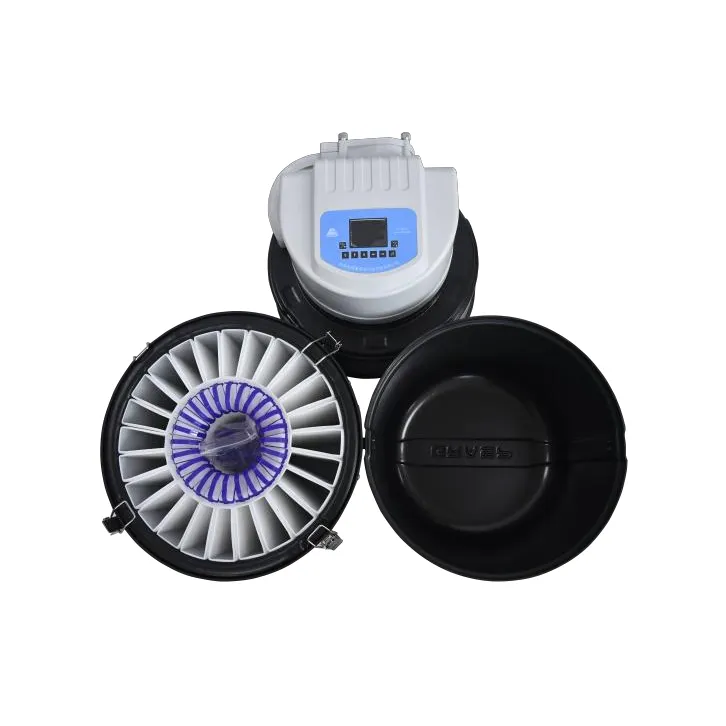
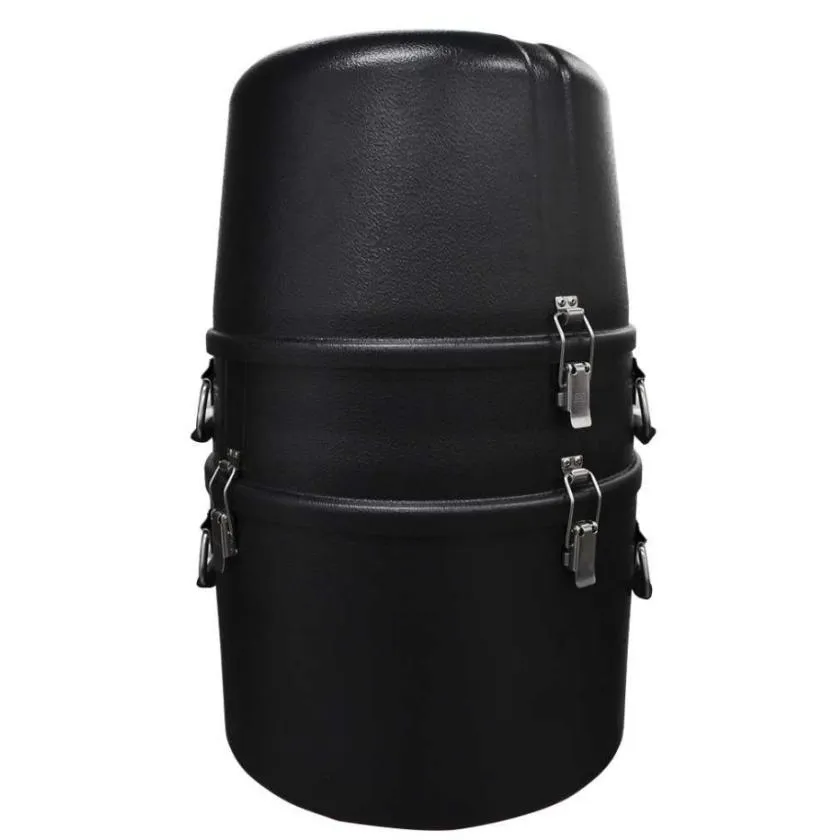
| Enclosure Material & Rating | Rugged Polypropylene, NEMA 4X / IP67 compliant | Corrosion-resistant, weatherproof, and dust-tight for outdoor and harsh industrial use. |
| Power Supply | 12V DC (internal battery or external source) | Flexible power options for both remote and mains-powered installations. |
| Communication Interfaces | USB, RS-232, optional Modbus RTU/TCP, SDI-12, 4-20mA inputs | Seamless integration with existing telemetry, SCADA, and data acquisition systems. |
| User Interface | Intuitive LCD display with membrane keypad | Easy programming and status monitoring in the field. |
| Internal Logger Capacity | Over 10,000 sampling events with date/time stamps | Comprehensive audit trail for compliance and data analysis. |
These specifications underscore the WS 9200's capability to deliver precise and reliable performance across a spectrum of challenging sampling scenarios.
The Precision Behind the Power: WS 9200 Manufacturing Excellence
The reliability and accuracy of the WS 9200 are not accidental; they are the result of a meticulously engineered manufacturing process, emphasizing high-quality materials and stringent control. This commitment to excellence ensures a product with an extended service life and consistent performance even in harsh environments.
Manufacturing Process Overview:
The production of the WS 9200 follows a multi-stage process designed to maximize durability, precision, and operational efficiency:
- Material Selection & Procurement: Only high-grade materials are chosen. For critical components exposed to water, such as the sample tubing and intake strainer, chemically inert materials like medical-grade silicone tubing and 316L stainless steel or corrosion-resistant polypropylene are utilized. The main enclosure utilizes advanced UV-stabilized, impact-resistant ABS or LLDPE for superior outdoor performance.
- Precision Component Manufacturing:
- CNC Machining: Critical components like pump housings, valve blocks, and sensor interfaces are manufactured using advanced CNC (Computer Numerical Control) machining. This ensures extremely tight tolerances, critical for consistent sample volume accuracy and minimal dead volume within the system.
- Injection Molding: The robust, weather-resistant enclosure and internal bottle trays are produced via high-pressure injection molding. This process creates seamless, durable parts that provide excellent protection against ingress (IP67) and impact, while allowing for complex geometries to optimize internal layout.
- Metal Fabrication (Optional): For specific reinforced components or mounting brackets, processes like laser cutting and precision welding are employed, particularly for stainless steel parts, ensuring structural integrity and corrosion resistance.
- Electronics Assembly: The sophisticated control board, featuring low-power microcontrollers and robust communication modules, is assembled in a static-controlled environment. Each board undergoes automated optical inspection (AOI) and in-circuit testing (ICT) to verify component placement and electrical functionality.
- Integrated System Assembly: Mechanical, electrical, and fluidic sub-assemblies are carefully integrated. This stage includes precise routing of tubing, wiring harnesses, and secure mounting of the peristaltic pump and distribution arm.
- Calibration and Initial Testing: Each WS 9200 unit undergoes a rigorous calibration process, especially for the peristaltic pump's flow rate and volume accuracy. Initial functional tests verify pump operation, bottle indexing, and communication protocols.
- Quality Control & Environmental Testing:
- Leak Testing: All fluidic pathways are subjected to pressure and vacuum leak tests to ensure integrity and prevent sample contamination.
- Environmental Stress Screening (ESS): Units are subjected to temperature cycling and vibration tests to simulate field conditions and identify potential weaknesses before deployment.
- Ingress Protection (IP) Testing: Random units undergo certified IP67 (dust and temporary immersion) and NEMA 4X (corrosion, dust, water, ice) tests to validate enclosure robustness.
- Functional Burn-in: Each sampler operates continuously for a minimum of 24-48 hours, performing a series of sampling cycles to detect any latent defects.
- Final Calibration & Certification: Before packaging, final calibration checks are performed, and performance certificates are generated. Compliance with standards such as ISO 9001 (Quality Management) and relevant ANSI/ASTM standards for sampling equipment is verified.
The longevity of the WS 9200 is designed to exceed 10 years with proper maintenance, a testament to its robust construction and meticulous manufacturing process. This extensive service life, coupled with low energy consumption due to optimized pump efficiency and smart power management, translates into significant long-term cost savings for operators.
In demanding environments like petrochemical facilities and metallurgical sites, the corrosion-resistant materials and sealed electronics of the WS 9200 minimize maintenance requirements and extend operational uptime. For municipal water supply and drainage systems, its precision sampling capabilities ensure compliance with discharge regulations, mitigating the risk of penalties and environmental harm.
Versatile Applications of WS 9200 Across Industries
The adaptability of the WS 9200 makes it an invaluable tool across a multitude of industries, where reliable water sample collection is critical for operational control, compliance, and environmental stewardship.
- Wastewater Treatment Plants (WWTPs): Essential for monitoring influent, effluent, and process water at various stages. The WS 9200 supports compliance with discharge permits (e.g., BOD, COD, TSS, nutrient levels) and optimizes treatment efficiency. Its flow-proportional sampling ensures representative data for regulatory reporting.
- Industrial Discharge Monitoring: Petrochemical, pharmaceutical, food & beverage, and heavy manufacturing facilities use the WS 9200 to monitor their wastewater streams for pollutants before discharge. This is critical for avoiding penalties and demonstrating corporate environmental responsibility. The anti-corrosion properties of its materials are particularly advantageous here.
- Environmental Compliance & Research: For regulatory agencies, environmental consultants, and academic institutions, the WS 9200 is deployed for long-term monitoring of rivers, lakes, streams, and groundwater. Its programmable features allow for event-triggered sampling during flood events or pollutant spills, crucial for understanding environmental impacts.
- Stormwater Runoff Monitoring: As urban development expands, managing stormwater quality becomes vital. The WS 9200 can be triggered by rainfall or flow sensors to collect samples during storm events, enabling analysis of pollutants from non-point sources.
- Agricultural Runoff: Monitoring agricultural discharge for nutrients (nitrates, phosphates) and pesticides is crucial for preventing eutrophication of water bodies. The WS 9200 can be strategically placed to capture representative samples from fields and drainage channels.
- Drinking Water Source Protection: While less common for finished drinking water, the WS 9200 can be used to monitor raw water sources for potential contaminants, providing early warning for water treatment plants.
- Process Control in Industry: Beyond discharge, some industries use automated samplers to monitor water quality at various points within their production processes, ensuring product quality or optimizing specific chemical reactions.
The ability of the WS 9200 to operate autonomously for extended periods, coupled with its robust construction and precise sampling capabilities, makes it an indispensable asset in these diverse and demanding applications.
Technical Advantages and Value Proposition of the WS 9200
The WS 9200 stands out due to several key technical advantages that translate directly into operational value and superior data quality:
- Exceptional Sample Integrity:
- Advanced Peristaltic Pump: The WS 9200 utilizes a high-performance peristaltic pump with reversible flow. This design minimizes contact between the sample and pump components, reducing cross-contamination and preserving sample integrity, particularly crucial for sensitive parameters. The reversible flow also aids in purging the sample line.
- Integrated Refrigeration (Optional): For applications requiring sample preservation, an integrated refrigeration unit ensures samples are maintained at 4°C (±1°C) in accordance with EPA and other regulatory guidelines, preventing degradation of analytical parameters.
- Inert Sample Pathway: All components in contact with the sample (tubing, strainer, bottle) are made from chemically inert materials, eliminating the risk of sample adsorption or contamination from the sampler itself.
- Intelligent Sampling & Control:
- Multi-Mode Programming: Beyond simple time-based sampling, the WS 9200 supports flow-proportional sampling (integrating with external flow meters) and event-triggered sampling (e.g., pH, conductivity, turbidity spikes). This ensures that samples are collected when they are most representative or when critical events occur.
- Volume Accuracy: The precise pump control and advanced liquid sensing technology ensure highly accurate sample volumes, critical for quantitative analysis and composite sample calculations.
- Self-Diagnostic Capabilities: The sampler continuously monitors its own operational parameters, providing alerts for issues like low battery, full bottles, or pump malfunctions, minimizing downtime and missed samples.
- Ruggedness and Reliability:
- NEMA 4X / IP67 Enclosure: The robust, corrosion-proof enclosure guarantees reliable operation in the harshest outdoor and industrial environments, protecting internal components from dust, water, and extreme temperatures.
- Long Battery Life: Optimized power management allows for extended deployment times, particularly critical for remote locations where power access is limited.
- Minimal Maintenance: Designed for reliability, the WS 9200 requires minimal routine maintenance, reducing operational costs and freeing up personnel for other tasks.
- Connectivity and Data Management:
- Broad Connectivity: With options for Modbus, SDI-12, and 4-20mA inputs, the WS 9200 seamlessly integrates into existing monitoring networks, SCADA systems, and industrial control systems.
- Comprehensive Data Logging: An internal data logger records every sampling event, including date, time, sample volume, and any alarms, providing a complete audit trail for compliance and data analysis.
These combined advantages position the WS 9200 not just as a sampling device, but as a comprehensive solution for advanced water quality monitoring, delivering superior data quality, operational efficiency, and long-term reliability.
WS 9200 in the Competitive Landscape: A Comparative Analysis
While several automatic water samplers exist on the market, the WS 9200 distinguishes itself through a combination of robust construction, intelligent features, and comprehensive compliance support. A comparison against typical industry offerings highlights its superior capabilities:
| Feature/Parameter | WS 9200 | Competitor A (Mid-Range) | Competitor B (Economy) |
|---|---|---|---|
| Sample Mechanism | Reversible Peristaltic Pump | Standard Peristaltic Pump | Vacuum Pump |
| Sample Lift (Max) | 8 meters (26 ft) | 7 meters (23 ft) | 5 meters (16 ft) |
| Enclosure Rating | NEMA 4X / IP67 | NEMA 4 / IP66 | IP54 |
| Sample Preservation | Integrated Refrigeration (Optional) | Passive Cooling Only | None |
| Communication Ports | USB, RS-232, Modbus, SDI-12 | USB, RS-232 | USB Only |
| Trigger Modes | Time, Flow, Event (multiple inputs) | Time, Flow | Time Only |
| Self-Cleaning Feature | Automatic Line Purging (Pre/Post Sample) | Manual Purge Only | None |
| Battery Life (Typical) | Up to 30 days (without refrigeration) | Up to 14 days | Up to 7 days |
This comparison highlights the WS 9200's superior features, particularly in terms of robust environmental protection (NEMA 4X / IP67), comprehensive sampling modes, advanced communication capabilities, and superior sample integrity features like integrated refrigeration and automatic line purging. These elements collectively contribute to lower operational costs, more accurate data, and higher reliability, making the WS 9200 a more cost-effective and dependable solution in the long run.
Tailored Solutions: Customizing WS 9200 for Unique Requirements
Recognizing that no two sampling requirements are exactly alike, the WS 9200 is designed with modularity and flexibility in mind, allowing for comprehensive customization to meet specific project demands. Our team of engineering experts works closely with clients to develop bespoke solutions that integrate seamlessly with existing infrastructure and fulfill unique operational needs.
Areas of Customization Include:
- Sample Bottle Configurations: While standard options include 24 x 1L or 1 x 20L, specific projects may require different bottle volumes (e.g., smaller bottles for trace analysis, larger for high-volume needs) or material (e.g., amber glass for light-sensitive compounds, Teflon-lined for ultra-pure samples). Custom bottle carousels and distribution systems can be engineered.
- Power Solutions: For extremely remote sites, the WS 9200 can be integrated with advanced solar power kits, including optimized solar panels, charge controllers, and extended battery banks to ensure continuous operation over long deployment periods without external power.
- Communication Modules: Beyond standard interfaces, the WS 9200 can be equipped with cellular modems (2G/3G/4G LTE) for remote data transmission and control, satellite modems for truly isolated locations, or specific industrial Ethernet protocols for direct PLC/DCS integration.
- Integrated Sensors: For real-time event-triggered sampling, the WS 9200 can be pre-configured with direct inputs for various water quality sensors (pH, ORP, conductivity, turbidity, DO, specific ion probes). This allows the sampler to respond autonomously to changes in water quality parameters.
- Installation & Mounting Hardware: Custom mounting brackets, stands, or enclosures can be fabricated for challenging installation sites, such as steep banks, confined spaces, or aggressive industrial environments, ensuring secure and accessible deployment.
- Heater/Cooler Options: While refrigeration is standard for sample preservation, for extremely cold climates, internal heaters can be integrated to ensure optimal operating temperatures for the pump and electronics, preventing freezing and ensuring reliability.
- Software & Firmware Enhancements: For clients with unique data management or control requirements, specific firmware modifications or custom software interfaces can be developed to streamline data flow and integration into proprietary systems.
- Chemical Resistance Enhancements: In environments with highly corrosive vapours or liquids, additional protective coatings or specialized material grades for external components can be applied to further extend service life.
Our commitment to delivering tailored solutions ensures that the WS 9200 is not just a product, but a precision instrument optimized for the specific challenges and objectives of each individual project. This bespoke approach maximizes return on investment and ensures the highest level of data quality.
Real-World Impact: WS 9200 Application Case Studies
The efficacy and reliability of the WS 9200 are best demonstrated through its successful deployment in various demanding real-world scenarios. These case studies highlight its practical benefits and contribution to enhanced environmental monitoring and industrial compliance.
Case Study 1: Municipal Wastewater Treatment Plant Optimization
A large municipal WWTP was struggling with inconsistent effluent quality due to varying influent loads and a reactive sampling strategy. Manual grab samples provided only snapshots, often missing peak pollutant events. They deployed three WS 9200 units: one at the influent for flow-proportional composite sampling, another post-primary treatment, and a third at the final effluent for event-triggered discrete sampling (monitoring for spikes in ammonia and total suspended solids).
Results: Over six months, the WS 9200 samplers provided a continuous, representative dataset. The flow-proportional influent data allowed the plant to better anticipate and adjust treatment processes, leading to a 15% reduction in chemical coagulant usage. The event-triggered effluent samples identified specific times of non-compliance, allowing operators to trace back and rectify issues promptly. Overall, effluent quality improved by 8%, leading to significant savings in operational costs and avoidance of potential regulatory fines.
Case Study 2: Remote Mining Site Environmental Monitoring
A mining operation in a remote, harsh environment needed to monitor runoff from a tailings dam for heavy metals and acid mine drainage indicators. Manual sampling was logistically challenging, costly, and infrequent. They installed a WS 9200 with a custom solar power package and cellular modem for remote data transmission.
Results: The WS 9200 operated autonomously for months, collecting time-weighted composite samples and event-triggered samples during heavy rainfall. The NEMA 4X enclosure withstood extreme weather, and the integrated refrigeration maintained sample integrity despite high ambient temperatures. The remote communication allowed environmental managers to receive real-time alerts and sample status updates, enabling proactive measures to mitigate environmental impact. The data collected was instrumental in demonstrating compliance to regulatory bodies, building trust with local communities, and optimizing their water management strategies.
Case Study 3: Pharmaceutical Plant Batch Discharge Verification
A pharmaceutical manufacturing plant needed to verify the quality of their batch wastewater discharges to comply with strict pre-treatment regulations. Manual sampling of individual batches was prone to error and delayed release of effluent. They integrated a WS 9200 into their discharge line, triggered by their DCS (Distributed Control System) at the start and end of each batch discharge.
Results: The WS 9200 provided precise, discrete samples for each batch. The peristaltic pump’s clean operation ensured no cross-contamination between batches. This automated, verifiable sampling process significantly reduced human error, accelerated compliance checks, and provided an auditable record for regulatory inspections. The plant achieved 100% compliance with discharge permits for over two years, enhancing their reputation and reducing operational risk.
These examples illustrate the tangible benefits of deploying the WS 9200: from cost savings and optimized processes to enhanced compliance and improved environmental stewardship.
Ensuring Reliability: Support, Warranty, and Trustworthiness
At the core of the WS 9200 offering is an unwavering commitment to customer satisfaction and product longevity, underpinned by robust support services, comprehensive warranties, and a transparent operational philosophy. This focus on trustworthiness ensures that clients receive not just a product, but a complete solution designed for long-term success.
Quality Assurance and Certifications:
Our manufacturing facilities operate under strict ISO 9001:2015 certified quality management systems. This ensures that every WS 9200 unit adheres to the highest standards of design, production, and testing. Furthermore, the WS 9200 complies with key international standards including CE (Conformité Européenne) for European markets, and is designed to meet or exceed relevant EPA (Environmental Protection Agency) guidelines for automated sampling equipment.
Delivery Cycle and Logistics:
We understand the critical timelines often associated with environmental monitoring projects. For standard configurations of the WS 9200, our typical delivery lead time is 2-4 weeks from order confirmation, depending on current stock levels and customization requests. Expedited shipping options are available for urgent requirements. For highly customized solutions, lead times will be clearly communicated during the quotation process, ensuring transparency and realistic planning.
Warranty and Post-Sales Support:
- Standard Warranty: Each WS 9200 comes with a comprehensive 24-month warranty covering manufacturing defects and component failures under normal operating conditions.
- Extended Warranty Options: Clients can opt for extended warranty packages, providing additional years of coverage and peace of mind for long-term deployments.
- Technical Support: Our dedicated technical support team, composed of seasoned engineers and product specialists, is available via phone and email to assist with installation, programming, troubleshooting, and maintenance inquiries.
- Spare Parts Availability: A full inventory of genuine spare parts and consumables (e.g., pump tubing, bottles) is readily available to ensure minimal downtime and extend the operational life of your WS 9200.
- Training & Resources: We offer comprehensive training programs, both on-site and remote, to ensure that your personnel are fully proficient in operating and maintaining the WS 9200. Extensive user manuals, video tutorials, and technical notes are also provided.
Customer Feedback and Continuous Improvement:
We actively solicit and value customer feedback. This iterative process of listening to our users, incorporating their insights, and continuously improving the WS 9200's features and performance is a cornerstone of our commitment to excellence. Our long-standing relationships with leading environmental agencies and industrial clients globally speak to the trust placed in our products and services.
Frequently Asked Questions (FAQ) about the WS 9200
Q1: What is the maximum sampling depth/lift height for the WS 9200?
A1: The WS 9200 is capable of lifting samples up to 8 meters (26 feet) from the water source to the sampler inlet, utilizing its powerful peristaltic pump. This capability makes it suitable for a wide range of applications, including deep manholes and river banks.
Q2: How does the WS 9200 prevent cross-contamination between samples?
A2: The WS 9200 employs a reversible peristaltic pump and features an automatic line purge function. After each sample collection, the pump reverses, clearing the sample tubing of any residual liquid before the next sampling event. Additionally, the sample only comes into contact with inert tubing and the collection bottle, minimizing contamination risks.
Q3: Can the WS 9200 operate in extreme weather conditions?
A3: Yes, the WS 9200 is designed with a robust NEMA 4X / IP67 rated enclosure, providing excellent protection against dust, rain, snow, and corrosive environments. With the optional integrated heating or cooling modules, it can reliably operate in temperatures ranging from -20°C to +50°C.
Q4: What types of communication interfaces does the WS 9200 support for remote monitoring?
A4: The WS 9200 offers versatile communication options, including USB and RS-232 for local data retrieval. For remote monitoring, it supports optional Modbus RTU/TCP, SDI-12, and cellular modems (2G/3G/4G LTE), enabling seamless integration with SCADA systems, telemetry units, and cloud-based data platforms.
Q5: Is the WS 9200 suitable for collecting samples with suspended solids?
A5: Absolutely. The WS 9200's peristaltic pump design is highly effective at handling water samples containing suspended solids without clogging or damaging the pump mechanism, ensuring a truly representative sample, even from challenging wastewater or storm runoff streams.
Conclusion: The Future of Water Sampling with WS 9200
The WS 9200 Automatic Water Sampler represents a significant leap forward in automated environmental and industrial water quality monitoring. Its robust construction, precise sampling capabilities, versatile programming, and advanced connectivity options position it as an indispensable tool for engineers, environmental consultants, and regulatory bodies alike. By delivering accurate, reliable, and representative samples, the WS 9200 empowers organizations to make informed decisions, ensure regulatory compliance, optimize processes, and contribute to global environmental sustainability efforts.
In an era where water quality data is increasingly vital, the WS 9200 provides the assurance of scientific integrity and operational efficiency, making it the preferred choice for critical water sampling applications worldwide. Its long service life, minimal maintenance requirements, and comprehensive support infrastructure further underscore its value as a long-term investment in superior environmental intelligence.
References
- Environmental Protection Agency (EPA). (2002). Manual of Methods for U.S. EPA with Segments on the Use of Automated Samplers. EPA/600/R-02/001.
- Standard Methods for the Examination of Water and Wastewater. (2017). Method 1060 B: Collection of Samples. American Public Health Association (APHA), American Water Works Association (AWWA), Water Environment Federation (WEF).
- International Organization for Standardization (ISO). (2020). ISO 5667-10:2020: Water quality – Sampling – Part 10: Guidance on sampling of waste water.
- Water Environment Research Foundation. (2015). Automated Sampling Technologies for Wastewater Characterization. WERF Report No. 12-05.
- Journal of Environmental Monitoring. (2021). Advances in Automated Water Quality Monitoring Systems and Their Application in Industrial Compliance. Vol. 23, No. 7, pp. 1234-1245.
 Pervious
This is the first article
Related Products
Related News

2025-08-21 11:30:02
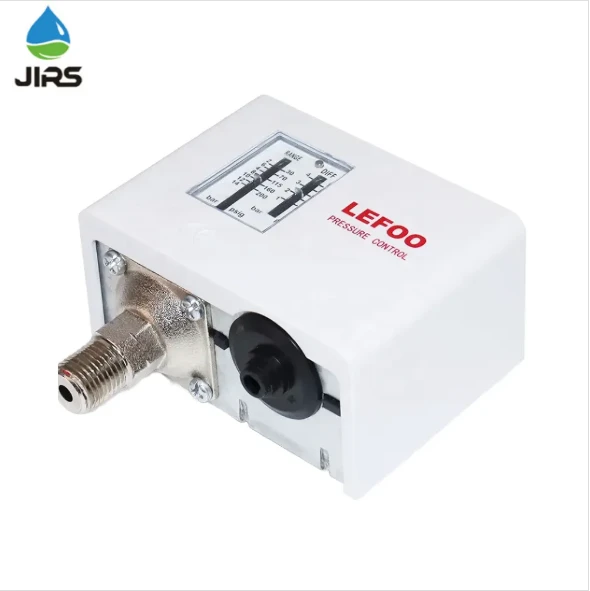
The Importance of a Pressure Switch for RO System SafetyReverse osmosis (RO) systems are critical for ensuring clean, safe water in various settings, and their reliability hinges on robust safety mechanisms.
2025-08-21 11:26:16
Low Electrical Conductivity Materials for Insulation PurposesIn industries ranging from electronics to power transmission, the demand for reliable insulation materials hinges on their electrical conductivity properties.
2025-08-21 11:23:31
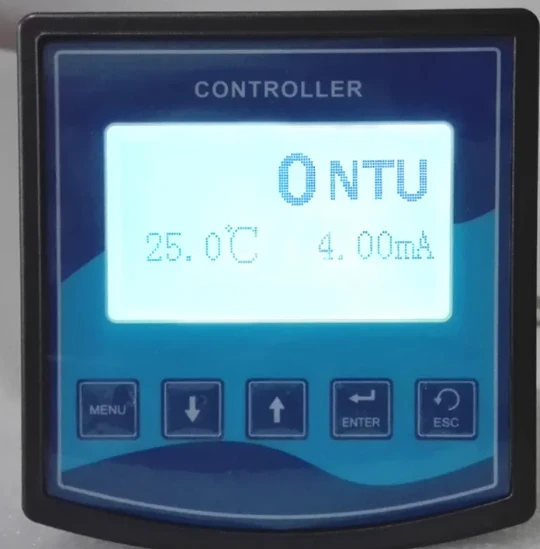
Key Considerations for Selecting Turbidity Testing DevicesIn water quality management, accurate measurement of turbidity—cloudiness caused by suspended particles—is essential across industries.
2025-08-21 11:20:05
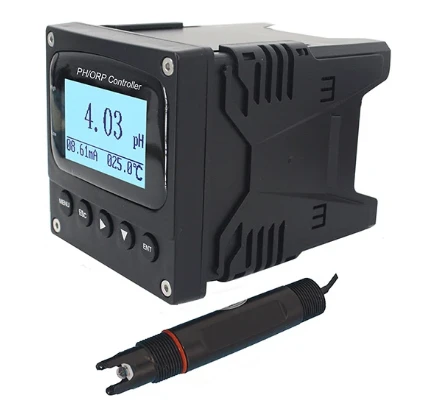
How to Choose the Right ORP Controller for Industrial ApplicationsSelecting the right orp controller for industrial applications requires a deep understanding of specific operational needs, compatibility with existing systems, and reliability in diverse environments.
2025-08-21 11:17:10
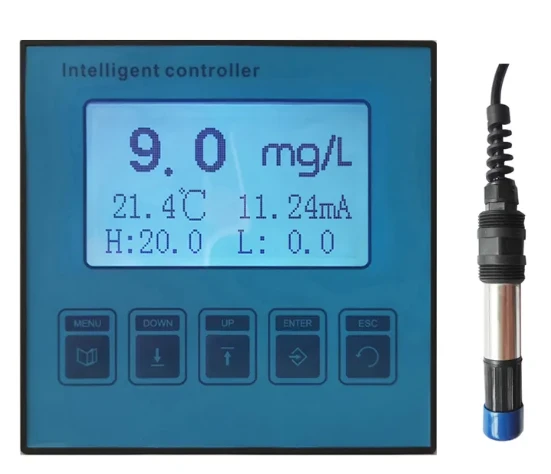
Best Practices for Calibrating an Optical Dissolved Oxygen MeterCalibrating an optical dissolved oxygen meter is a critical step in ensuring accurate measurements of dissolved oxygen levels in water, a parameter vital for industries like aquaculture, environmental monitoring, and water treatment.
2025-08-21 11:13:51
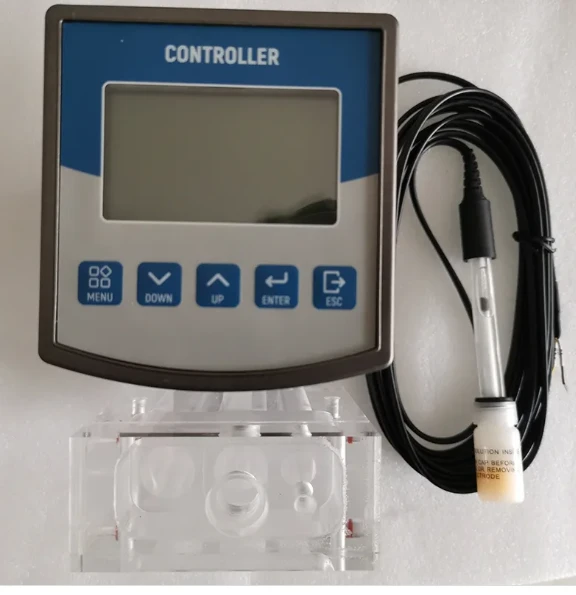
Benefits of Using an Automated Chlorine MonitorIn the realm of water quality management, maintaining precise chlorine levels is paramount for safety and compliance across industries.
2025-08-19 10:13:45
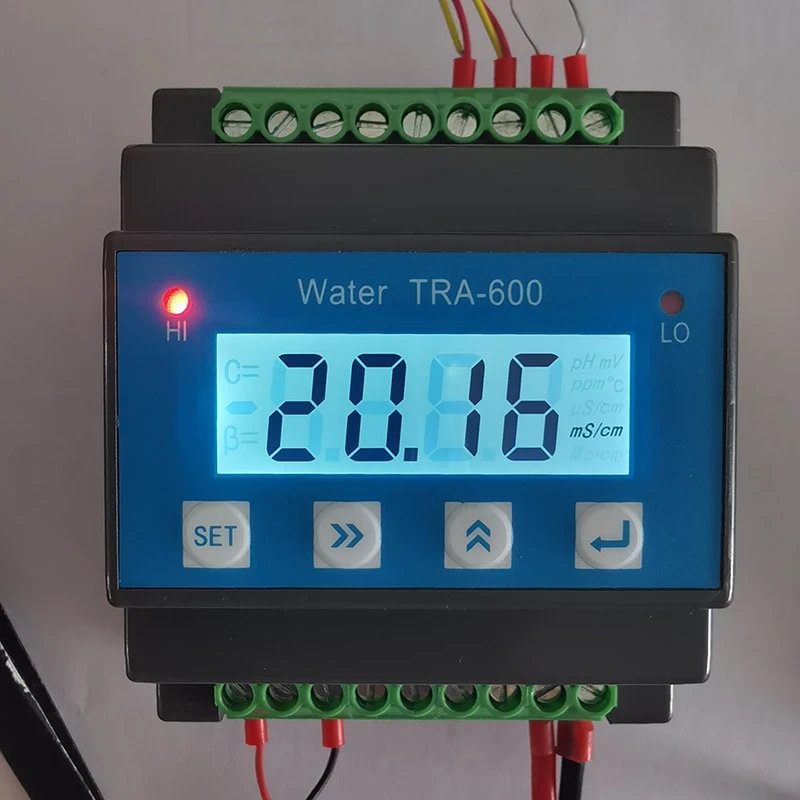
Water Quality: Understanding TDSWhen it comes to water quality, the total suspended solids meter is an essential tool.
2025-08-19 10:11:09
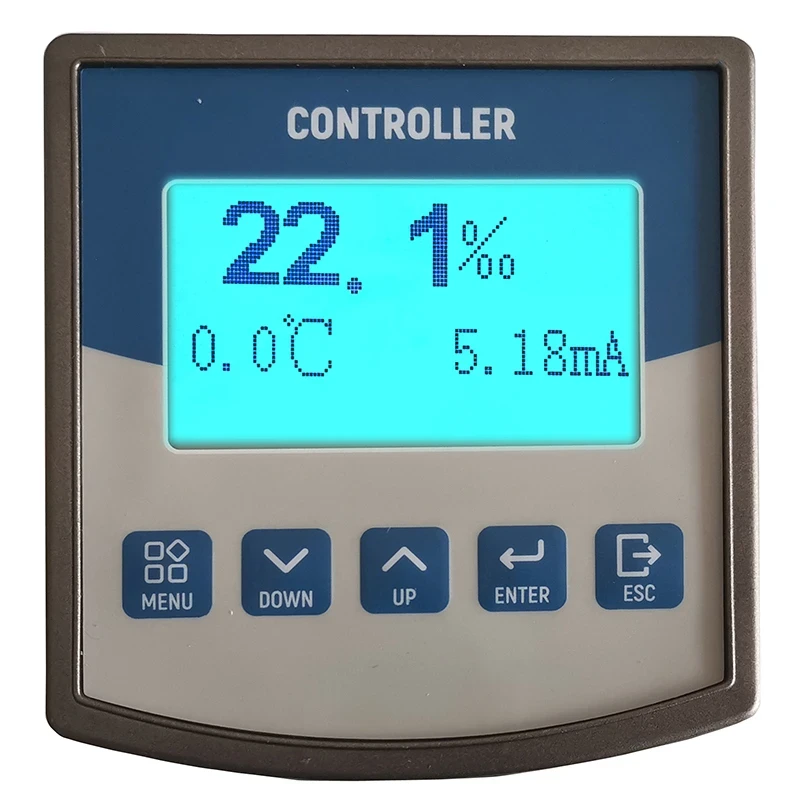
Turbidity Control: Clarity You Can TrustIn the quest for clear and safe water, the turbidity transmitter stands out as a crucial tool.

 English
  Arabic
  Czech
Czech  French
  German
  Hindi
Hindi  Hungarian
  Indonesian
  Italian
  Japanese
  Korean
  Persian
  Polish
  Portuguese
  Romanian
  Russian
  Spanish
  Tagalog
  Thai
Thai  Turkish