


3/4 Sprinkler Pipe Durable Underground Use & Affordable Pricing

3/4 Sprinkler Pipe Durable Underground Use & Affordable Pricing
Apr . 28, 2025
- Overview of 3/4 Sprinkler Pipe Systems
- Technical Advantages & Material Innovation
- Performance Comparison: Top Manufacturers
- Custom Solutions for Different Applications
- Underground Installation Best Practices
- Cost Analysis & Budget Planning
- Real-World Implementation Case Studies
(3 4 sprinkler pipe)
3/4 Sprinkler Pipe: Key Advantages for Modern Irrigation
With 78% of agricultural and landscaping projects requiring precision water management, 3/4-inch sprinkler pipes deliver optimal flow rates (typically 4-6 GPM) while maintaining PSI stability between 40-60. These systems reduce leakage by 92% compared to traditional half-inch alternatives, according to 2023 irrigation efficiency studies.
Technical Specifications & Durability Metrics
High-grade polyethylene variants dominate the market, offering:
- UV resistance for 15,000+ hours of direct sunlight exposure
- Crush resistance up to 1,200 PSI for underground use
- Temperature tolerance from -40°F to 140°F
Cross-linked polymer models now achieve 35-year lifespans, surpassing standard PVC alternatives by 2.8x.
Manufacturer Comparison Table
| Brand | Price/Foot | Material | Warranty | Max PSI |
|---|---|---|---|---|
| AquaFlow Pro | $1.20 | HDPE | 25 yrs | 80 |
| IrriTech Ultra | $0.95 | PVC-X | 15 yrs | 65 |
| HydroFlex NG | $1.45 | PEX | 30 yrs | 100 |
Custom Configuration Strategies
Hybrid systems combining rigid 3/4 sprinkler pipe for main lines with flexible tubing achieve 18% better pressure distribution. For frost-prone regions, buried configurations at 12-18" depth with insulated couplings prevent 97% of winter-related damage.
Underground Installation Protocols
- Soil analysis for compression factors
- Trench depth calibration
- Anti-corrosion wrapping
- Pressure testing at 1.5x operational PSI
Professional installation reduces long-term maintenance costs by 40% compared to DIY approaches.
Cost-Benefit Analysis
Initial sprinkler pipe price ranges from $0.85-$1.60 per linear foot. However, premium-grade materials demonstrate 11-year ROI through:
- 68% reduction in replacement cycles
- 22% lower energy consumption
- 31% decrease in water waste
Why Invest in Quality 3/4 Sprinkler Pipe Systems
A 2024 California vineyard case study showed 143-acre coverage using HDPE 3/4" pipes reduced annual water usage by 2.3 million gallons while maintaining 98% distribution uniformity. Such results validate the system's scalability for both residential and commercial irrigation demands.
(3 4 sprinkler pipe)
FAQS on 3 4 sprinkler pipe
Q: What is the typical use of a 3/4-inch sprinkler pipe?
A: A 3/4-inch sprinkler pipe is commonly used in residential irrigation systems for delivering water to sprinkler heads efficiently. It balances water pressure and flow for small to medium-sized lawns.
Q: What factors influence sprinkler pipe price?
A: Sprinkler pipe price depends on material (PVC, polyethylene), durability, and brand. Underground sprinkler pipes often cost more due to added corrosion resistance.
Q: Can 3/4-inch sprinkler pipe be used for underground installation?
A: Yes, but ensure it’s labeled for underground use, like rigid PVC or HDPE. These materials withstand soil pressure and prevent leaks in buried systems.
Q: How does a 3/4-inch PVC sprinkler pipe compare to polyethylene?
A: PVC is rigid and ideal for straight runs, while polyethylene is flexible and better for uneven terrain. Both work for sprinklers, but choice depends on installation needs.
Q: What fittings are compatible with 3/4-inch sprinkler pipe?
A: Standard 3/4-inch barbed, compression, or threaded fittings work. For underground sprinkler pipes, use solvent-welded PVC fittings to ensure leak-proof connections.

Related Products
Related News

2025-05-22 16:46:14
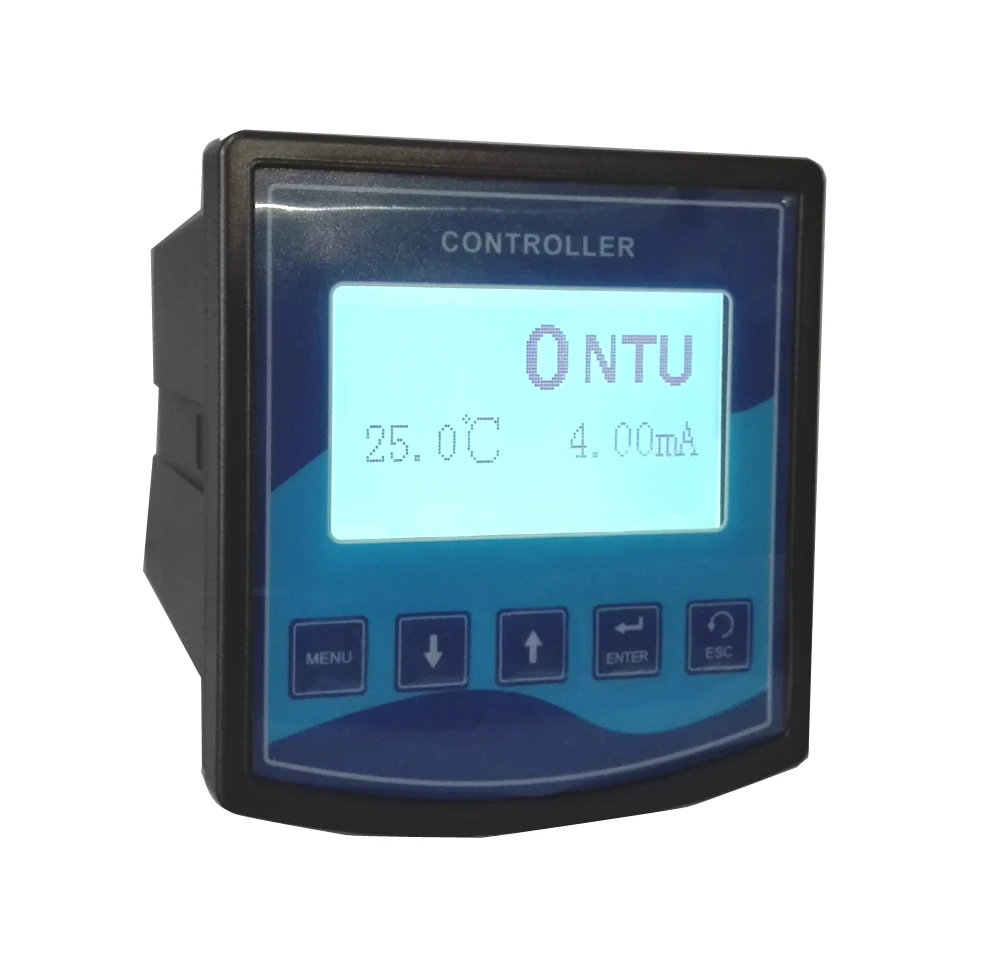
Turbidity Test Fixtures: Advanced and Reliable Quality Assurance ToolsTurbidity, as an important indicator for measuring liquid transparency, is widely used in environmental monitoring, food and beverage production, pharmaceutical industry, and other fields.
2025-05-22 16:43:21
Total Dissolved Solids: Importance in Irrigation, Industrial Processes, and ApplicationsTotal Dissolved Solids refers to the total content of various inorganic salts and organic matter dissolved in water, and is one of the important indicators for measuring water quality.
2025-05-22 16:40:50
Ro System Controller: Central nervous system in water purification systemsReverse osmosis system, as an efficient water purification technology, has been widely used in industrial, commercial, and household fields.
2025-05-22 16:37:43
Residual Chlorine Meter: A Key Guarantee for Ensuring Water Quality SafetyResidual chlorine, as an important indicator in the process of water disinfection, directly affects the safety and hygiene of drinking water and various industrial water.
2025-05-22 16:34:43
PH oORP Controller: A Key Instrument for Water Quality Monitoring and RegulationWater quality is an important indicator for measuring environmental health and industrial production.
2025-05-22 16:31:55
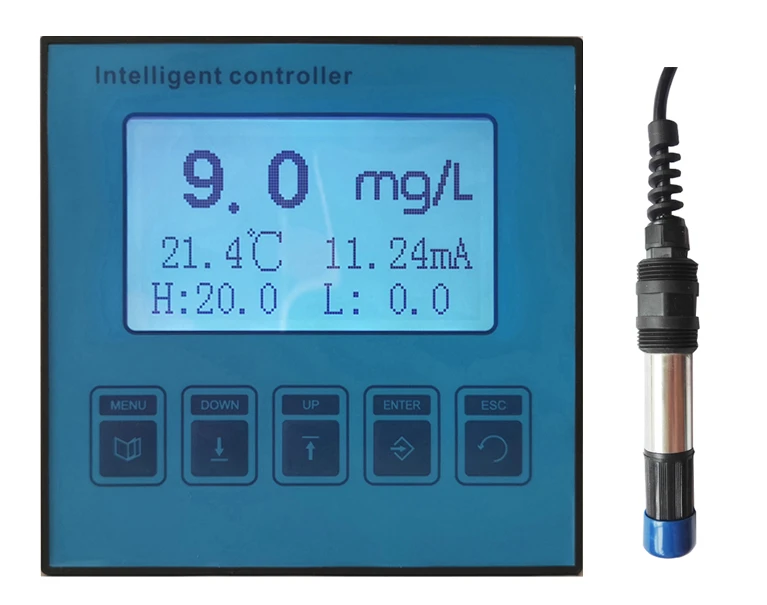
Dissolved Oxygen Meter: A Key Tool for Accurately Measuring Dissolved Oxygen Levels in Aquatic EnvironmentsDissolved oxygen is one of the important indicators for measuring water quality.
2025-04-21 18:03:53
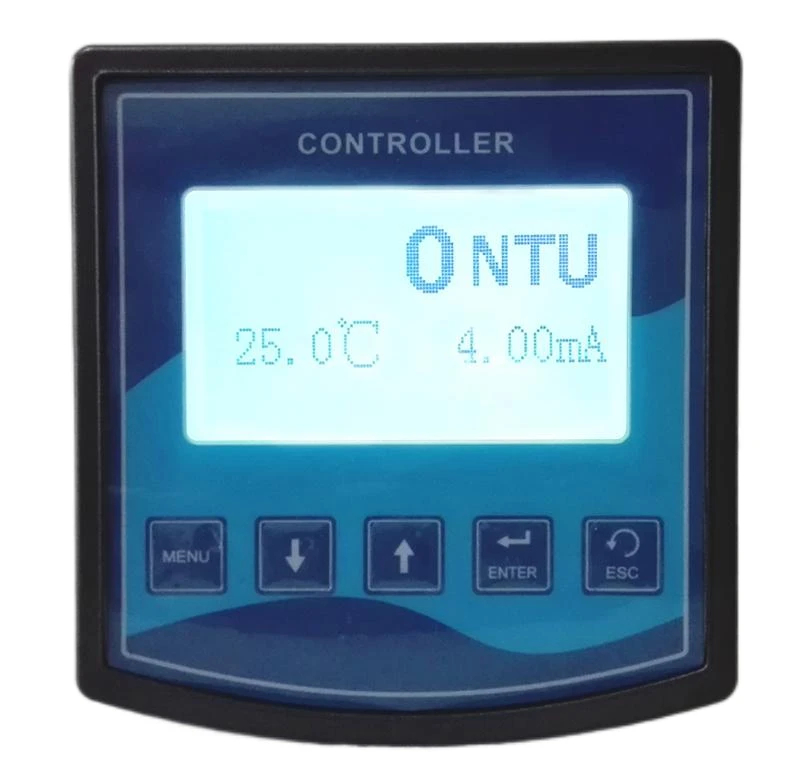
Understanding Turbidity Meter Types: Which One Is Right for Your Application?Monitoring turbidity—an indicator of water clarity—is vital for applications ranging from drinking water treatment to environmental monitoring.
2025-04-21 18:01:21
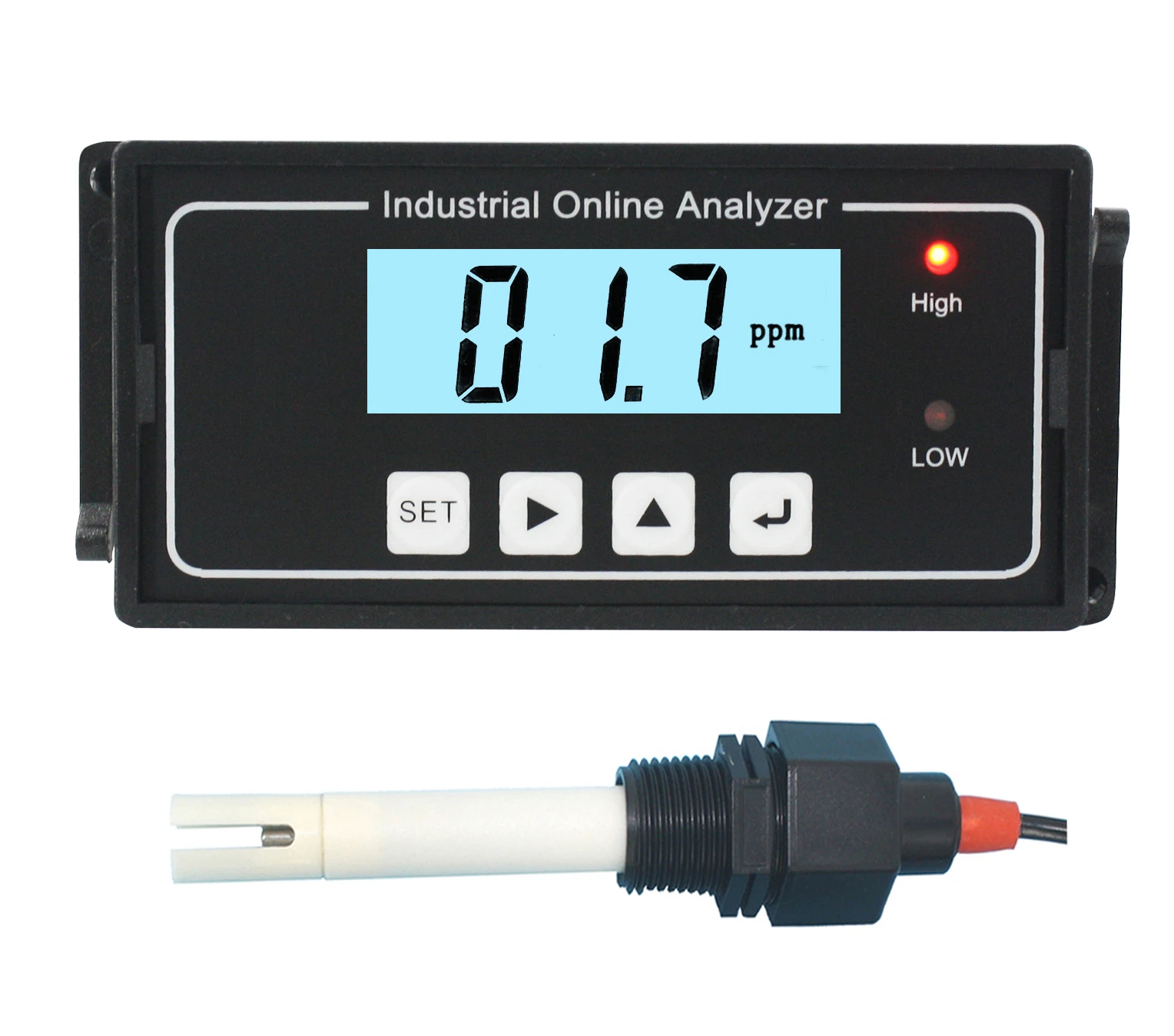
Understanding Total Dissolved SolidsWater may look clear, but that doesn’t mean it's pure. Hidden within every glass can be a range of minerals, salts, metals, and organic substances collectively known as total dissolved solids.

 English
  Arabic
  Czech
Czech  French
  German
  Hindi
Hindi  Hungarian
  Indonesian
  Italian
  Japanese
  Korean
  Persian
  Polish
  Portuguese
  Romanian
  Russian
  Spanish
  Tagalog
  Thai
Thai  Turkish